The filter is doing its job — the system is telling you something
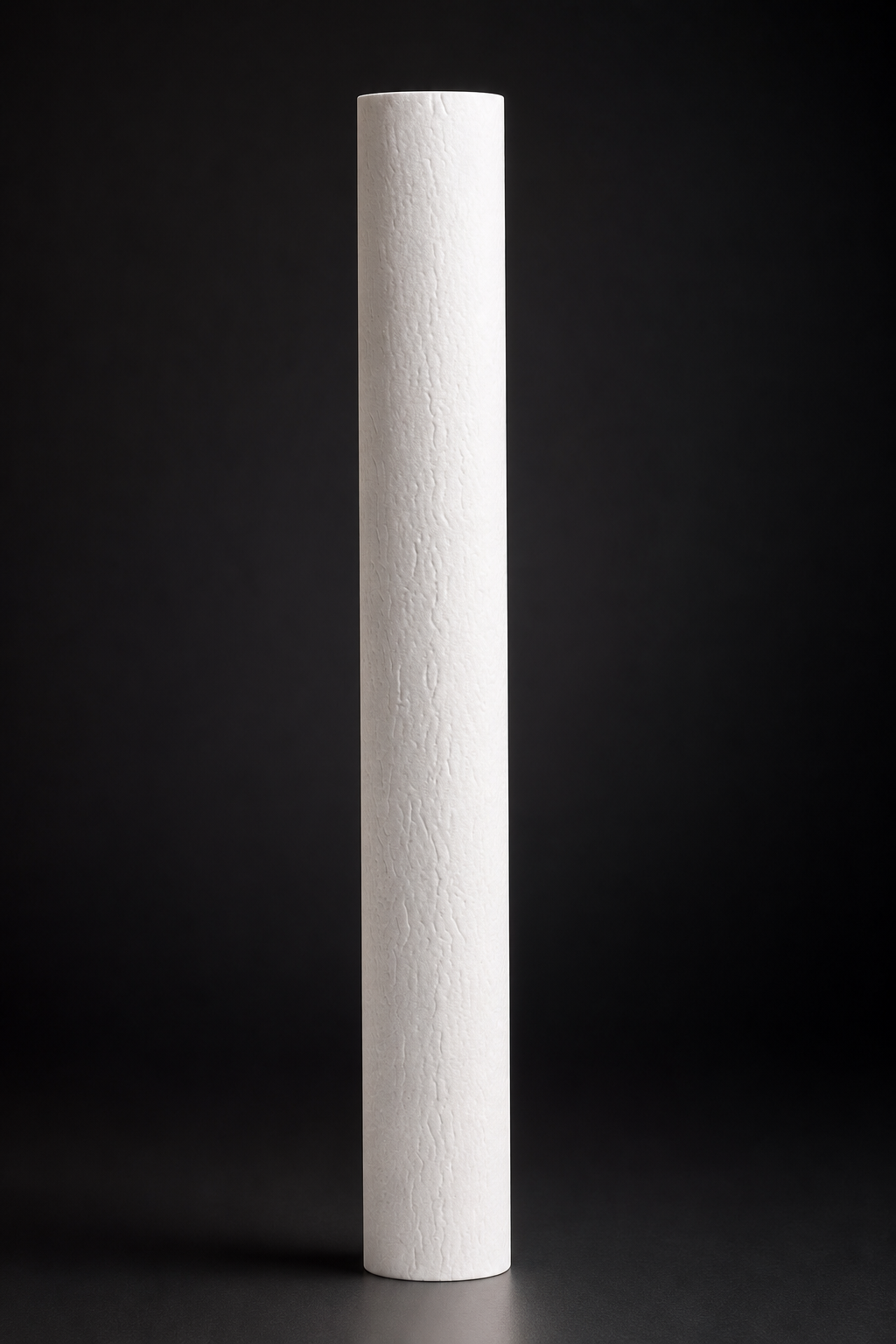
When a filter element blocks prematurely, the instinct is to blame the element. But in the vast majority of cases, the element is doing exactly what it should — capturing contamination. The real question is: why is there so much more contamination than expected?
Here are nine causes to check systematically. Work through them in order — the most common causes come first.
Cause 1: Wrong element grade
Too fine for the contamination
A Grade HE element (0.01 µm rated) installed where a Grade ST (1 µm) would suffice captures far more fine particulate than necessary, loading the media rapidly. Check: Is the element grade matched to the actual filtration requirement — or was the finest available grade selected “for safety”?
Cause 2: Undersized housing
Too small for the flow
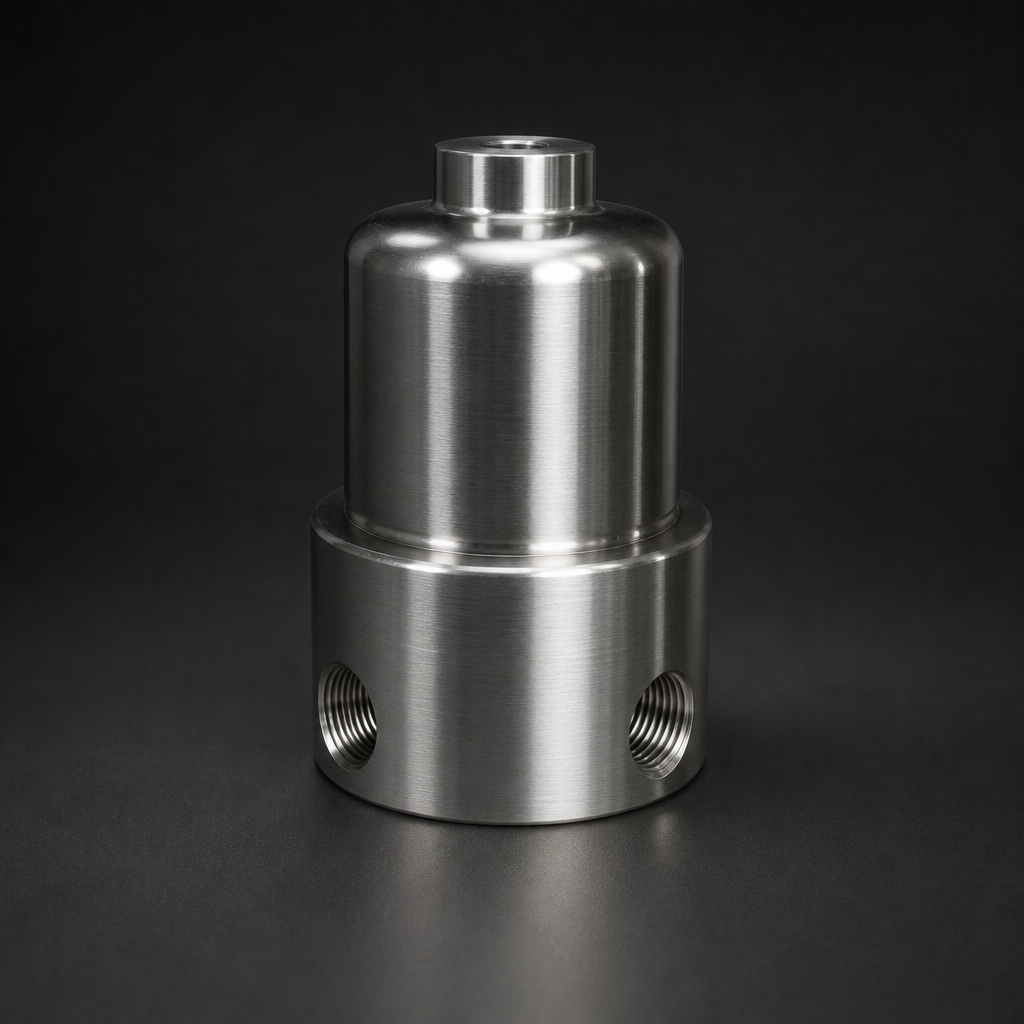
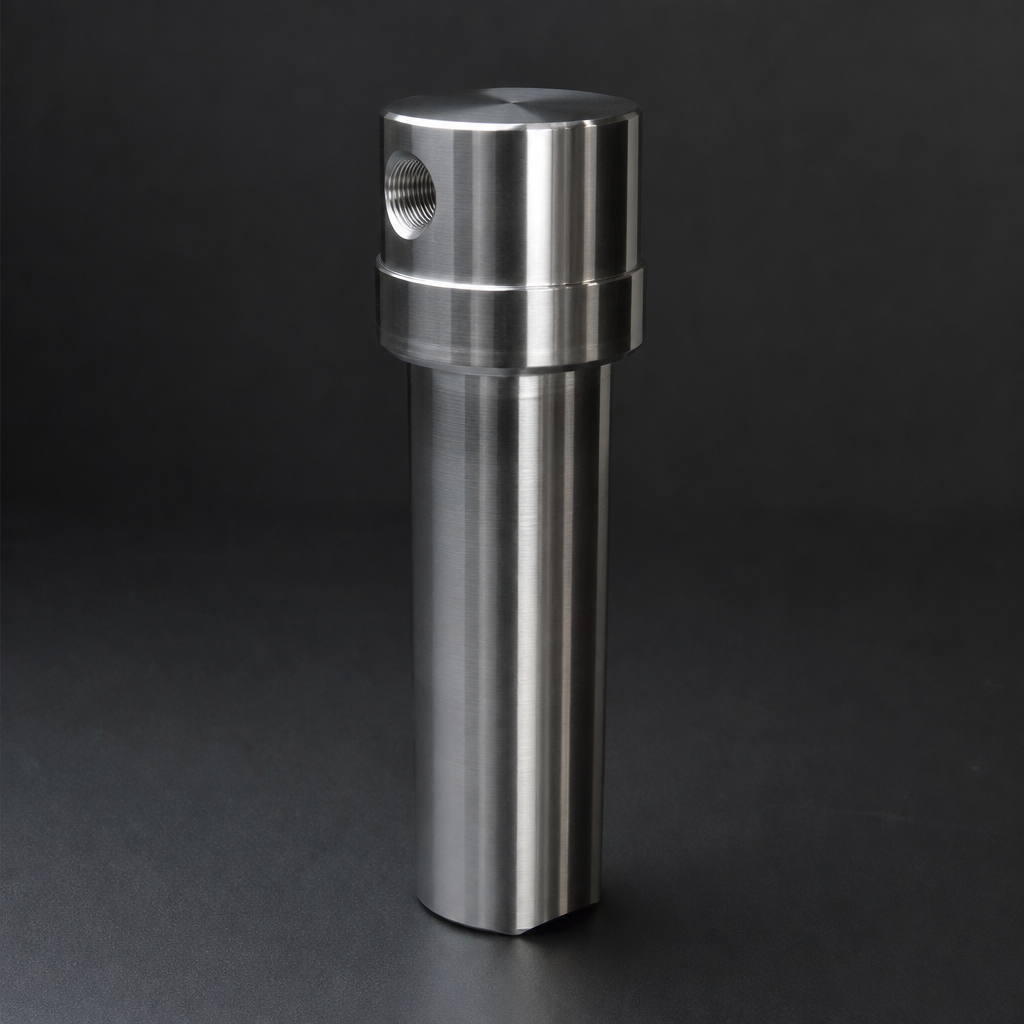
An undersized housing forces gas through the element at higher velocity, compacting particulate into the media more aggressively and reducing dirt-holding capacity. Check: Compare your actual flow rate against the housing’s rated capacity. If you are above 80% of rating, the housing is likely undersized.
Cause 3: Upstream contamination increase
Something changed upstream
A failing compressor seal, corroding piping, or maintenance work upstream introduces additional contamination the filter was not designed to handle. Check: Has anything changed recently — compressor service, piping modifications, new process conditions? Inspect the removed element: heavy dark discolouration suggests pipe corrosion; oil saturation points to compressor problems.
Cause 4: Missing pre-filter
No first line of defence
High-efficiency elements are designed for fine contamination. Bulk debris — rust, scale, weld spatter — should be removed by a coarse pre-filter upstream. Without one, the fine element bears the full contamination load. Fix: Install a Grade PF or ST particulate pre-filter upstream.
Cause 5: Condensate flooding
Liquid in the gas stream
Liquid water or oil flooding a filter element saturates the media instantly. Coalescing elements can handle aerosol, but not bulk liquid slugs. Check: Is the drain functioning? Is the upstream separator working? Are temperature drops causing unexpected condensation?
Cause 6: Temperature fluctuations
Thermal cycling creates condensate
Large temperature swings (night/day, seasonal, process cycles) cause water and hydrocarbon vapour to condense and re-evaporate, repeatedly loading the filter with liquid. Check: Does the problem correlate with temperature changes? Consider adding a drain with timer or float to handle periodic condensate.
Cause 7: System transients and surges
Start-up and load changes
System start-ups, compressor load/unload cycles, and sudden demand changes create contamination spikes that exceed steady-state conditions. Accumulated condensate in receivers and dead legs is pushed through the system. Check: Does blockage timing correlate with system start/stop events?
Cause 8: Element quality
Non-equivalent replacement elements
Not all filter elements with the same dimensions perform equally. Inferior media, poor construction, or incorrect ratings can result in elements that block faster — or worse, pass contamination while appearing to be working. Check: Have you recently changed element suppliers? Compare performance data and construction quality.
Cause 9: Installation errors
Reversed flow or poor sealing
An element installed backwards (reversed flow direction) or with a damaged seal allows contamination to bypass the element and deposit in unexpected locations. Check: Verify the flow arrow on the housing matches the actual flow direction. Inspect element seals for damage or misalignment.
Systematic troubleshooting approach
Record the data
Note element ΔP at installation, time to replacement, and operating conditions. Compare against previous elements to establish whether life is genuinely shorter.
Inspect the used element
The contaminant on the element tells the story: black/brown = corrosion particles, oil-wet = liquid carry-over, grey/fine = normal loading, uneven = flow issues.
Check upstream
Walk the system upstream from the filter. Check separators, drains, compressor condition, piping state. Look for recent changes or maintenance.
Verify the sizing
Confirm housing capacity vs. actual flow. If the system has grown since original installation, the filter may now be undersized.
Key Takeaway
Premature filter blockage is almost never a filter problem — it is a system problem. The element is capturing contamination that should not be there, or handling more flow than it was sized for. Systematic diagnosis — element inspection, upstream checks, and sizing verification — almost always identifies the root cause.
Is your filter undersized? Check in 2 minutes.
Enter your actual flow rate and conditions in the Engineering Tool. If the recommended housing is larger than what you have, undersizing is likely the cause.