Kaeser compressors are a fixture in European industrial facilities — reliable, well-engineered, and widely installed. But when it comes time to replace the filter elements inside a Kaeser compressed air system, many maintenance engineers discover that the OEM elements are supplied by Mann+Hummel, one of the world's largest filtration manufacturers. This creates a common question: can you cross-reference Mann+Hummel filter elements to a quality alternative without compromising performance or voiding service agreements?
The short answer is yes — and this guide explains exactly how to do it, with direct cross-references to R+F FilterElements coalescing and particulate elements that meet or exceed OEM specifications.
Why Kaeser Systems Use Mann+Hummel Elements
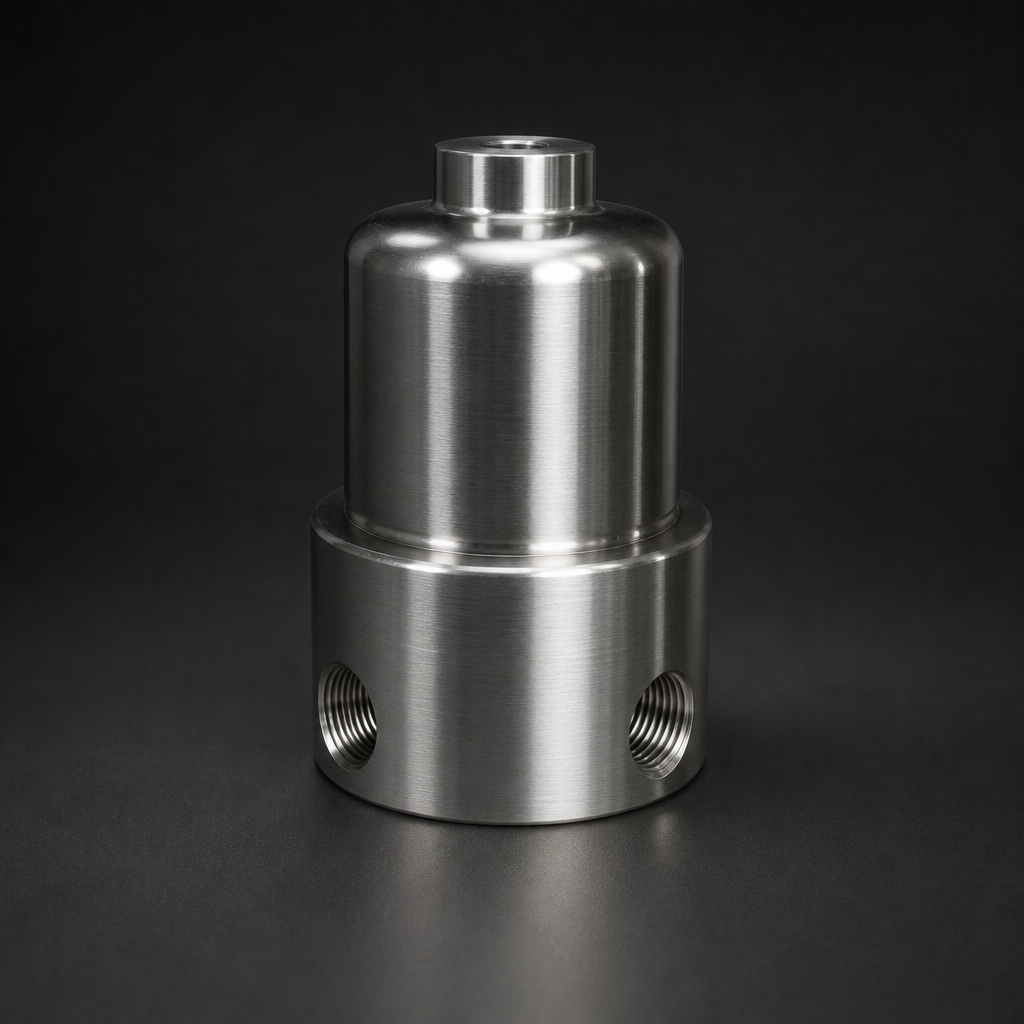
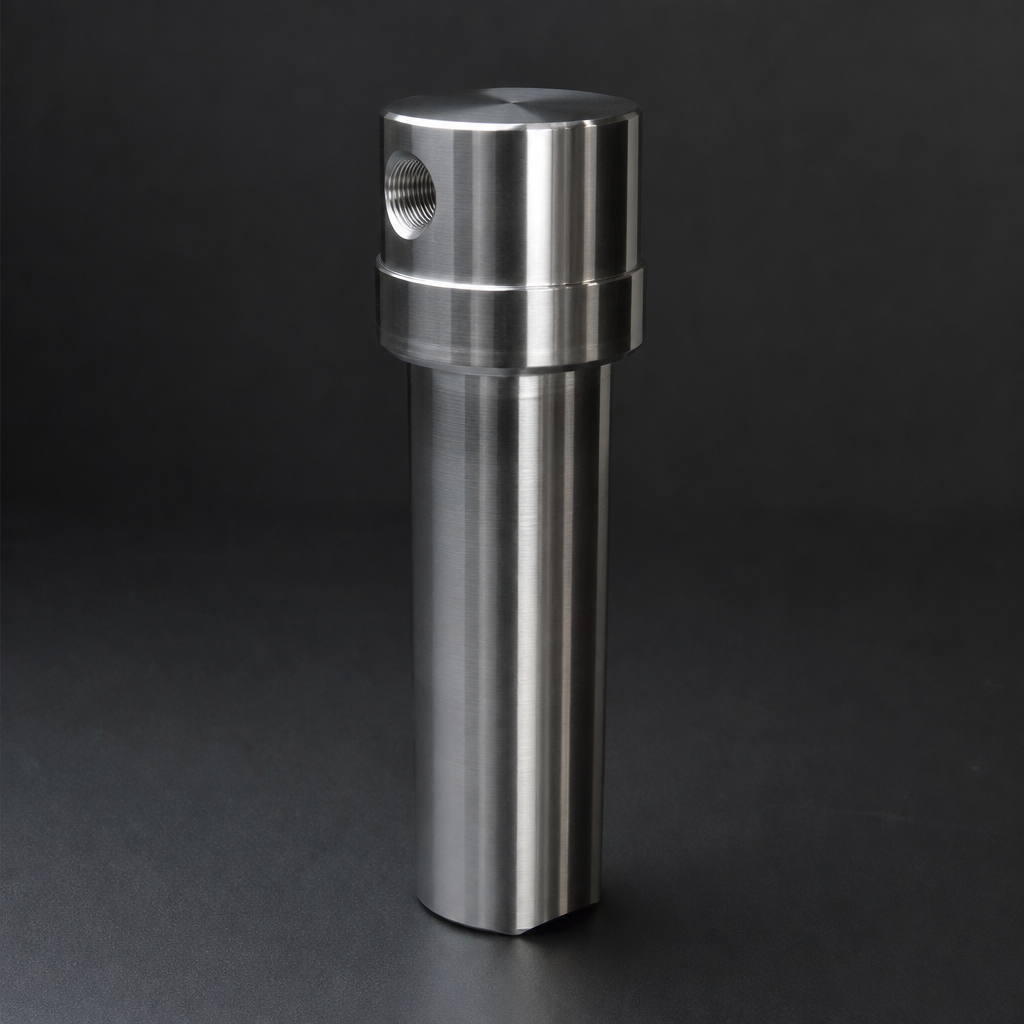
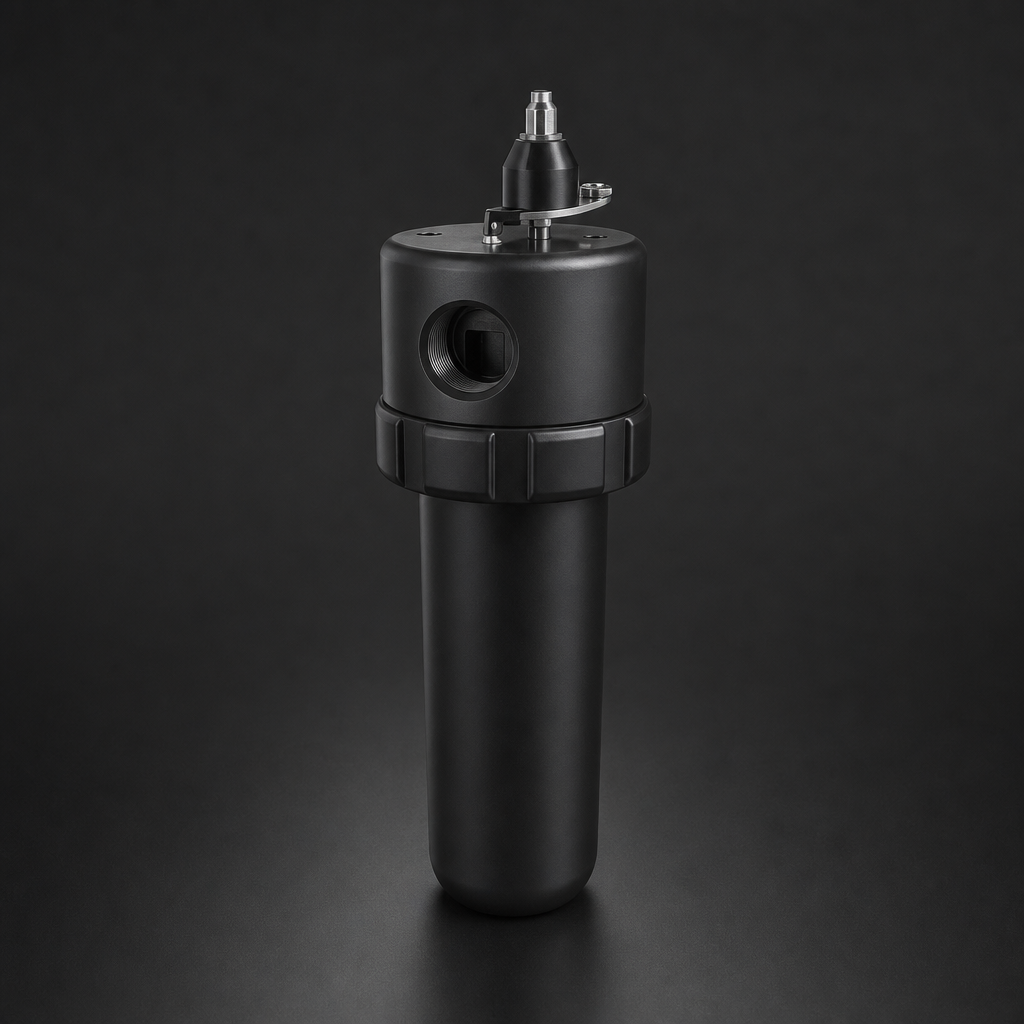
Kaeser Kompressoren designs its compressed air treatment systems — including its Kaeser Filters (KF series) and Secotec refrigeration dryers — to accept standard-format filter elements. Mann+Hummel, as a Tier-1 OEM supplier, produces elements to Kaeser's dimensional and performance specifications. The result is that a Kaeser KF 25 or KF 50 housing accepts elements with defined outer diameters, lengths, and end-cap configurations that are not proprietary in any meaningful engineering sense.
This matters for procurement teams: once you know the element's physical dimensions and the required ISO 8573-1 purity class, you can source a compatible replacement from any manufacturer whose elements meet those parameters. Understanding ISO 8573-1 compressed air quality classes is the essential first step before any cross-reference exercise.
Key Performance Parameters to Match
Before substituting any filter element, confirm the following parameters from the Kaeser/Mann+Hummel datasheet or housing label:
- Element type: Coalescing (oil aerosol removal) or particulate (dust/solid removal)
- Efficiency grade: Typically Class 1 (≤ 0.01 mg/m³ oil aerosol) or Class 2 (≤ 0.1 mg/m³)
- Outer diameter and length (mm): Must match housing bore and element seat
- End-cap style: Flat, threaded, or bayonet — must engage the housing correctly
- Seal material: NBR for standard duty; FKM/Viton for elevated temperatures or aggressive gases
- Maximum operating pressure: Kaeser KF housings are typically rated to 16 bar
Cross-Reference: Mann+Hummel / Kaeser Elements to R+F Alternatives
The table below maps the most common Mann+Hummel elements found in Kaeser KF-series housings to their R+F FilterElements equivalents. R+F elements use borosilicate glass microfibre media for coalescing grades and synthetic fibre for particulate grades — the same technology platform as the OEM elements.
| Mann+Hummel / Kaeser Ref. | Type | Grade | R+F Alternative | ISO 8573-1 Class |
|---|---|---|---|---|
| 4930 950 101 / KF 25 C | Coalescing | 0.01 mg/m³ | RF-C-25064 | Class 1 oil aerosol |
| 4930 950 201 / KF 25 P | Particulate | 1 µm | RF-P-25064 | Class 2 particulate |
| 4930 950 301 / KF 50 C | Coalescing | 0.01 mg/m³ | RF-C-51230 | Class 1 oil aerosol |
| 4930 950 401 / KF 50 P | Particulate | 1 µm | RF-P-51230 | Class 2 particulate |
| 4930 950 501 / KF 100 C | Coalescing | 0.01 mg/m³ | RF-C-51476 | Class 1 oil aerosol |
| 4930 950 601 / KF 100 P | Particulate | 1 µm | RF-P-51476 | Class 2 particulate |
All R+F coalescing elements (RF-C series) use borosilicate glass microfibre media with a drainage layer, achieving 99.99% efficiency at ≥ 0.1 µm. Particulate elements (RF-P series) use synthetic depth-filtration media rated to 99.99% efficiency at ≥ 0.3 µm. Both series are available from R+F's compressed air filter range.
Need help selecting the right replacement element?
Activated Carbon Stage: Replacing the Adsorption Element
Many Kaeser filter trains include a third stage: an activated carbon adsorption element to reduce residual oil vapour below 0.003 mg/m³ (ISO 8573-1 Class 1 for total oil). Mann+Hummel supplies these as separate elements, typically designated with a "D" or "AC" suffix in the Kaeser part number.
The R+F equivalent is the RF-AC activated carbon element, available in the same dimensional formats as the RF-C and RF-P series. The RF-AC uses a granular activated carbon bed with a pre-filter layer to prevent carbon fines from entering the downstream system. For point-of-use applications where a full housing is not practical, the RF-DIA disposable inline adsorber provides activated carbon or molecular sieve adsorption in a compact, tool-free format.
Use our free Engineering Tool to get a filtration recommendation for your specific application in under 2 minutes.
Seal Material Selection for Kaeser Housings
Kaeser KF-series housings use NBR O-rings as standard, suitable for compressed air service up to 100 °C. If your system operates at elevated temperatures — for example, downstream of a heat-of-compression dryer — or if the compressed air contains traces of aggressive gases, you should specify FKM/Viton seals when ordering replacement elements. R+F FilterElements supplies all standard element sizes with either NBR or FKM seal options; specify your requirement when enquiring via the R+F Engineering Sizing Tool.
Confirming Compatibility Before Installation
Before fitting any replacement element, carry out a three-point compatibility check:
- Dimensional check: Measure the element's outer diameter and length against the housing bore and element seat depth. A 1–2 mm discrepancy in OD can cause bypass leakage.
- End-cap engagement: Confirm the end-cap style (flat, threaded, or bayonet) engages the housing's element retainer correctly. Incorrect engagement is the most common cause of element bypass in the field.
- Pressure drop verification: After installation, measure differential pressure across the filter at rated flow. A new element should show ΔP within 10% of the OEM element's published value at the same conditions.
For complex multi-stage filter trains or high-flow applications, the R+F solutions team can review your system layout and confirm element compatibility before you commit to a replacement programme.
- Kaeser Kompressoren designs its compressed air treatment systems — including its Kaeser Filters (KF series) and Secotec refrigeration dryers — to accept standard-format filter elements.
- Outer diameter and length (mm):
- The table below maps the most common Mann+Hummel elements found in Kaeser KF-series housings to their R+F FilterElements equivalents.
- Many Kaeser filter trains include a third stage: an activated carbon adsorption element to reduce residual oil vapour below 0.
Related Reading
- Coalescing vs Particulate Filter Elements — Which Do You Need?
- ISO 8573-1 Compressed Air Quality Classes Explained
- Crankcase Ventilation Filtration — Protecting Your Compressor
Try our Engineering Sizing Tool → or discuss your requirements with our team.