A gradual rise in differential pressure (DP) across a filter is expected — it signals a filter element nearing the end of its service life. But a sudden, sharp DP spike is a different problem entirely. When production lines depend on clean, dry gas at stable pressure, an emergency DP event can halt operations within minutes. This guide walks through the most common causes of sudden pressure drop increases and the diagnostic steps to restore normal operation fast.
Why Sudden DP Spikes Are Different
Normal filter fouling follows a predictable curve: DP climbs slowly over weeks or months as particulate accumulates on the element surface. A sudden spike — occurring over minutes or hours — bypasses this curve entirely. The filter housing and element are the same; something upstream or inside the housing has changed abruptly.
Understanding the distinction matters because the corrective action differs completely. Replacing an element when the real cause is a liquid slug upstream will simply block the new element within hours. Identifying the true root cause first saves both downtime and consumable costs.
Cause 1 — Upstream Upset: Liquid Slug, Oil Dump, or Compressor Failure
The most frequent cause of a sudden DP spike is an upstream process upset that floods the filter with liquid. In compressed gas and process gas systems, this can take several forms:
- Liquid slug: Condensate accumulates in upstream pipework and is carried forward as a slug when flow velocity changes — for example, after a compressor restart or a valve opening. The coalescing element absorbs the liquid load instantly, saturating the fibre matrix and driving DP to maximum.
- Oil dump from a compressor: A failing compressor seal or a flooded separator can release a large volume of oil mist or liquid oil into the downstream pipework. Coalescing elements rated for normal aerosol loads are overwhelmed within minutes.
- Compressor surge or shutdown: A compressor trip can cause a reverse pressure wave that dislodges accumulated liquid from separator vessels, sending it downstream as a slug.
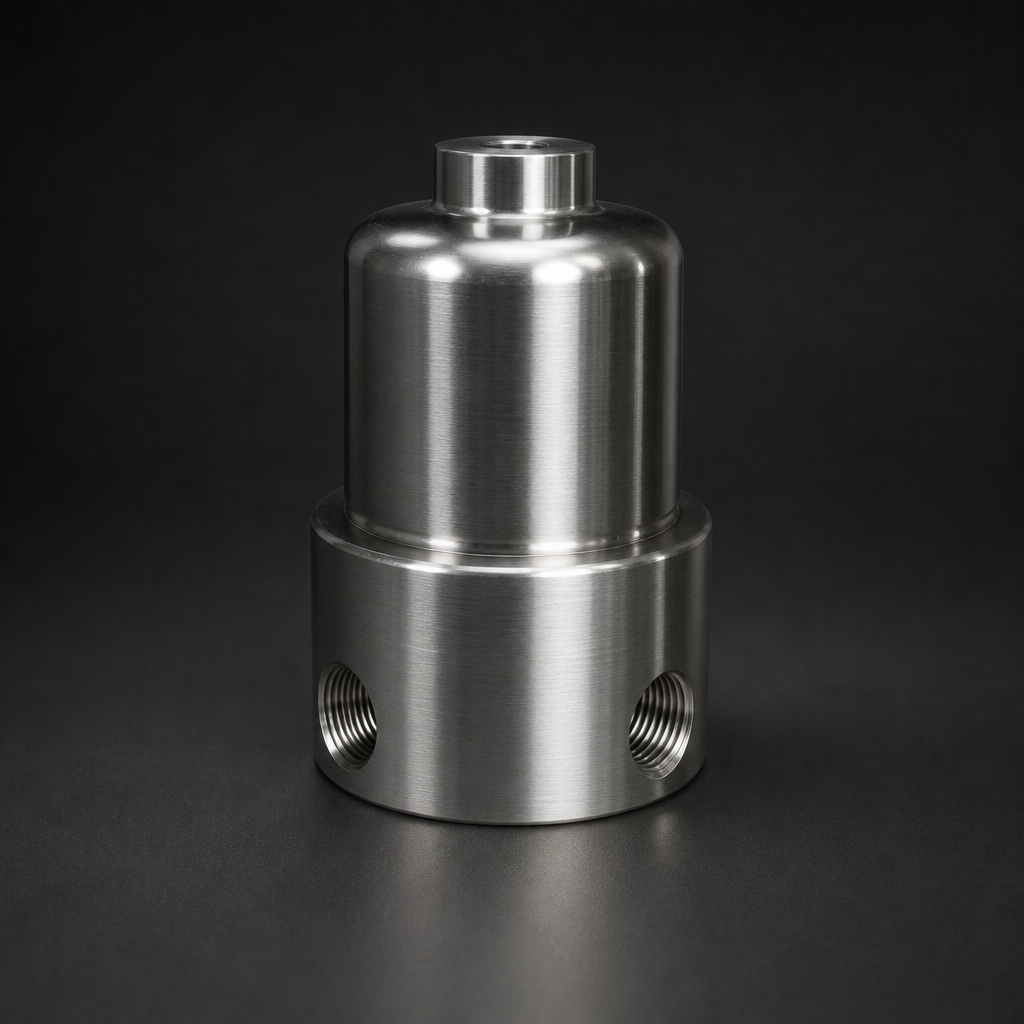
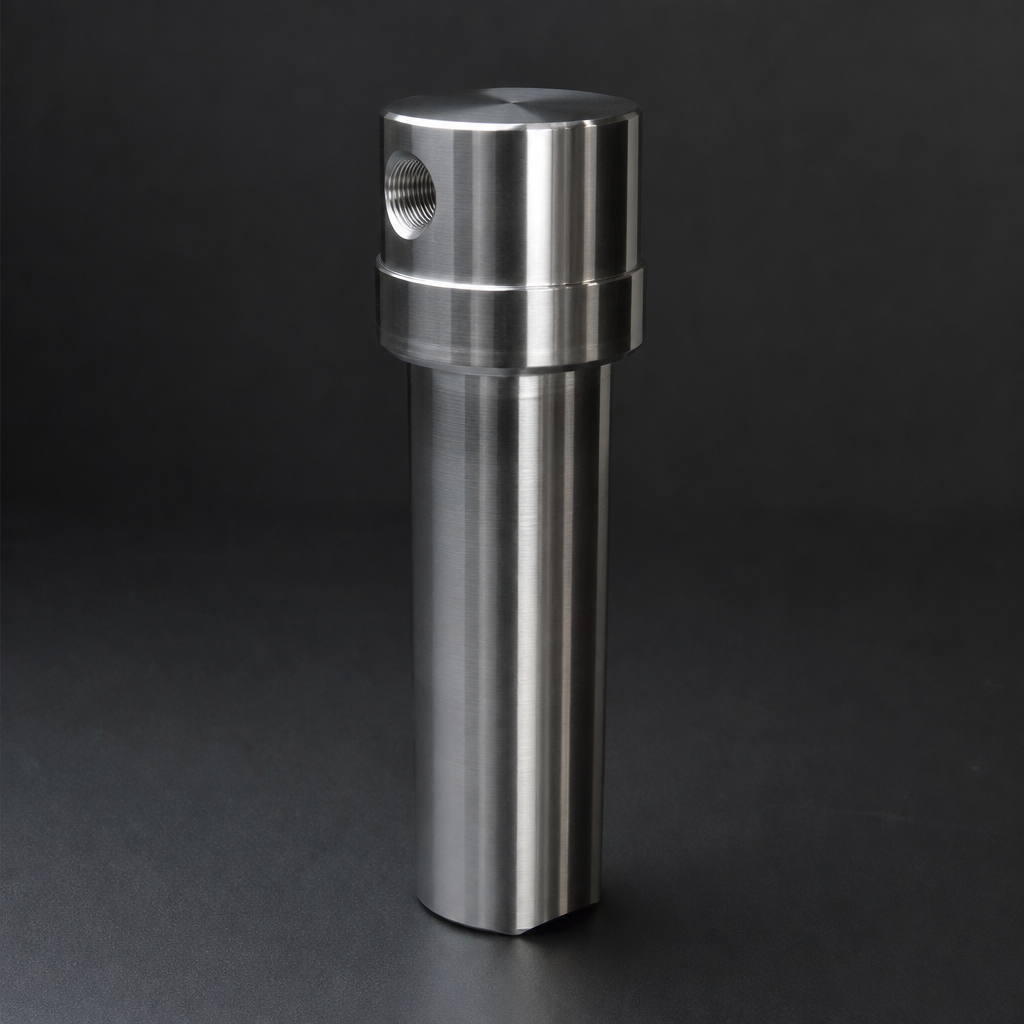
Diagnosis: Check the upstream separator drain — if it is full or overflowing, liquid ingress is confirmed. Inspect the element: a saturated coalescing element will feel heavy and may drip liquid when removed. For process gas applications, the RF-H-150 and RF-H-160 housings include a drain port specifically to manage liquid accumulation; verify the drain is functioning and not blocked.
Cause 2 — Wrong Element Installed After Maintenance
Post-maintenance DP spikes are a common and frustrating occurrence. The most likely culprit: the wrong element grade was installed during the service. This happens more often than expected, particularly when:
- Multiple element grades are stocked (e.g., RF-C coalescing and RF-P particulate) and the wrong one is picked from the shelf.
- An element from a different manufacturer is used as a "compatible" replacement — dimensional compatibility does not guarantee flow resistance compatibility.
- A higher-efficiency grade (e.g., sub-micron coalescing) is installed where a coarser particulate element was specified, increasing baseline DP by a factor of two to three.
Diagnosis: Pull the element and compare the part number against the housing specification plate or the maintenance record. For R+F FilterElements housings, the correct element codes are stamped on the housing label. The RF-C coalescing elements and RF-P particulate elements have distinct colour-coded end caps to reduce pick errors — verify the cap colour matches the specification.
Isolate and depressurise the housing
Cause 3 — Element Collapse or Structural Failure
A sudden DP spike accompanied by a drop in downstream flow — or an unusual noise from the housing — may indicate element collapse. This occurs when:
- The element is subjected to a pressure surge or water hammer event that exceeds its structural rating.
- An element is operated well beyond its service life, weakening the inner support core.
- An incorrect element (without an inner support cage) is installed in a high-flow or high-pressure application.
A collapsed element can partially or fully block the flow path, driving DP to maximum. In severe cases, the collapsed element may bypass — allowing unfiltered gas to pass — which is equally dangerous. The RF-H-150 process gas housing is designed for 100 bar service with elements that include a stainless steel inner support core, preventing collapse under normal operating conditions. For high-pressure applications up to 250 bar, the RF-H-160 provides additional structural margin.
| Cause | Key Symptom | First Check | Corrective Action |
|---|---|---|---|
| Liquid slug / oil dump | DP spikes within minutes of compressor restart or valve opening | Upstream separator drain level | Drain housing, replace element, fix upstream separator |
| Wrong element grade | DP high immediately after maintenance, no upstream upset | Element part number vs. housing spec | Replace with correct grade; update stock labelling |
| Element collapse | DP maximum + reduced downstream flow or noise | Visual inspection of removed element | Replace element; investigate pressure surge source |
| Compressor failure / surge | DP spike coincides with compressor alarm or trip | Compressor fault log and separator condition | Restore compressor; drain and replace element |
Use our free Engineering Tool to get a filtration recommendation for your specific application in under 2 minutes.
Emergency Response Sequence
When a sudden DP spike occurs during production, follow this sequence to minimise downtime while protecting downstream equipment:
- Do not immediately bypass the filter. A bypass allows unfiltered gas — potentially carrying liquid, oil, or particulate — to reach downstream instrumentation and process equipment.
- Check the DP gauge or transmitter. Confirm the reading is real — a faulty transmitter can give a false high reading. If a second DP measurement point is available, cross-check.
- Inspect the upstream separator drain. If liquid is present, you have identified the likely cause. Open the housing drain and allow liquid to evacuate before opening the housing.
- Isolate and depressurise the housing following your site lock-out/tag-out procedure. Open the housing and remove the element for inspection.
- Inspect the element: Is it saturated with liquid? Collapsed? Is the part number correct? Document your findings.
- Install the correct replacement element and reassemble. For inline filter applications, ensure the replacement RF-DIL element matches the specified micron rating.
- Restore flow slowly and monitor DP for the first 15 minutes. A normal new-element DP should be at or below the housing's clean DP specification.
- Address the root cause before returning to normal operation — whether that means repairing the upstream separator, correcting the element stock, or investigating the compressor.
Preventing Recurrence
Once the immediate crisis is resolved, a short review can prevent the same event from recurring. Key measures include:
- Upstream separator maintenance: Ensure automatic drains are functioning and manual drains are checked on a defined schedule. A blocked drain is the most common precursor to a liquid slug event.
- Element stock control: Store RF-C and RF-P elements in clearly labelled, separate locations. Consider colour-coded bin labels that match the element end-cap colours.
- DP alarm setpoints: Set a high-DP alarm at 80% of the element's maximum rated DP — not at the maximum. This gives operators time to respond before the element is fully blocked.
- Maintenance records: Log the element grade, batch number, and installer name at every service. This makes post-event diagnosis significantly faster.
For applications where sudden DP events carry high process risk — such as hydrogen service or natural gas conditioning — consider installing a duplex filter arrangement. A duplex housing allows one filter to remain in service while the other is serviced or replaced, eliminating the need for a production shutdown during element changes.
- Normal filter fouling follows a predictable curve: DP climbs slowly over weeks or months as particulate accumulates on the element surface.
- Oil dump from a compressor:
- Post-maintenance DP spikes are a common and frustrating occurrence.
- A sudden DP spike accompanied by a drop in downstream flow — or an unusual noise from the housing — may indicate element collapse.
Related Reading
- Coalescing vs Particulate Filter Elements — Which Do You Need?
- ISO 8573-1 Compressed Air Quality Classes Explained
- Crankcase Ventilation Filtration — Protecting Your Compressor
Try our Engineering Sizing Tool → or discuss your requirements with our team.