
Particulate Filter Elements
Five element technologies — from disposable glass-fibre to cleanable stainless steel and PTFE — covering every gas filtration requirement from general instrument protection to extreme chemical and high-temperature service.
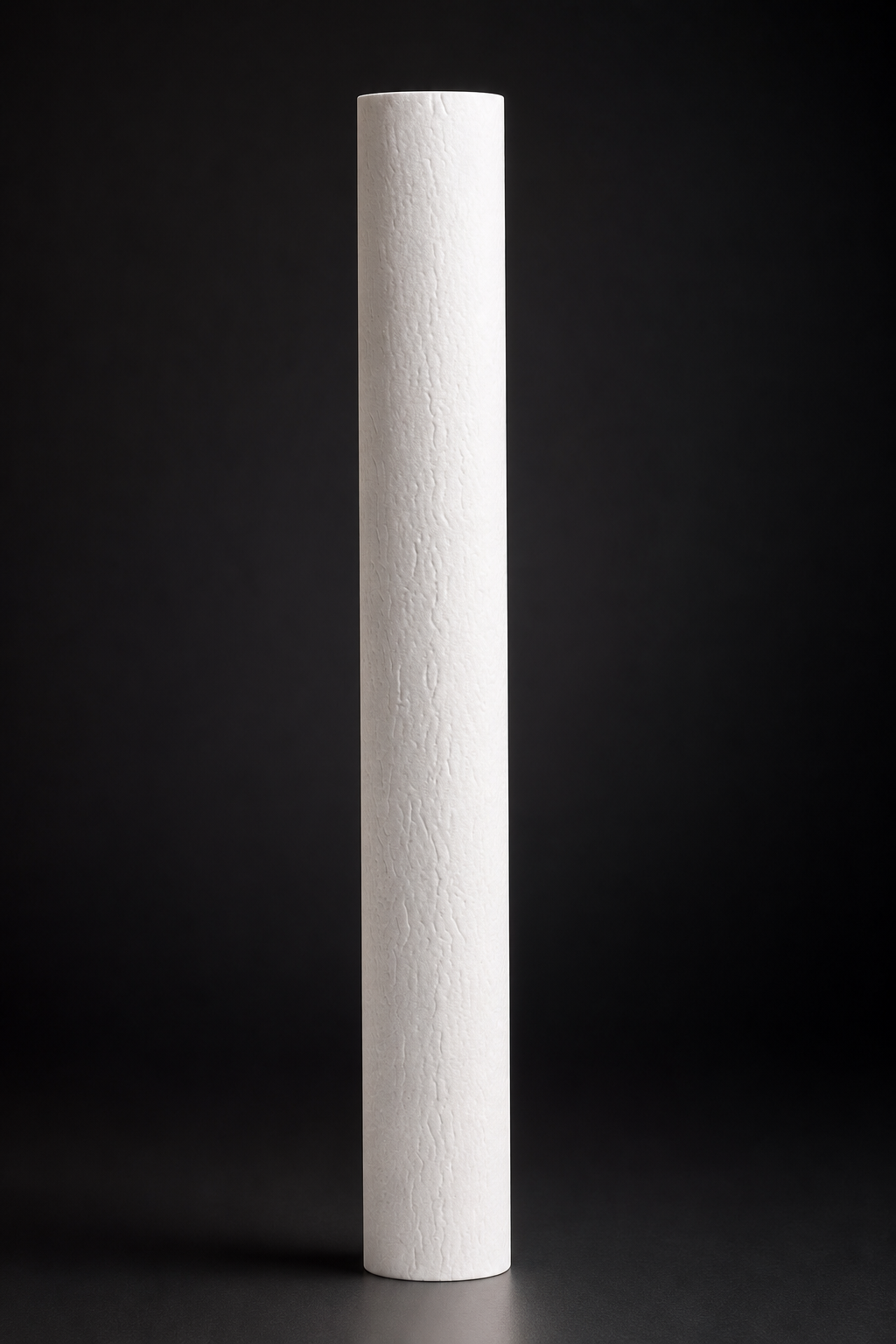
Standard Particulate Elements
General-purpose disposable elements for standard gas filtration
Standard particulate elements use borosilicate glass microfibre media with an epoxy ester binder, providing reliable solid-particle removal from compressed air and process gas streams. Available in five efficiency grades from bulk pre-filtration to ultra-high-efficiency final-stage protection. These are the most widely used elements across all housing ranges.
Key Features
- Grade UX: 99.9999+% efficiency at 0.1 µm — ultra-high purity
- Grade HE: 99.99+% efficiency — high-performance protection
- Grade ME: 99.5+% efficiency — standard instrument quality
- Grade ST: 95% efficiency — general-purpose pre-filtration
- Grade PF: 75% efficiency — bulk solids and droplet removal
- Replace at 0.7 bar differential pressure
- Disposable — cannot be cleaned or regenerated
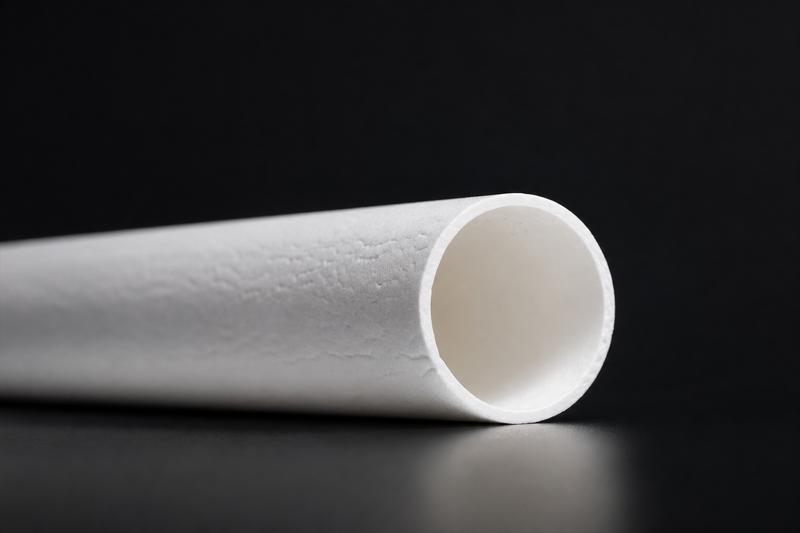
K-Type Particulate Elements
Fluorocarbon-bonded elements for corrosive gas service
K-type elements replace the standard epoxy ester binder with a fluorocarbon (PVDF) binder, providing outstanding chemical resistance to corrosive gases, acidic condensates, and aggressive solvents. Same five efficiency grades and physical dimensions as standard elements — direct drop-in replacements for applications where chemical compatibility is critical.
Key Features
- PVDF binder — exceptional chemical resistance to acids and solvents
- Same efficiency grades as standard elements (UXK–PFK)
- Direct drop-in replacement for standard elements
- Used in DIF disposable in-line filters as standard
- Replace at 0.7 bar differential pressure
- Disposable — cannot be cleaned or regenerated
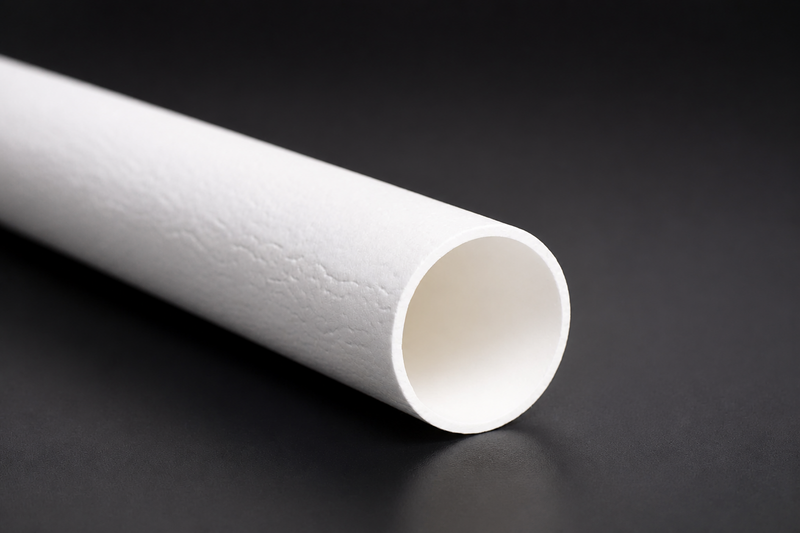
S-Type Particulate Elements
Silica-bonded elements for high-temperature and solvent service
S-type elements use an inorganic silica binder, extending the maximum operating temperature to 500 °C — more than three times the limit of standard and K-type elements. Designed for hot gas analysis, heated sample systems, and environments where organic binders would degrade. Required in all heatable housings (RF-HH series).
Key Features
- Maximum operating temperature 500 °C — industry-leading thermal stability
- Inorganic silica binder — zero organic outgassing
- Required for RF-HH series heatable housings
- Same efficiency grades as standard elements (UXS–PFS)
- Require HT annealed copper gaskets above 200 °C
- Disposable — cannot be cleaned or regenerated
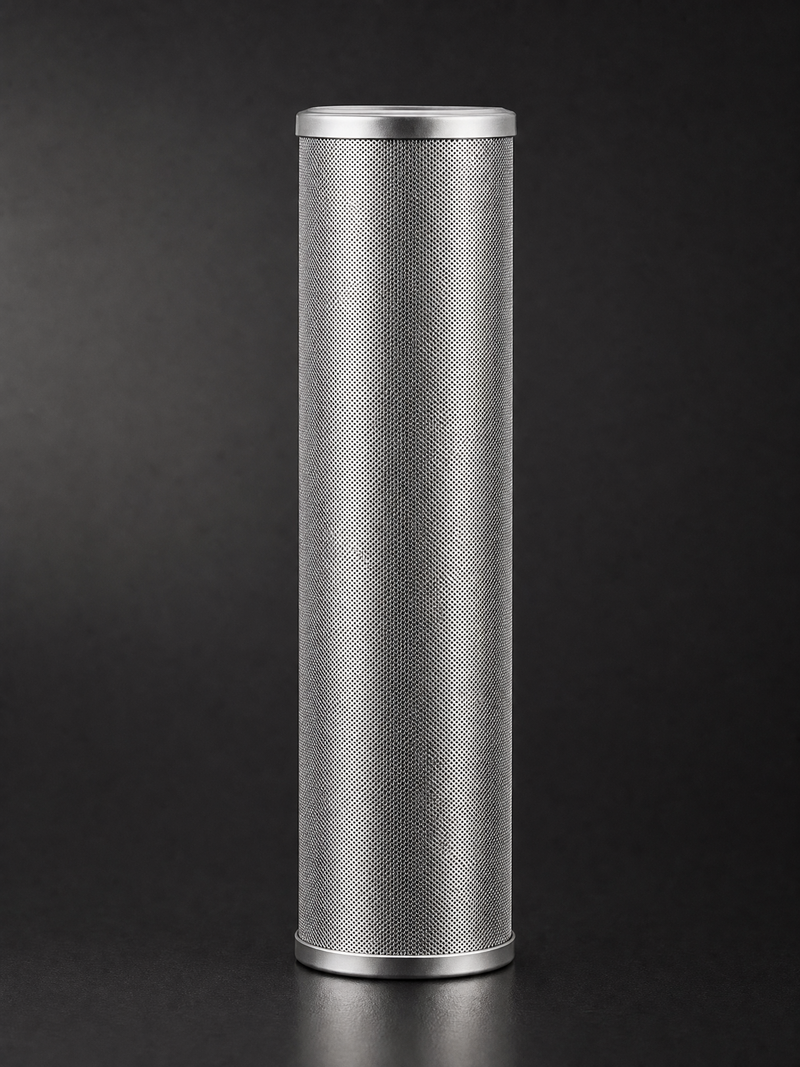
Stainless Steel Elements
Cleanable sintered 316L mesh elements for permanent installation
Sintered 316L stainless steel mesh elements provide a permanent, cleanable alternative to disposable glass-fibre media. Available in five nominal micron ratings, these elements can be ultrasonically cleaned and reused many times, significantly reducing long-term consumable costs in high-throughput or difficult-access installations.
Key Features
- Ultrasonically cleanable — reuse many times
- 316L stainless steel — corrosion-resistant and chemically inert
- Available in 5 nominal grades: 1, 3, 10, 25, and 100 µm
- Require gaskets: Viton (standard), PTFE (chemical), or HT annealed copper (high-temp)
- Permanent media — significantly lower lifetime cost
- No fibre shedding — suitable for critical analytical systems
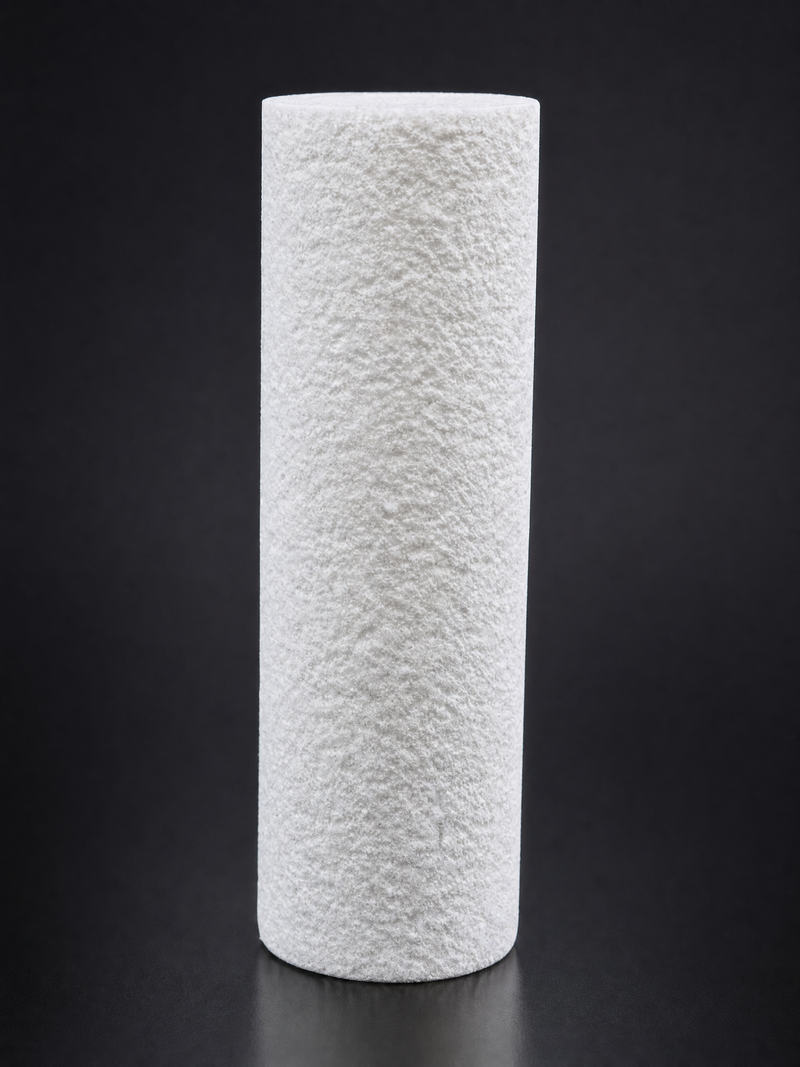
PTFE Elements
Cleanable sintered PTFE elements for extreme chemical resistance
Sintered pure PTFE elements combine the cleanability and reusability of stainless steel with the universal chemical resistance of fluoropolymer. Ideal for highly corrosive or reactive gas streams where metallic media cannot be used. Can be ultrasonically cleaned and reused.
Key Features
- Universal chemical resistance — inert to virtually all chemicals
- Ultrasonically cleanable — reuse many times
- Available in 3 grades: 3, 10, and 25 µm
- No extractables or outgassing — ultra-clean media
- Ideal replacement where stainless steel is incompatible
- Max 200 °C continuous service
Problems These Products Solve
Need help selecting the right filter?
Need help selecting the right element grade or material for your application? Our filtration specialists will recommend the optimal solution.