
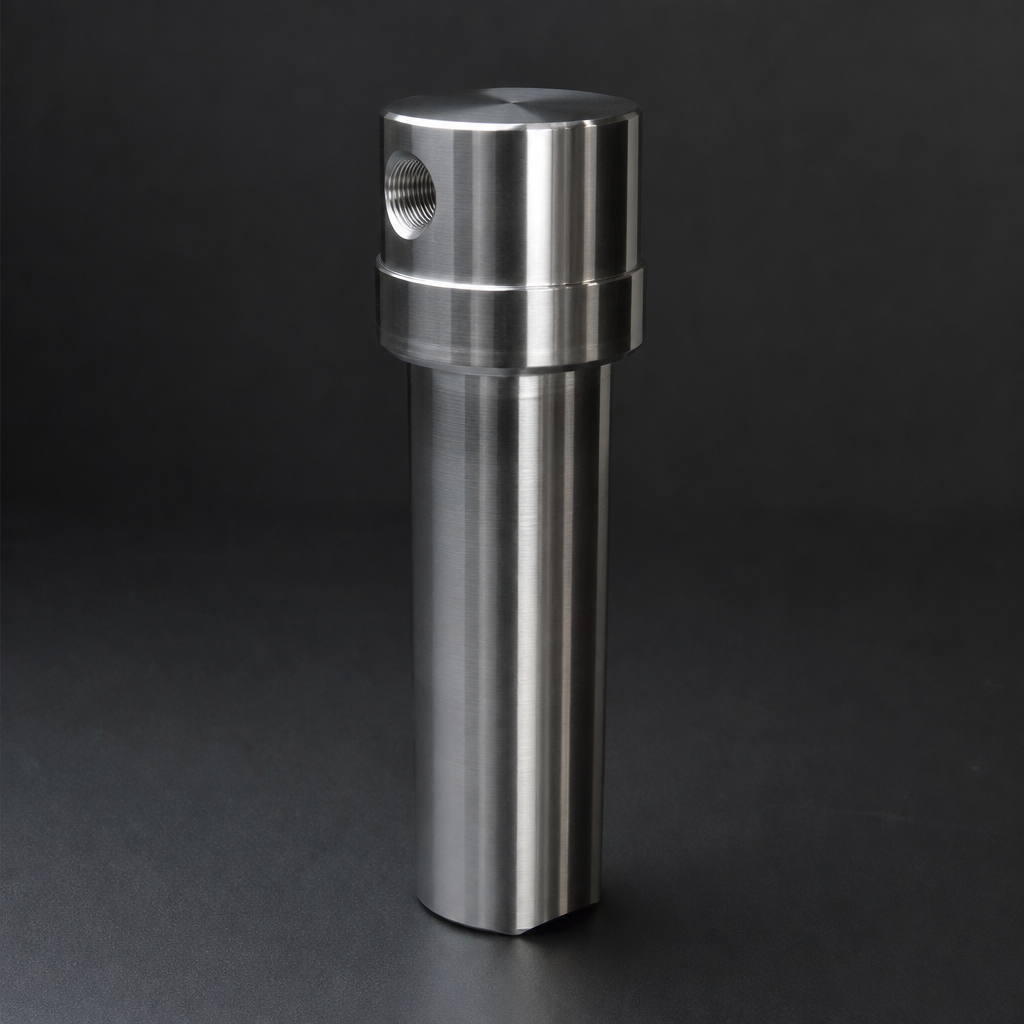
Sour Gas and Corrosion — Filtration for H₂S, CO₂, and Aggressive Process Environments
When hydrogen sulphide, carbon dioxide, or chloride ions are present in your process gas, standard carbon steel filtration equipment has a limited life expectancy. Corrosion does not give warnings — it causes failures.
Recognise the Symptoms
- Visible corrosion on filter housing exterior or internals
- Rust-coloured contamination downstream of the filter
- Pitting or stress corrosion cracking on housing walls or welds
- Seal or gasket degradation caused by chemical attack
- Element end-cap or support structure corrosion
Root Causes
H₂S (hydrogen sulphide) in process gas
even low concentrations (>50 ppm) cause sulphide stress cracking in carbon steel and many standard stainless steels
CO₂ (carbon dioxide) with moisture
wet CO₂ forms carbonic acid, which causes general and pitting corrosion of carbon steel
Chloride-containing gas or condensate
chloride ions cause pitting and crevice corrosion in austenitic stainless steels (304, 316) at elevated temperatures
Wrong material specification
using standard carbon steel or 304SS in sour or acidic service leads to accelerated corrosion
Temperature and pressure cycling
thermal and pressure cycles accelerate stress corrosion cracking in susceptible materials
Diagnostic Checklist
- 1What is the H₂S concentration in the process gas? (ppm or % by volume)
- 2Is CO₂ present? At what concentration?
- 3Are chlorides present in the gas or in condensate?
- 4What is the operating temperature and pressure?
- 5What material are the current housings and elements made from?
- 6Is NACE MR0175 / ISO 15156 compliance required?
- 7Have there been any corrosion-related failures or inspection findings?
Find the right filter for this problem
Enter your operating data and let our tools point you to the right element and housing — or send us your details for a tailored recommendation.
Element Finder
RecommendedIdentify the right filter element for your medium and duty in under 60 seconds — recommended starting point.
Find your elementUse Housing Selector
Select the matching housing — material, pressure rating, connections and drain.
Select a housingRequest a Consultation
Prefer a person? Send your operating data and we will recommend the right configuration.
Send enquiryRelated Applications
Describe Your Situation — We Will Find the Right Solution
Every filtration problem has specific root causes that require specific solutions. Send us your operating conditions and we will provide a tailored recommendation.