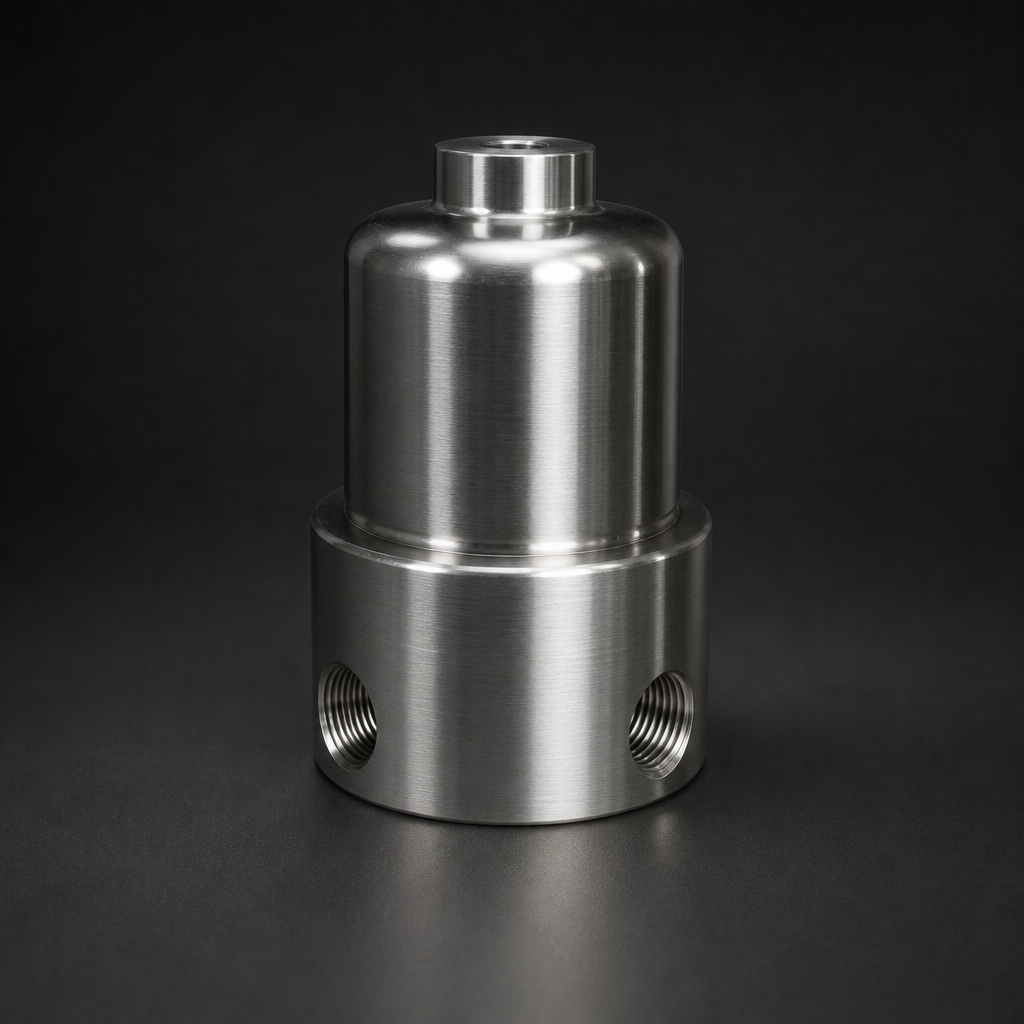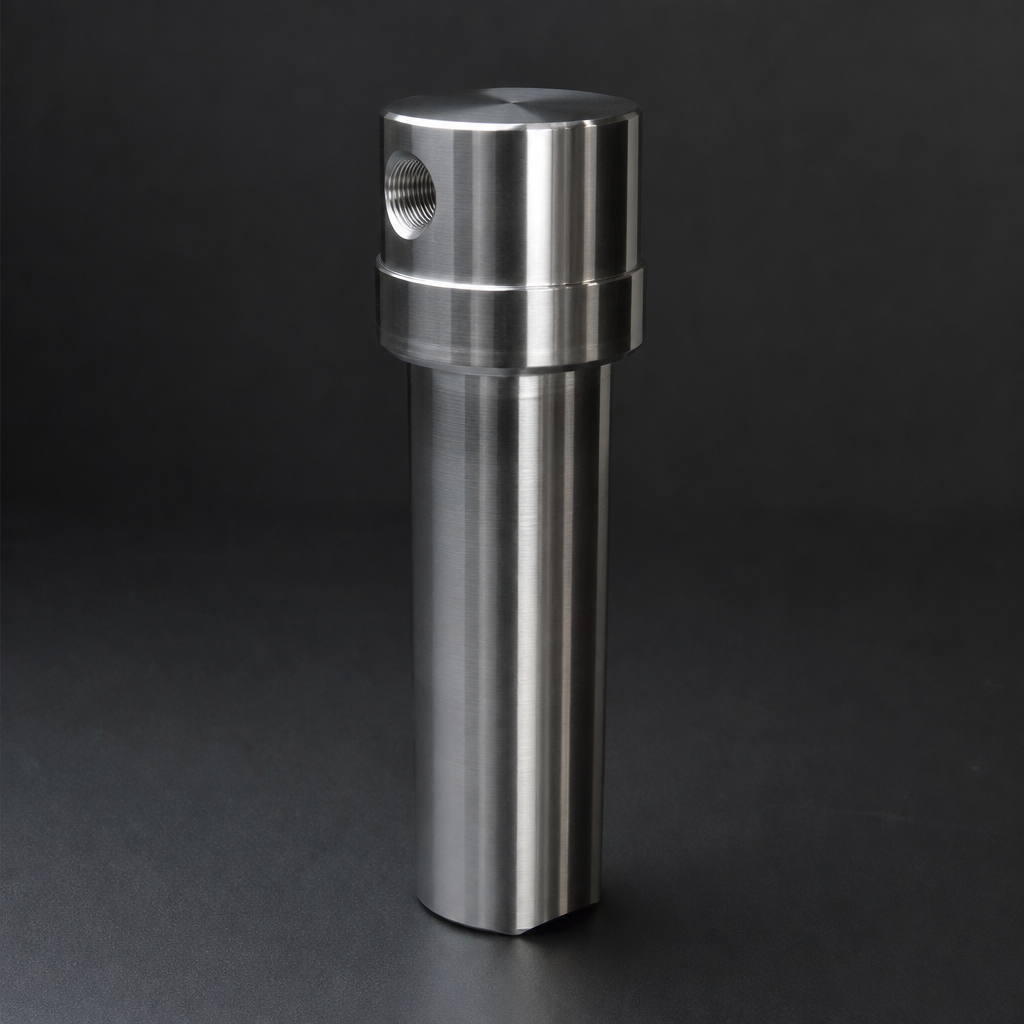
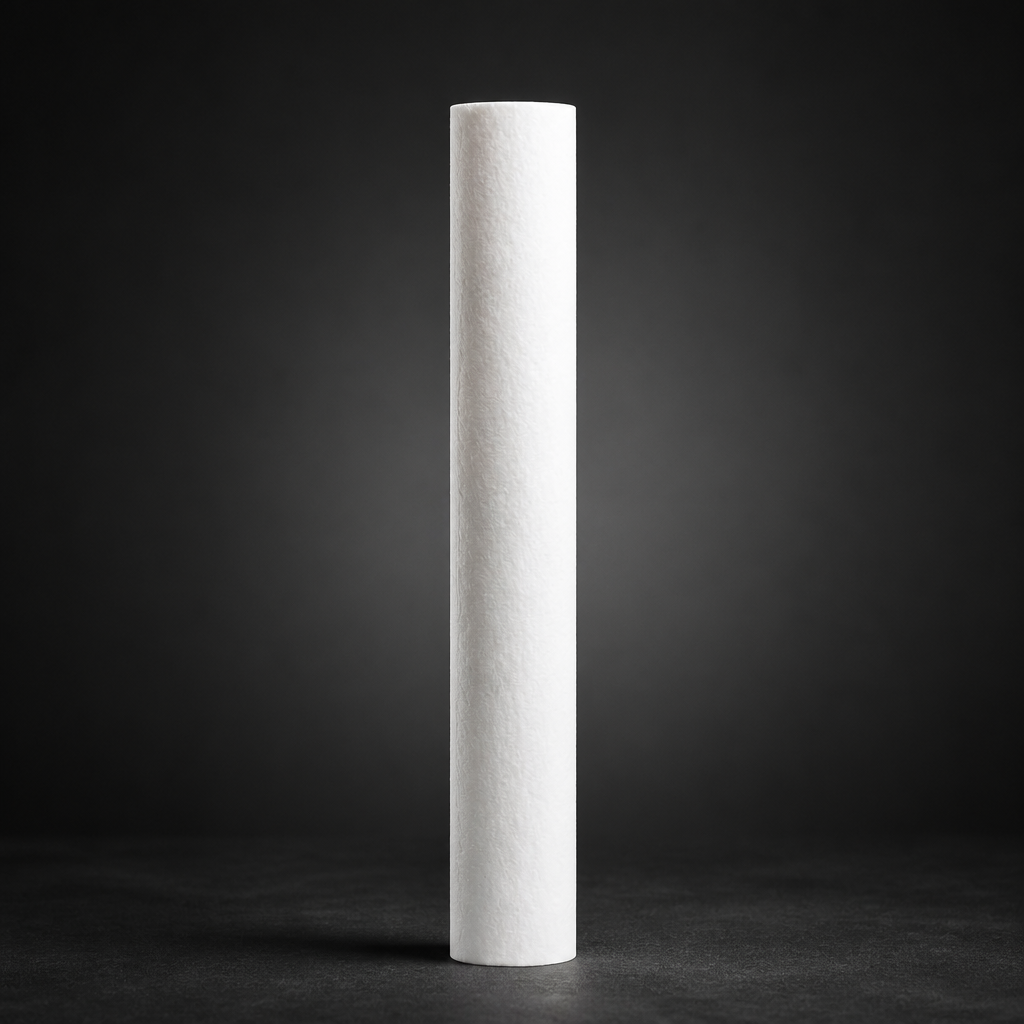
A filter housing that looks right, fits the thread, and even seats without obvious resistance — yet delivers none of the protection it should. This is the frustrating reality of a mismatched filter element, and it is far more common than most maintenance teams realise. Whether the wrong grade was picked from a parts catalogue, a substitute was fitted during an emergency shutdown, or the element dimensions were simply confused, the consequences range from elevated differential pressure to complete contamination breakthrough. This guide explains how to recognise the symptoms, verify compatibility, and prevent the problem from recurring.
Why Mismatched Elements Are So Easy to Miss
Filter elements are often selected by housing model number alone. If the element physically fits the housing — correct thread pitch, correct end-cap diameter — it is assumed to be correct. But two elements can share identical external dimensions while differing in filtration grade, media type, flow rating, and maximum operating temperature. A coalescing element and a particulate element for the same housing series are externally indistinguishable to the naked eye, yet they perform entirely different functions.
The problem is compounded by inconsistent part-numbering across suppliers. A code that means "coalescing, 0.01 µm" for one brand may mean "particulate, 1 µm" for another. When a maintenance technician replaces an element from a different supplier without cross-referencing the full specification, a mismatch is almost inevitable. R+F FilterElements uses a structured article-number system — for example, RF-C elements are always coalescing borosilicate microfibre, while RF-P elements are always particulate — but cross-brand substitutions require careful verification.
Recognising the Symptoms
Three symptoms reliably indicate a mismatched element. They do not always appear together, and each can have other causes, but when two or more are present simultaneously the element should be the first thing checked.
1. Unexplained Differential Pressure Increase
Every filter element has a rated initial differential pressure (DP) at a given flow rate and inlet conditions. If the installed element has a finer filtration grade than specified — for example, a 0.01 µm coalescing element fitted where a 1 µm particulate element was required — the DP will be significantly higher from the moment of installation, even with a clean element. Conversely, a coarser element fitted in place of a finer one will show an unusually low DP, which may be mistaken for good performance when it actually indicates inadequate filtration.
2. No Improvement in Downstream Air or Gas Quality
If a coalescing element is replaced with a particulate element, liquid aerosols will pass straight through. Downstream instruments, pneumatic actuators, or process equipment will continue to show oil or moisture contamination despite the recent service. This symptom is particularly insidious because the maintenance record shows a recent element change, which tends to rule out the filter in subsequent troubleshooting. Always check the element code, not just the service date.
3. Element Does Not Seat Properly
Some mismatches are dimensional rather than grade-related. An element from a different housing series may have the correct thread but a slightly different end-cap geometry, causing it to seat at an angle or leave a small bypass gap. This is detectable by inspecting the seating face after removal — an uneven compression mark on the O-ring or end-cap gasket is a clear indicator. In high-pressure applications such as those using RF-H-150 or RF-H-160 process gas housings, even a minor bypass gap is unacceptable and can cause downstream contamination or, in extreme cases, a seal failure.
How to Verify Element Compatibility
Verification requires checking four parameters against the housing specification and the process requirements:
Step 1 — Check the Dimensions
Measure the element's outer diameter, inner diameter, and length. Compare these against the housing datasheet. For the RF-H-310 to RF-H-395 compressed air filter series, elements are available in six standard sizes (12032, 12057, 25064, 25178, 51230, 51476) — the first two digits indicate the outer diameter in mm and the last three indicate the length in mm. Fitting a 25064 element into a housing designed for a 51230 will produce an obvious dimensional mismatch, but fitting a 25064 where a 25178 is required is a subtler error that may not be immediately apparent.
Step 2 — Verify the Element Code and Media Type
The element code must match the housing's intended filtration stage. In a typical three-stage compressed air train, the stages are: coarse particulate (RF-P, 1 µm), fine coalescing (RF-C, 0.01 µm), and activated carbon adsorption (RF-AC). Swapping the RF-C and RF-P elements — which are dimensionally identical — will result in the coalescing stage receiving pre-filtered air but the particulate stage receiving unfiltered aerosols, causing rapid saturation and breakthrough. Always read the element code printed on the end-cap, not just the colour coding, which can fade or be obscured by contamination.
Step 3 — Confirm the Flow Rating
Each element size has a maximum rated flow. Fitting a smaller element into a housing that can accept a larger one — for example, using a 12032 element in a housing rated for 51476 — will cause the element to operate far above its rated velocity, dramatically increasing DP and reducing efficiency. Use the R+F Engineering Sizing Tool to confirm that the selected element size is appropriate for the actual operating flow rate.
Step 4 — Check the Temperature and Seal Material
Standard RF-C and RF-P elements are rated to 100 °C with NBR seals. If the application involves elevated temperatures — for example, a vacuum pump exhaust filter operating above 100 °C — the S-type element (200 °C, FKM seals) or the sintered metal variant (450 °C) must be used. Fitting a standard element in a high-temperature application will cause seal degradation and potential bypass within weeks.
Need help selecting the right filter element?
Use our free Engineering Tool to get a filtration recommendation for your specific application in under 2 minutes.
Common Mix-Ups by Application
| Application | Correct Element | Common Mismatch | Consequence |
|---|---|---|---|
| Compressed air, oil removal | RF-C coalescing, 0.01 µm | RF-P particulate fitted instead | Oil aerosol passes through; downstream contamination |
| Vacuum pump exhaust | RF-CS silica-bonded, S-type | Standard RF-C fitted instead | Seal failure above 100 °C; element collapse |
| Process gas, high pressure | RF-C or RF-P for RF-H-150/160 | Compressed air element fitted | Pressure rating exceeded; bypass gap at end-cap |
| Activated carbon stage | RF-AC adsorption element | RF-P particulate fitted instead | Residual oil vapour not removed; odour/taste issues |
| Instrumentation / analyser | RF-H-170 series element | Standard compressed air element | Pressure rating exceeded; analyser damage |
Preventing Recurrence
The most effective prevention is a dedicated element register — a simple document or spreadsheet that lists every filter housing on site, its location, the correct element code, the element size, and the seal material. This register should be attached to the housing (laminated label or QR code) and referenced at every service. When ordering replacement elements, always quote the full R+F article number rather than a generic description.
For sites running multiple filter types, colour-coded storage bins for each element type reduce the risk of picking the wrong item during a time-pressured shutdown. The differences between coalescing and particulate elements are worth reviewing with any technician who services compressed air or process gas systems.
If you are unsure whether the currently installed element is correct, the quickest check is to compare the element's article number against the housing datasheet. R+F FilterElements publishes full compatibility data for all RF-C, RF-P, RF-AC, and RF-CS elements, and the Engineering Sizing Tool will confirm the correct element code for any housing and flow condition. For process gas applications — particularly those involving the RF-H-150 or RF-H-160 housings — always verify with the R+F technical team before fitting a substitute element, as the pressure and temperature ratings are critical.
- Filter elements are often selected by housing model number alone.
- Three symptoms reliably indicate a mismatched element.
- Verification requires checking four parameters against the housing specification and the process requirements:
- The most effective prevention is a dedicated element register — a simple document or spreadsheet that lists every filter housing on site, its location, the correct element code, the element size, and the seal material.
Related Reading
- Coalescing vs Particulate Filter Elements — Which Do You Need?
- ISO 8573-1 Compressed Air Quality Classes Explained
- Oxygen Filtration Safety — Why the Right Element Matters
Try our Engineering Sizing Tool → or discuss your requirements with our team.