
Silica gel for bulk moisture removal
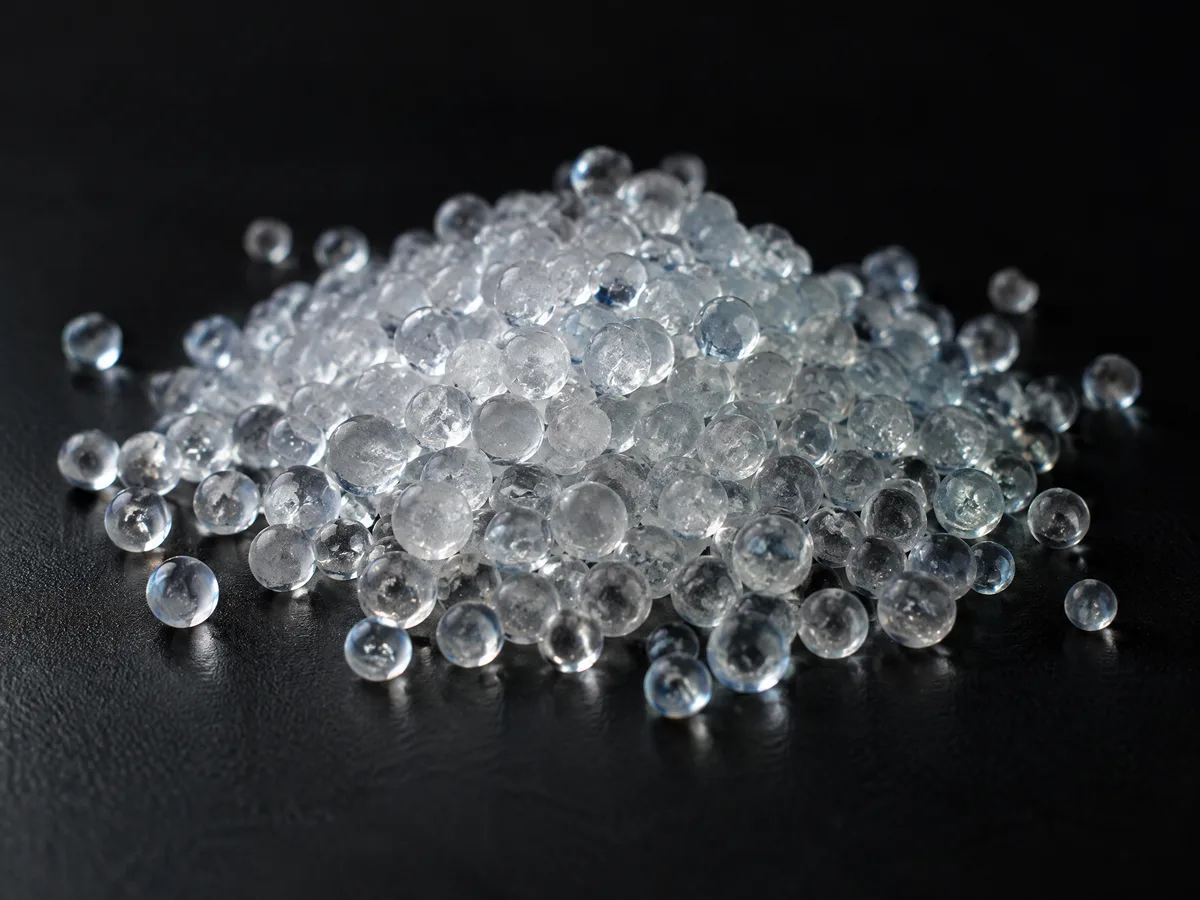
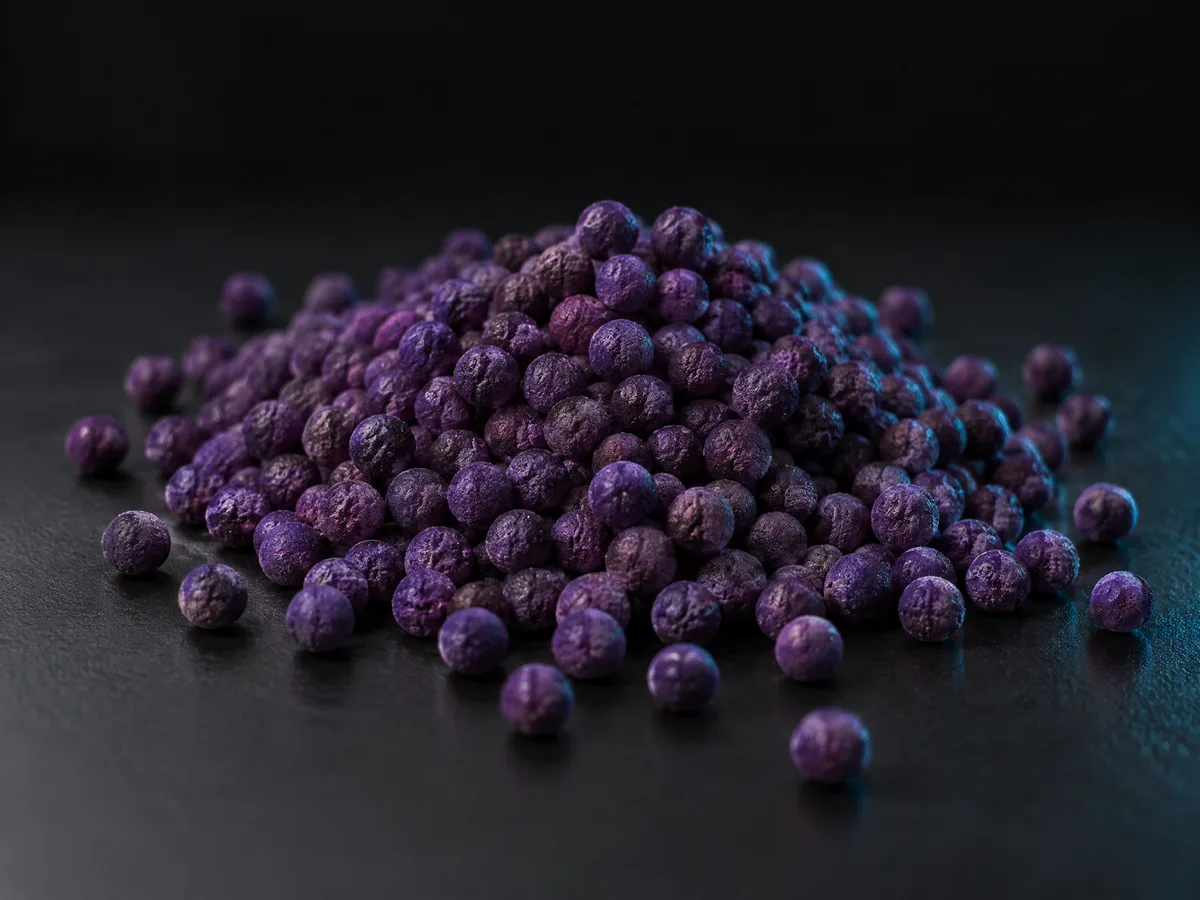
SG · amorphous silica beads · loose fill or RF-AC cartridge
Silica gel is the classic desiccant: it takes up a lot of water at moderate and high humidity and regenerates at lower temperatures than molecular sieve. In gas filtration it is used on its own for moderate dew points or as the first layer in front of a molecular sieve.
Removes
Bulk moisture and humidity, ideal as first layer before molecular sieve.
Info
High water capacity; regenerates at lower temperature than molecular sieve.
Typical problems
- High inlet moisture saturates a molecular sieve bed too quickly
- Condensation in instrument air and sample lines
- Moderate dew point required at low cost per kg
Benefits
- High water capacity at medium to high humidity
- Lower regeneration temperature than molecular sieve
- Extends molecular sieve life as a pre-drying layer
- Available by the kg and in RF-AC cartridges
How it works
Silica gel is amorphous silicon dioxide with a fine pore network. Water vapour is adsorbed and condenses in the pores. Its capacity is highest at high relative humidity; at very low humidity molecular sieve performs better – which is why the two are often layered.
Example process train
Layered bed: silica gel + molecular sieve
Example: water-saturated gas, low dew point required.
1 · Coalescing filter
RF-C element, grade HE
Removes liquid water – silica gel must not see liquid
2 · Silica gel layer
SG, inlet side of the bed
Takes the bulk of the moisture
3 · Molecular sieve layer
3A or 4A, outlet side
Polishes to the final dew point
4 · Particulate after-filter
RF-P element
Retains dust from the media
Limits & notes
- Not suitable for very low dew points on its own – combine with molecular sieve
- Liquid water can crack standard silica gel beads
- Capacity falls with rising temperature
- Cartridges up to 50 °C; loose fill per housing rating
Service life depends on load and operating data – figures on request are estimates.
Which medium fits your gas?
Send us gas, flow, pressure, temperature and the contaminant to remove – we propose housing, fill and pre-/after-filters.