When a single filter failure can release radioactive particulates into the environment, the margin for error is zero. Nuclear facilities — from power stations and hot cell laboratories to glove box enclosures and decommissioning sites — rely on HEPA filtration as the last line of defence against airborne contamination. At the heart of every qualified nuclear HEPA filter is borosilicate glass microfibre: a material whose combination of fire resistance, dimensional stability, and predictable ageing has made it the mandated choice for over six decades.
This article explains why borosilicate glass fibre is specified for nuclear-grade HEPA filtration, how qualification and in-situ testing work, and how the same proven microfibre technology underpins the R+F FilterElements coalescing and particulate element range used in demanding process gas applications.
Why Nuclear Facilities Cannot Compromise on HEPA Filtration
Radioactive particulates — including alpha-emitting actinides, fission product aerosols, and tritiated water droplets — are invisible, odourless, and acutely hazardous at sub-microgram concentrations. Ventilation systems in nuclear facilities must capture these particles before exhaust air reaches the environment or recirculates to occupied areas. HEPA filters rated to EN 1822 Class H14 or higher achieve a minimum efficiency of 99.995% for the most penetrating particle size (MPPS), typically 0.1–0.3 µm — the size range where aerosol penetration is greatest.
Applications requiring nuclear-grade HEPA filtration include:
- Hot cell ventilation: Negative-pressure enclosures handling highly active materials require continuous exhaust filtration to prevent contamination spread.
- Glove box exhaust: Plutonium, uranium, and other alpha-emitting materials handled in glove boxes demand absolute containment of any exhaust stream.
- Decommissioning operations: Cutting, grinding, and dismantling contaminated structures generates radioactive dust that must be captured at source.
- Tritium facility ventilation: Tritiated water vapour and HT gas require specialised filtration and adsorption systems.
- Fuel fabrication and reprocessing: Continuous process ventilation with redundant HEPA stages is standard practice.
Borosilicate Glass Fibre: Why It Is Mandated
Synthetic polymer fibres — polypropylene, polyester, or PTFE — are used in many industrial HEPA applications. In nuclear environments, they are generally prohibited. The reasons are technical and regulatory:
Borosilicate glass microfibre offers four properties that make it uniquely suited to nuclear service:
- Fire resistance: Glass fibres are non-combustible. In a beyond-design-basis accident involving fire, a borosilicate HEPA filter retains its structural integrity and continues to provide containment — a critical safety function.
- Zero outgassing: Inorganic glass fibres do not emit volatile compounds under gamma or neutron irradiation. This is essential in glove box and hot cell applications where trace contamination of the process atmosphere is unacceptable.
- Predictable radiation ageing: Borosilicate glass has a well-characterised response to cumulative radiation dose. Qualification programmes can predict filter performance over its service life with confidence — something impossible with polymer media whose degradation kinetics are dose-rate dependent.
- Proven track record: Borosilicate glass HEPA media has been in continuous nuclear service since the 1950s. Decades of operational data from reactors, reprocessing plants, and research facilities underpin its regulatory acceptance.
Applicable Standards: ASME AG-1 and EN 1822
Two standards govern nuclear HEPA filter qualification in most markets:
| Standard | Scope | Key Requirements | Primary Market |
|---|---|---|---|
| ASME AG-1 | Nuclear air and gas treatment | Type A/B/C HEPA; DOP/PAO factory test; seismic qualification; fire resistance | USA, Canada, South Korea |
| EN 1822 | HEPA and ULPA filter classification | H13–U17 classes; MPPS efficiency; individual filter scan test | Europe, UK, Asia-Pacific |
| ISO 29463 | High-efficiency air filters | Harmonised with EN 1822; international classification | Global |
| IEC 60780 | Nuclear power plant electrical equipment | Qualification for safety-class systems including ventilation | Global |
ASME AG-1 is particularly demanding: it requires factory testing of every filter unit with DOP (dioctyl phthalate) or PAO (poly-alpha-olefin) aerosol at rated flow, seismic qualification to demonstrate structural integrity under design-basis earthquake loads, and documentation of the complete manufacturing chain. European nuclear operators typically specify EN 1822 H14 as a minimum, with additional nuclear-specific requirements defined in national regulatory guidance.
Need help selecting the right filter for your application?
Use our free Engineering Tool to get a filtration recommendation for your specific application in under 2 minutes.
In-Situ Testing and Replacement Cycles
Factory qualification is necessary but not sufficient. Nuclear HEPA systems must be tested in-situ after installation and at regular intervals throughout their service life. The standard method uses a PAO aerosol challenge upstream of the installed filter bank, with a photometer or particle counter scanning the downstream face for penetration. Any local penetration exceeding the acceptance criterion — typically 0.01% of upstream concentration — requires filter replacement.
Replacement cycles in nuclear facilities are driven by three factors: differential pressure rise (indicating particulate loading), cumulative radiation dose (which can embrittle glass fibres over decades), and scheduled maintenance intervals defined in the facility's safety case. Unlike industrial HEPA applications where filters are changed on pressure drop alone, nuclear HEPA replacement is a controlled radiological operation requiring bagging-out procedures, contamination monitoring, and waste disposal as radioactive material.
For hydrogen and tritium facility applications, additional considerations apply: tritiated water vapour can be adsorbed onto filter media, increasing the radiological inventory of the filter and complicating disposal. Specialist filter designs with reduced media surface area or downstream molecular sieve adsorbers are used to manage this.
The Borosilicate Microfibre Connection to Process Gas Filtration
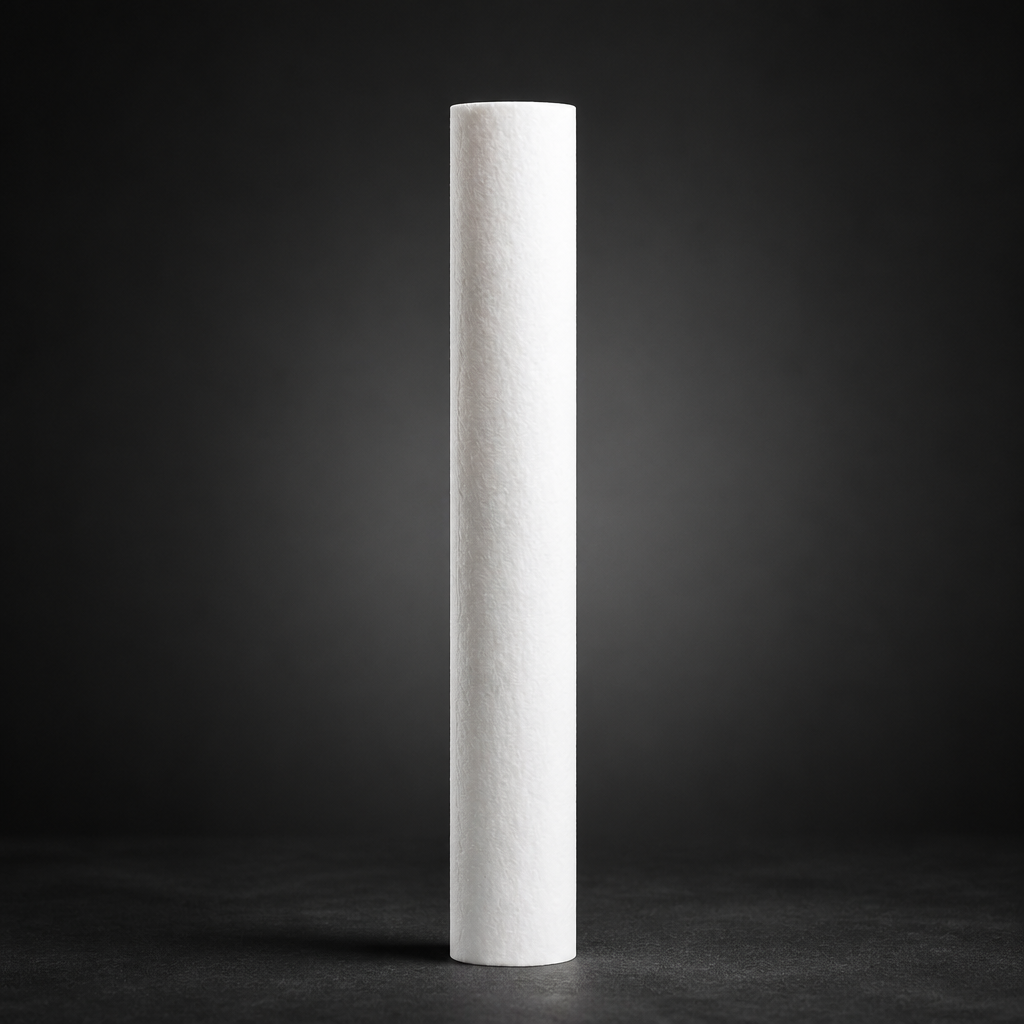
The same borosilicate glass microfibre technology that underpins nuclear HEPA qualification is the foundation of R+F FilterElements' coalescing and particulate element range. The RF-C coalescing elements use borosilicate microfibre media to achieve 99.99% efficiency at ≥ 0.1 µm — the same particle size range targeted by nuclear HEPA filters — in compressed air and process gas service.
This is not coincidental. Borosilicate microfibre's combination of fine fibre diameter (typically 0.5–3 µm), high void fraction, and chemical inertness makes it the optimal medium for sub-micron aerosol capture across a wide range of applications. In nuclear service, the emphasis is on absolute containment and radiation resistance. In process gas filtration, the emphasis shifts to coalescing efficiency, pressure drop, and compatibility with the process fluid — but the underlying filtration physics and media technology are identical.
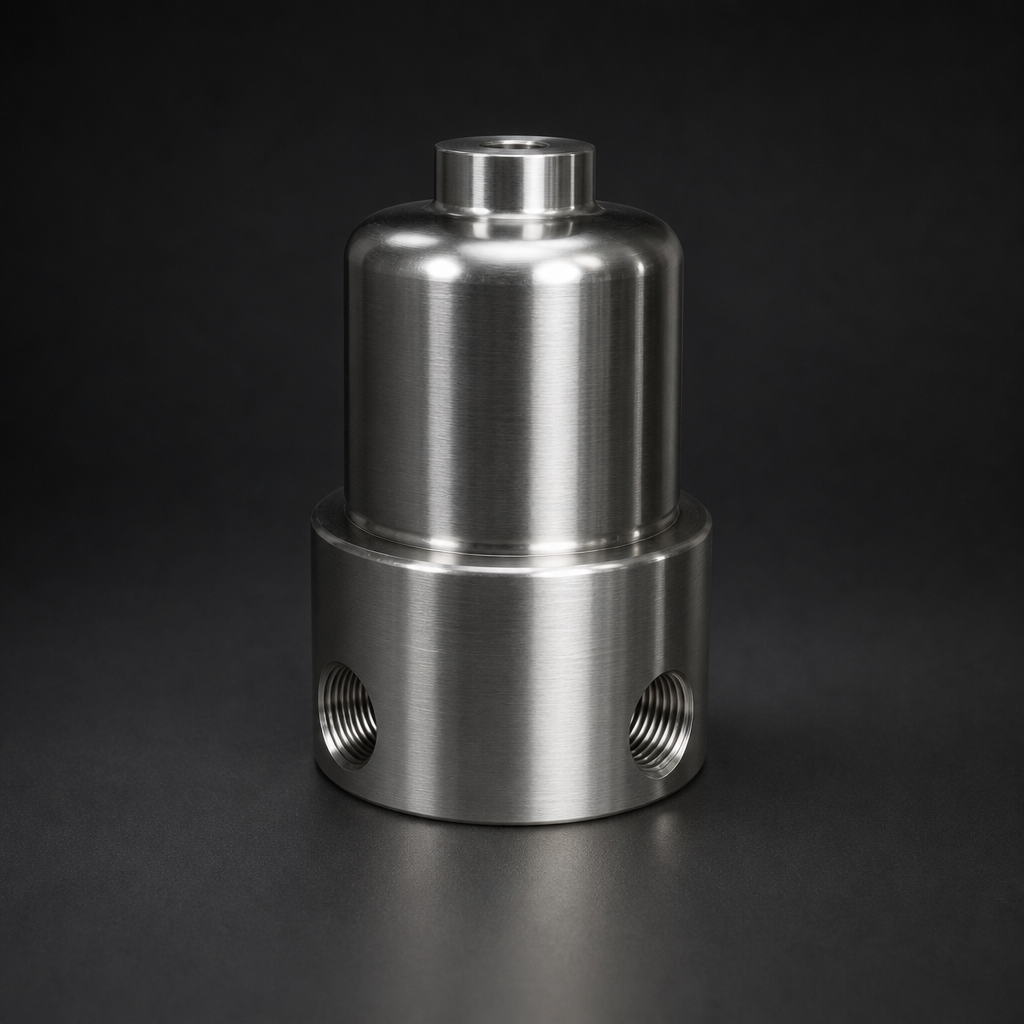
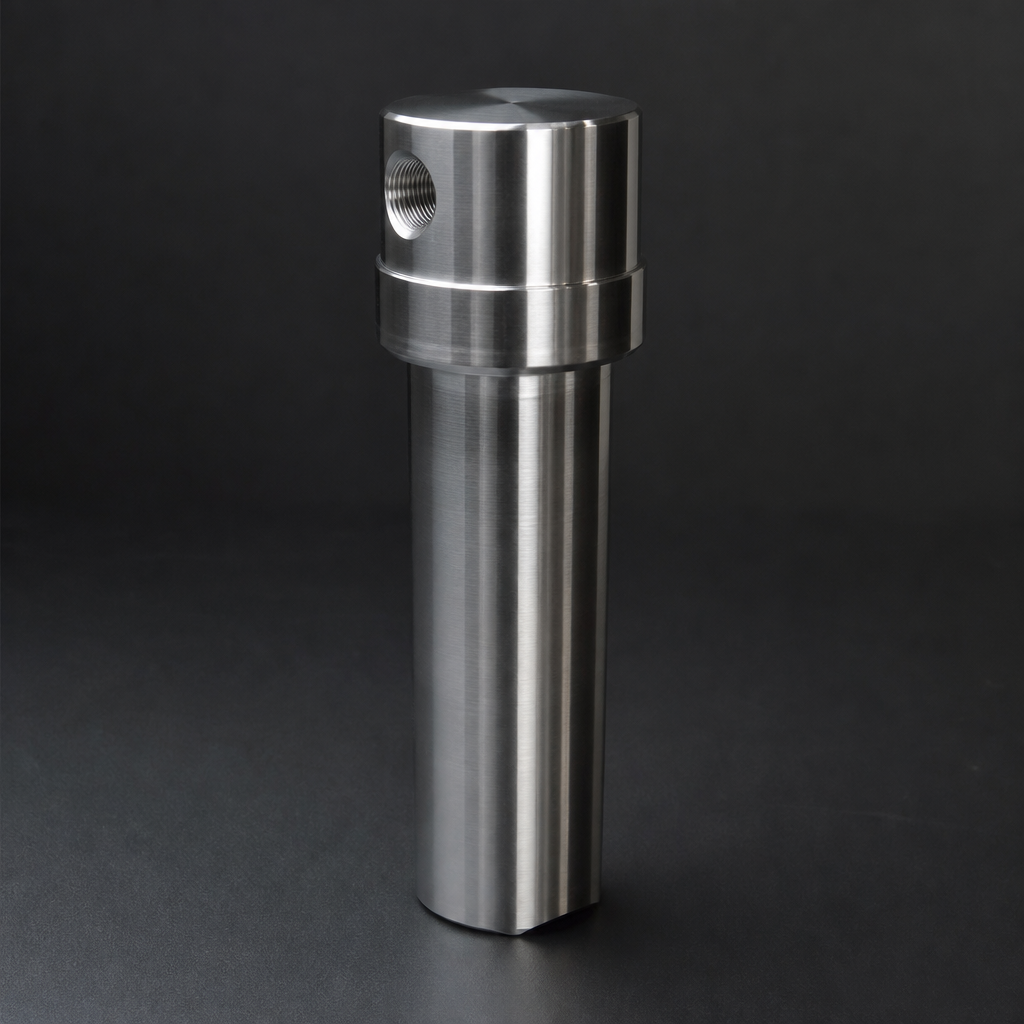
R+F FilterElements offers borosilicate microfibre elements in standard (100 °C), S-type (200 °C), and K-type (sour gas/H₂S) configurations. The RF-C series coalescing elements and RF-P particulate elements are available in sizes to suit housings from the RF-H-150 compact process gas housing through to large multi-element configurations. For point-of-use applications requiring absolute particulate removal, the RF-DIL disposable inline filter provides a convenient, validated solution.
- Hot cell ventilation:
- Predictable radiation ageing:
- Two standards govern nuclear HEPA filter qualification in most markets:
- Factory qualification is necessary but not sufficient.
Specifying HEPA Filtration for Nuclear-Adjacent Applications
Many industrial processes operate in environments where nuclear-grade thinking is appropriate even if formal ASME AG-1 or EN 1822 nuclear qualification is not required. Pharmaceutical isolators, semiconductor cleanrooms, and high-containment biological laboratories all use HEPA filtration with similar performance requirements. The lessons from nuclear HEPA — media qualification, in-situ testing, documented replacement cycles, and fire-resistant media — translate directly to these applications.
For engineers specifying filtration in demanding environments, the key questions are: What is the consequence of filter failure? What is the required efficiency at the MPPS? What are the temperature, chemical, and radiation environment constraints? And what documentation and traceability is required for regulatory compliance? Answering these questions rigorously leads, in most high-consequence applications, to the same conclusion the nuclear industry reached decades ago: borosilicate glass microfibre HEPA media, properly qualified and regularly tested.
To discuss filtration requirements for your specific application, contact the R+F FilterElements engineering team or use the online sizing tool to identify the right housing and element combination.
Related Reading
- Coalescing vs Particulate Filter Elements — Which Do You Need?
- Hydrogen Electrolysis Filtration — Protecting Electrolysers and Downstream Equipment
- ISO 8573-1 Compressed Air Quality — A Practical Guide
Try our Engineering Sizing Tool → or discuss your requirements with our team.