Accurate measurement of particulate matter — PM2.5 and PM10 — depends on one component more than any other: the filter medium that captures the particles. Whether you are conducting isokinetic stack monitoring at an industrial emission source, operating a continuous ambient air quality station, or preparing gravimetric samples in the laboratory, the filter media you choose directly determines the validity of your results. This guide explains why borosilicate glass microfibre has become the reference standard for gravimetric sampling, and how the same underlying technology underpins the R+F FilterElements coalescing and particulate filter range.
Why Gravimetric Sampling Remains the Reference Method
Gravimetric analysis — weighing a filter before and after sampling to determine the mass of collected particulate — is the legally recognised reference method for PM2.5 and PM10 under the European Industrial Emissions Directive (IED), EN 13284-1 (stationary source emissions), and EN 12341 (ambient air quality). Optical and laser-based instruments are widely used for continuous monitoring, but they must be calibrated against gravimetric reference measurements. The filter medium is therefore not a peripheral consumable; it is the measurement artefact itself.
The Case for Borosilicate Glass Microfibre
Borosilicate glass microfibre filters have dominated gravimetric PM sampling for decades, and for good reason. The material combines four properties that no alternative medium matches simultaneously:
- Low and stable tare weight: Borosilicate filters are manufactured to tight mass tolerances. A 47 mm disc typically weighs 80–120 mg, with batch-to-batch variation below ±5 mg. This reproducibility is essential when the mass gain from a PM2.5 sample may be as little as 0.1 mg.
- Thermal stability: Gravimetric protocols require filters to be conditioned at 50 °C ± 5 °C (EN 12341) or 160 °C (stack sampling pre-treatment) before weighing. Borosilicate glass withstands these temperatures without dimensional change or mass loss.
- Chemical inertness: Stack gases contain SO₂, NOₓ, HCl, and moisture. Borosilicate glass does not react with these species, preventing artefact formation that would bias the measured mass.
- Defined pore structure: The random microfibre matrix provides a consistent collection efficiency across the filter face, with no preferential flow paths. Standard grades achieve >99.97% efficiency for particles ≥ 0.3 µm at the face velocities used in isokinetic sampling.
Sampling Filters vs. Process Filters — A Critical Distinction
It is important to distinguish between two different roles that filter media play in emission monitoring programmes:
| Parameter | Sampling Filter (Measurement) | Process Filter (Protection) |
|---|---|---|
| Primary function | Capture particles for gravimetric weighing | Protect instruments and analysers from contamination |
| Medium | Borosilicate glass microfibre disc | Borosilicate microfibre element (RF-C series) or sintered metal |
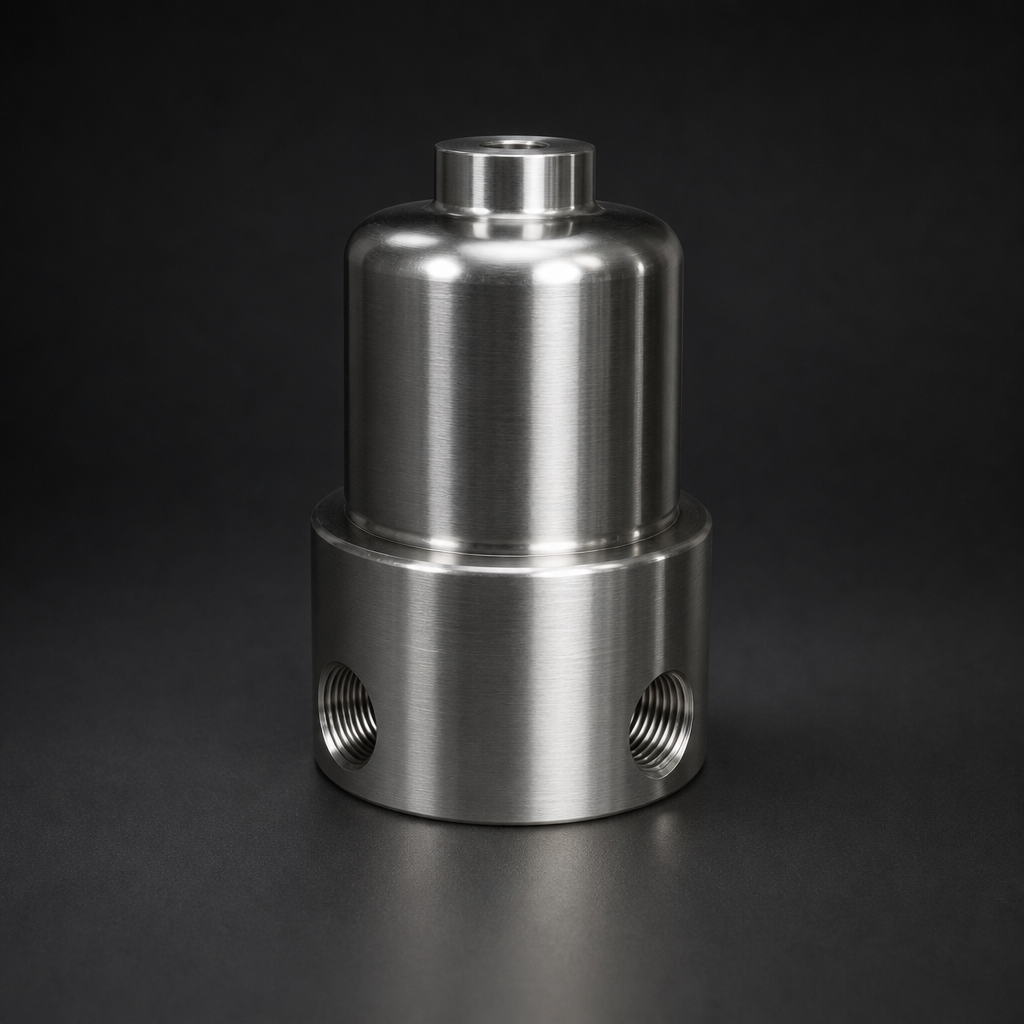
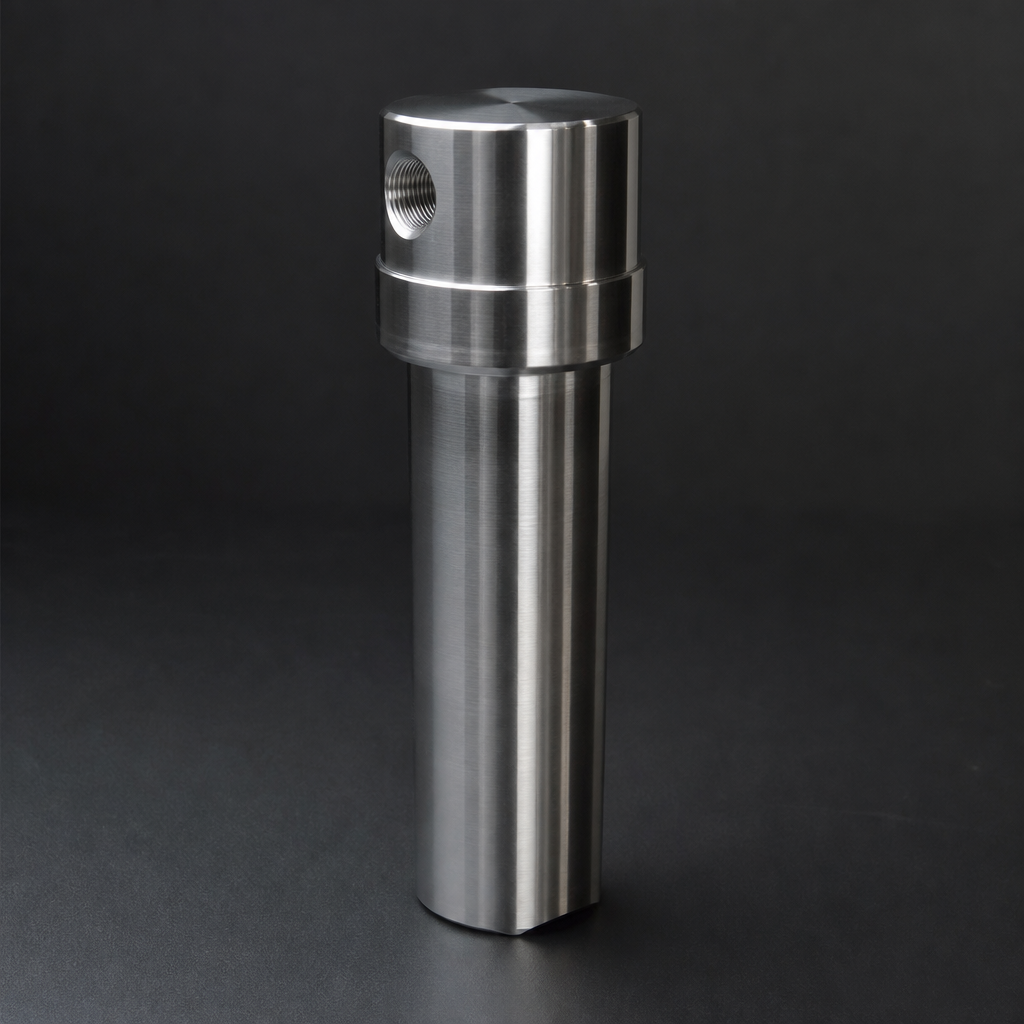
| Housing | Isokinetic probe / filter holder | RF-H-110 to RF-H-170 series stainless steel housings |
| Replacement frequency | After each sampling run (single-use) | Condition-based (differential pressure monitoring) |
| Key standard | EN 13284-1, EN 12341, ISO 23210 | ISO 8573-1 (carrier gas purity) |
In a typical continuous emission monitoring system (CEMS), both filter types are present simultaneously. The sampling filter collects the particulate fraction for gravimetric or chemical analysis, while process gas filters upstream protect the analyser from moisture, oil mist, and coarse dust that would damage sensors or block sample lines.
Need help selecting the right filter for your emission monitoring system?
Stack Monitoring: Isokinetic Sampling Requirements
Stack monitoring for PM2.5 and PM10 at industrial emission sources — power stations, cement plants, waste incineration facilities, and chemical process plant — must be conducted isokinetically. This means the sampling velocity at the probe tip must match the flue gas velocity, so that the particle size distribution entering the filter is representative of the actual emission. Any deviation (sub- or super-isokinetic sampling) biases the result towards coarser or finer particles respectively.
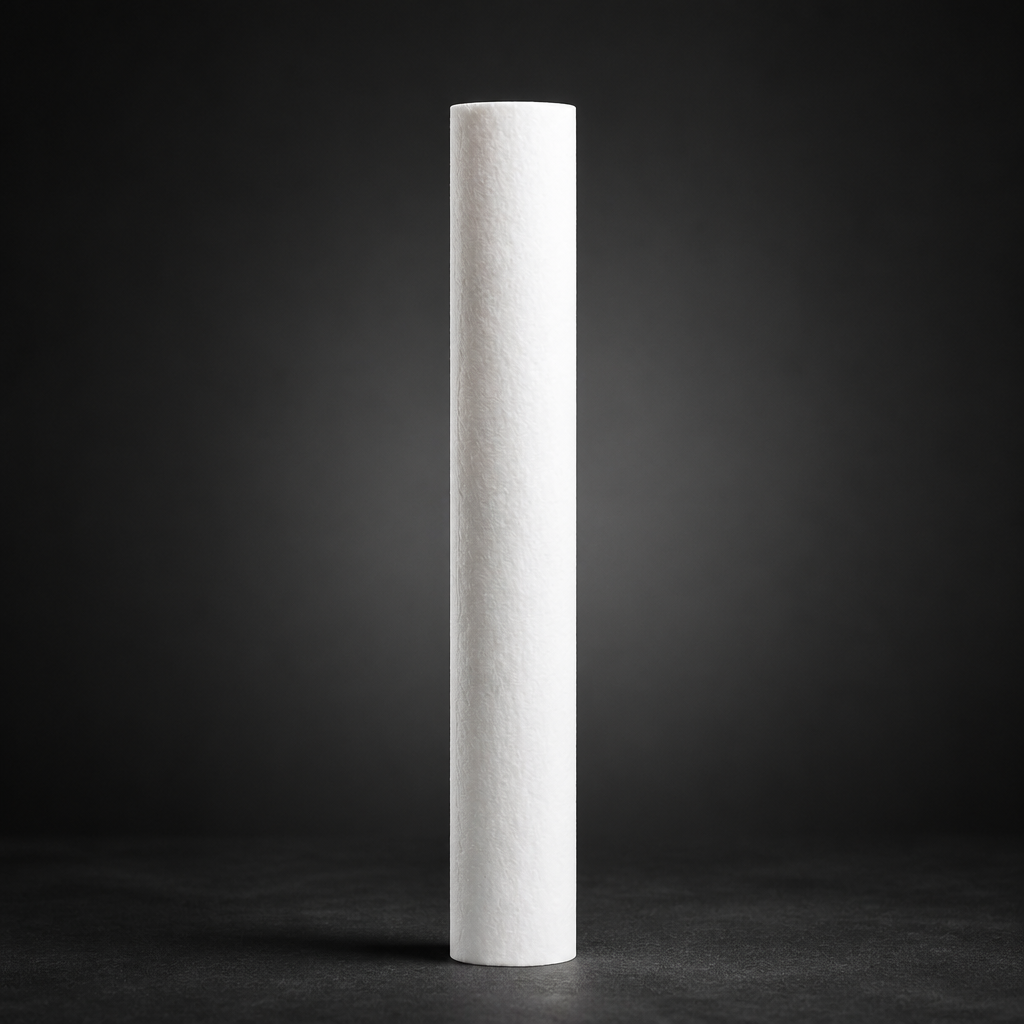
The filter medium must withstand the conditions at the sampling point: temperatures up to 250 °C in the probe, condensing moisture during cool-down, and chemically aggressive flue gas constituents. Borosilicate glass microfibre — the same technology used in R+F coalescing filter elements (RF-C series) — meets all these requirements. The RF-C elements use a multi-layer borosilicate microfibre matrix with a defined pore gradient, achieving 99.99% efficiency at ≥ 0.1 µm, which exceeds the collection requirements of EN 13284-1.
Use our free Engineering Tool to get a filtration recommendation for your specific application in under 2 minutes.
Ambient Air Quality Monitoring
Ambient PM2.5 and PM10 monitoring at roadside, urban background, and rural stations operates under EN 12341 and the EU Ambient Air Quality Directive (2008/50/EC). Here, the filter medium faces different challenges: very low particle loadings (often < 1 mg per 24-hour sample), long sampling periods (24 hours at 1 m³/h), and the need for chemical analysis of the collected fraction (metals, PAHs, ions) alongside gravimetric mass determination.
For ambient monitoring, quartz fibre filters are often preferred over borosilicate glass when chemical speciation is required, because quartz has lower background levels of trace metals. However, for gravimetric-only PM mass determination, borosilicate glass remains the standard choice due to its superior mechanical strength and lower cost. The coalescing vs. particulate filter element guide provides further background on how borosilicate microfibre pore structure is engineered for different collection tasks.
R+F FilterElements and Borosilicate Microfibre Technology
R+F FilterElements offers its own range of borosilicate glass microfibre filter elements for process gas and compressed air applications. The RF-C coalescing elements and RF-P particulate elements use the same fundamental medium — a multi-layer borosilicate microfibre matrix — that underpins gravimetric sampling filters. This gives R+F deep expertise in the material science of borosilicate filtration: fibre diameter distribution, binder chemistry, pore structure characterisation, and efficiency testing to ISO 12500-1.
For analyser protection in emission monitoring systems, the RF-H-110 to RF-H-150 stainless steel filter housings with RF-C elements provide a robust upstream barrier, removing particulate and aerosol from the sample gas before it reaches the analyser. The RF-H-150 (100 bar rated, 316L stainless steel) is particularly suited to high-pressure sample conditioning lines where the sample gas must be filtered before pressure reduction.
- Gravimetric analysis — weighing a filter before and after sampling to determine the mass of collected particulate — is the legally recognised reference method for PM2.
- Low and stable tare weight:
- It is important to distinguish between two different roles that filter media play in emission monitoring programmes:
- R+F FilterElements offers its own range of borosilicate glass microfibre filter elements for process gas and compressed air applications.
Regulatory Framework Summary
Engineers specifying filter media for PM monitoring programmes should be familiar with the following standards:
- EN 13284-1: Manual reference method for stationary source PM emissions (gravimetric)
- EN 12341: Ambient air — standard gravimetric measurement method for PM10 and PM2.5
- ISO 23210: Stationary source emissions — determination of PM10/PM2.5 mass concentration
- EU IED (2010/75/EU): Industrial Emissions Directive — sets emission limit values requiring monitoring
- EU AAQD (2008/50/EC): Ambient Air Quality Directive — PM2.5 annual limit 25 µg/m³, PM10 annual limit 40 µg/m³
For process gas filtration upstream of analysers, ISO 8573-1 compressed air quality classes provide the relevant framework for specifying particulate removal efficiency in the carrier gas stream.
Try our Engineering Sizing Tool → or discuss your requirements with our team.