Biogas upgrading is one of the most demanding filtration environments in the renewable energy sector. Raw biogas from anaerobic digestion contains a complex cocktail of contaminants — water vapour, hydrogen sulphide (H₂S), siloxanes, ammonia, and particulate matter — that must be removed before the gas can be injected into the grid as biomethane. Choosing the wrong filtration strategy at any stage of the upgrading process leads to membrane fouling, compressor damage, and costly downtime. This guide explains the typical filtration train for biogas upgrading and the R+F FilterElements products that protect each stage.
What Is Biogas Upgrading?
Anaerobic digestion of organic waste — agricultural residues, food waste, sewage sludge — produces raw biogas with a typical composition of 50–70% methane (CH₄) and 30–50% carbon dioxide (CO₂), along with trace contaminants. Upgrading strips the CO₂ and contaminants to produce biomethane with ≥ 97% CH₄ purity, meeting grid injection standards such as DVGW G 260 in Germany or EN 16723-1 across Europe.
The main upgrading technologies — pressure swing adsorption (PSA), water scrubbing, amine scrubbing, and membrane separation — all share one requirement: the feed gas must be clean before it enters the upgrading unit. Contaminants that pass the pre-treatment stage foul adsorbent beds, degrade polymer membranes, and corrode compressor internals.
Typical Contaminants in Raw Biogas
Understanding what you are filtering is the first step to selecting the right equipment. Raw biogas from anaerobic digestion typically contains:
- Water vapour / liquid water: Saturation at digester temperature (35–55 °C); bulk liquid must be removed before compression.
- Hydrogen sulphide (H₂S): 100–5,000 ppm depending on feedstock; corrosive to metals and poisonous to amine solvents and PSA adsorbents.
- Siloxanes: Volatile methyl siloxanes from landfill or sewage sludge biogas; combust to form abrasive SiO₂ deposits on compressor valves and engine components.
- Ammonia (NH₃): From protein-rich feedstocks; degrades amine scrubbing solvents.
- Particulate matter: Biological solids, rust, and pipe scale carried over from the digester.
- Compressor oil aerosols: Introduced after the first compression stage; must be removed before the upgrading unit.
The Three-Stage Biogas Filtration Train
A well-designed biogas upgrading filtration system follows three sequential stages, each targeting a specific class of contaminant. R+F FilterElements offers products for all three stages, available through its process gas filter range and filter elements catalogue.
Stage 1 — Bulk Liquid Removal (Catchpot / Separator)
Before any fine filtration, bulk liquid water and condensate must be removed. A catchpot or gravity separator upstream of the compressor prevents liquid slugs from damaging compressor valves and saturating downstream filter elements prematurely. At this stage, a coarse particulate filter removes biological solids and pipe scale larger than 5–10 µm.
For biogas applications where the gas is already at low pressure (typically 20–100 mbar above atmospheric), R+F FilterElements recommends a dedicated liquid separator followed by a disposable inline particulate filter (RF-DIL) to protect the compressor inlet. The RF-DIL is a compact, point-of-use filter that requires no housing and is replaced as a complete unit, minimising maintenance time on remote biogas sites.
Stage 2 — Coalescing Filtration (Post-Compression)
After the biogas compressor raises the pressure to 4–10 bar (typical for PSA or membrane upgrading), the gas is saturated with compressor oil aerosols and fine water mist. This is where coalescing filtration is critical. The RF-C coalescing filter element — manufactured from borosilicate glass microfibre — captures oil aerosols and water droplets at 99.99% efficiency for particles ≥ 0.1 µm.
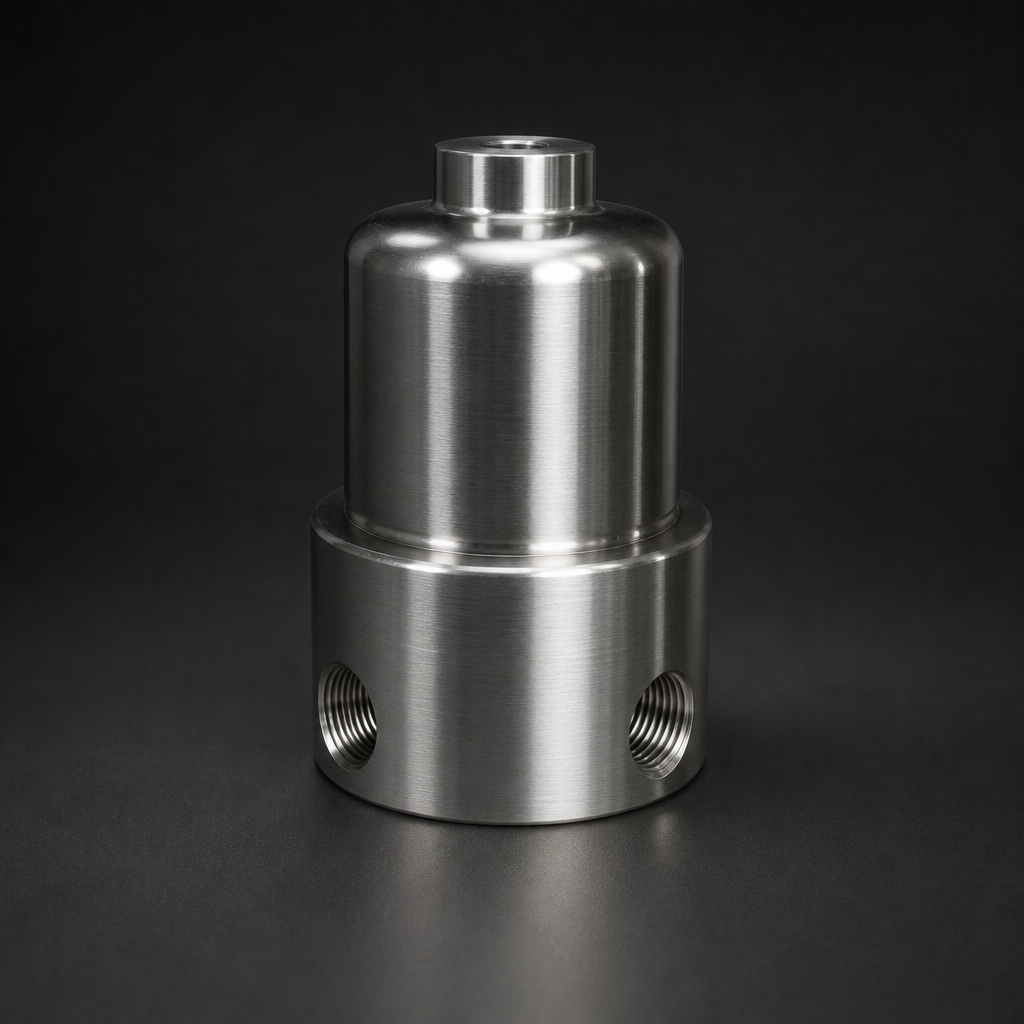
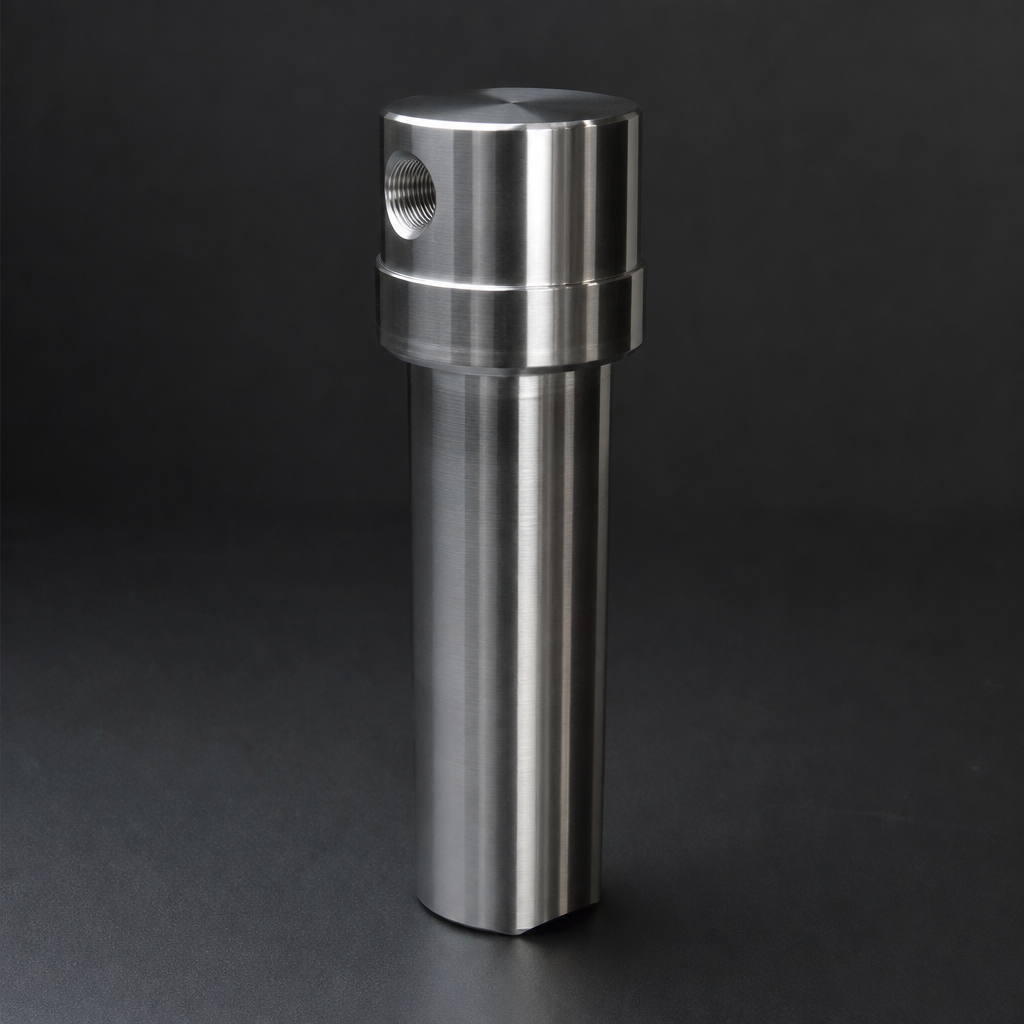
R+F FilterElements offers the RF-C element in a range of sizes to suit the flow rates typical of small-to-medium biogas upgrading plants (50–2,000 Nm³/h raw biogas input). The elements are housed in R+F branded stainless steel process gas housings from the RF-H-150 series, rated to 100 bar and constructed from 316L stainless steel for compatibility with H₂S-containing gas streams.
Stage 3 — Activated Carbon Adsorption
The final stage removes residual oil vapour, siloxanes, and trace H₂S that pass through the coalescing stage. Activated carbon adsorbers are the industry-standard solution for this duty. R+F FilterElements offers the RF-AC activated carbon adsorber element, which reduces residual oil content to below 0.003 mg/m³ — well within the limits required by PSA and membrane upgrading systems.
For biogas upgrading, the RF-AC element is typically installed in a dedicated adsorber vessel downstream of the coalescing filter. Where siloxane removal is also required, a molecular sieve adsorber (RF-DIA) can be installed in series. See our guide on inline adsorbers for gas treatment for sizing guidance.
Need help selecting the right filter for your biogas upgrading plant?
Comparing Filtration Requirements by Upgrading Technology
| Upgrading Technology | H₂S Limit (ppm) | Oil Limit (mg/m³) | Siloxane Sensitivity | Recommended R+F Stage |
|---|---|---|---|---|
| Pressure Swing Adsorption (PSA) | < 4 | < 0.01 | High | RF-DIL + RF-C + RF-AC |
| Water Scrubbing | < 300 | < 1 | Low | RF-DIL + RF-C |
| Amine Scrubbing | < 10 | < 0.1 | Medium | RF-DIL + RF-C + RF-AC |
| Membrane Separation | < 20 | < 0.1 | Very High | RF-DIL + RF-C + RF-AC + RF-DIA |
Use our free Engineering Tool to get a filtration recommendation for your specific application in under 2 minutes.
Material Selection for H₂S Service
Hydrogen sulphide is the most aggressive contaminant in biogas from a materials perspective. At concentrations above 500 ppm, H₂S causes stress corrosion cracking in carbon steel and degrades standard elastomers. For biogas upgrading duty, R+F FilterElements recommends:
- Housing material: 316L stainless steel (standard on RF-H-150 series process gas housings)
- Seal material: FKM/Viton for H₂S up to 200 °C, or PTFE for the most aggressive compositions
- Element type: K-type (sour gas) coalescing elements where H₂S exceeds 500 ppm
For further guidance on material selection in corrosive gas applications, see our article on coalescing vs particulate filter elements and the biogas filtration solutions page.
Sizing the Filtration System
Correct sizing of the filtration train is essential to avoid excessive pressure drop, premature element saturation, and unplanned shutdowns. Key parameters for biogas upgrading filtration sizing include:
- Raw biogas flow rate (Nm³/h at standard conditions)
- Operating pressure after compression (bar g)
- Operating temperature (°C)
- H₂S concentration (ppm)
- Siloxane content (mg/m³) — particularly for landfill gas and sewage sludge biogas
- Oil carryover from the compressor (mg/m³)
R+F FilterElements provides an online Engineering Sizing Tool that calculates the correct housing size, element type, and expected service life based on your process conditions. For complex biogas upgrading projects, the team at R+F FilterElements can provide a detailed filtration audit and system recommendation.
- Anaerobic digestion of organic waste — agricultural residues, food waste, sewage sludge — produces raw biogas with a typical composition of 50–70% methane (CH₄) and 30–50% carbon dioxide (CO₂), along with trace contaminants.
- Water vapour / liquid water:
- A well-designed biogas upgrading filtration system follows three sequential stages, each targeting a specific class of contaminant.
- Hydrogen sulphide is the most aggressive contaminant in biogas from a materials perspective.
Related Reading
- Coalescing vs Particulate Filter Elements — Which Do You Need?
- Inline Adsorbers for Gas Treatment — Sizing and Selection Guide
- ISO 8573-1 Compressed Air Quality Classes Explained
Try our Engineering Sizing Tool → or discuss your requirements with our team.