Acid-based electrochemical systems — including SO₂-depolarised electrolysers, redox flow batteries, and novel hydrogen storage cycles — are gaining traction as the energy transition accelerates. But the hydrogen they produce carries a hidden threat: fine sulphuric acid aerosols and water vapour that destroy conventional filtration equipment within hours. If your process relies on standard compressed-air filters, you are almost certainly facing premature failure, contaminated hydrogen, and costly unplanned downtime.
Why Standard Filters Fail in Acid Electrolyser Service
Conventional compressed-air filter housings are manufactured from aluminium alloy, and their filter elements are bonded with epoxy resins. Both materials are chemically incompatible with sulphuric acid (H₂SO₄), even at the low concentrations found in electrolyser off-gas streams. Aluminium corrodes rapidly in the presence of acid aerosols, producing aluminium sulphate deposits that contaminate the hydrogen stream and eventually cause housing failure. Epoxy binders dissolve, releasing fibres and particulate directly into the gas.
The failure mode is not gradual — it is catastrophic. Field reports from SO₂-depolarised electrolyser installations consistently show housing perforation and element disintegration within 24–72 hours of operation when standard equipment is used. For hydrogen applications where gas purity is critical for downstream compression, storage, or fuel cell use, this is an unacceptable risk.
Material Compatibility: What Works and What Does Not
Selecting the correct materials of construction is the single most important decision in acid electrolyser filtration. The table below summarises compatibility for the key wetted components:
| Material | H₂SO₄ Compatibility | Verdict |
|---|---|---|
| Aluminium alloy | Rapid corrosion, sulphate formation | ❌ NO |
| Carbon steel | Severe corrosion at all concentrations | ❌ NO |
| 316L stainless steel | Resistant to dilute H₂SO₄ aerosols (<10%) | ✅ YES |
| Hastelloy C-276 | Resistant to concentrated H₂SO₄ | ✅ YES (concentrated acid) |
| NBR seals | Degrades in acid service | ❌ NO |
| PTFE seals | Chemically inert to H₂SO₄ | ✅ YES |
| Epoxy-bonded elements | Binder dissolves, element disintegrates | ❌ NO |
| PVDF-bonded K-type elements | Resistant to acid, sour gas, H₂S | ✅ YES |
The Correct Multi-Stage Filtration Approach
Effective hydrogen purification from acid electrolysers requires a staged approach, with each stage targeting a specific contaminant class. R+F FilterElements recommends a three-stage configuration for most acid electrolyser duties:
Stage 1: Bulk Liquid Knockout
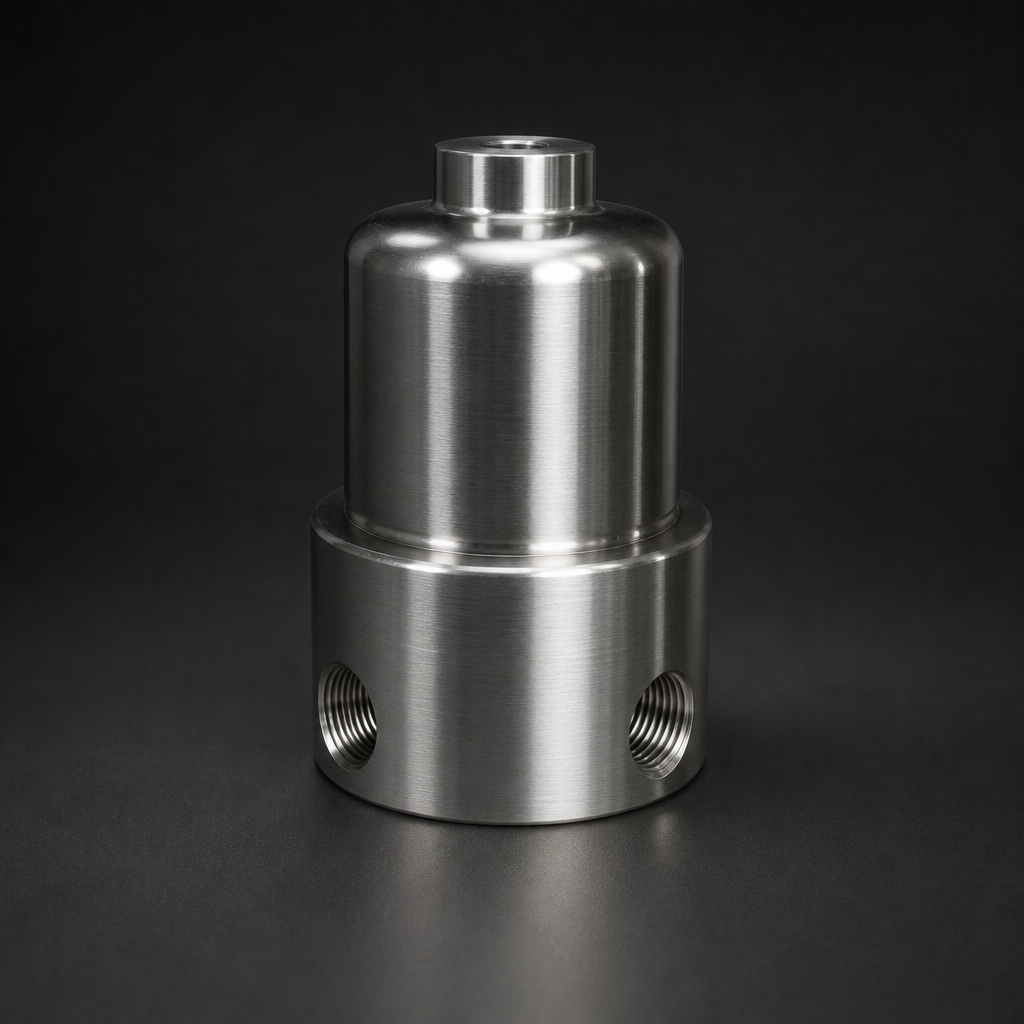
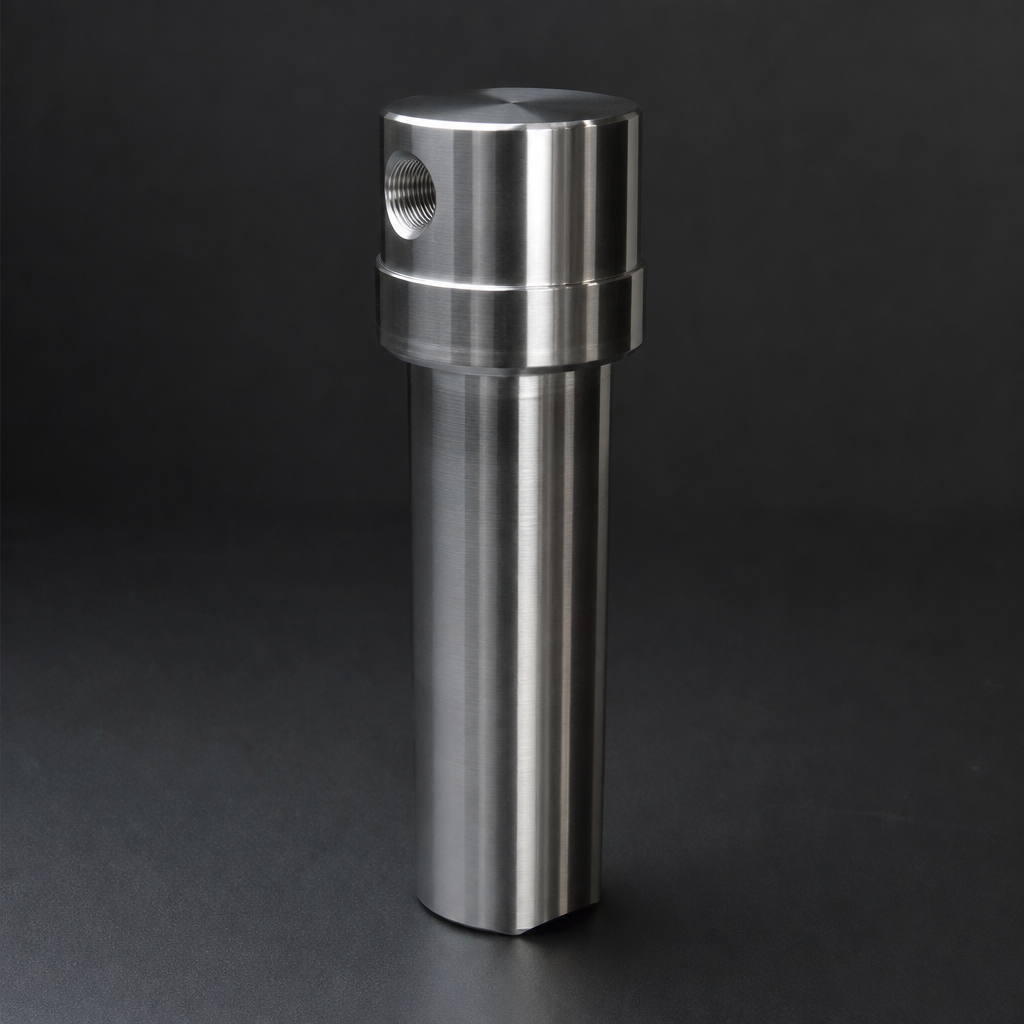
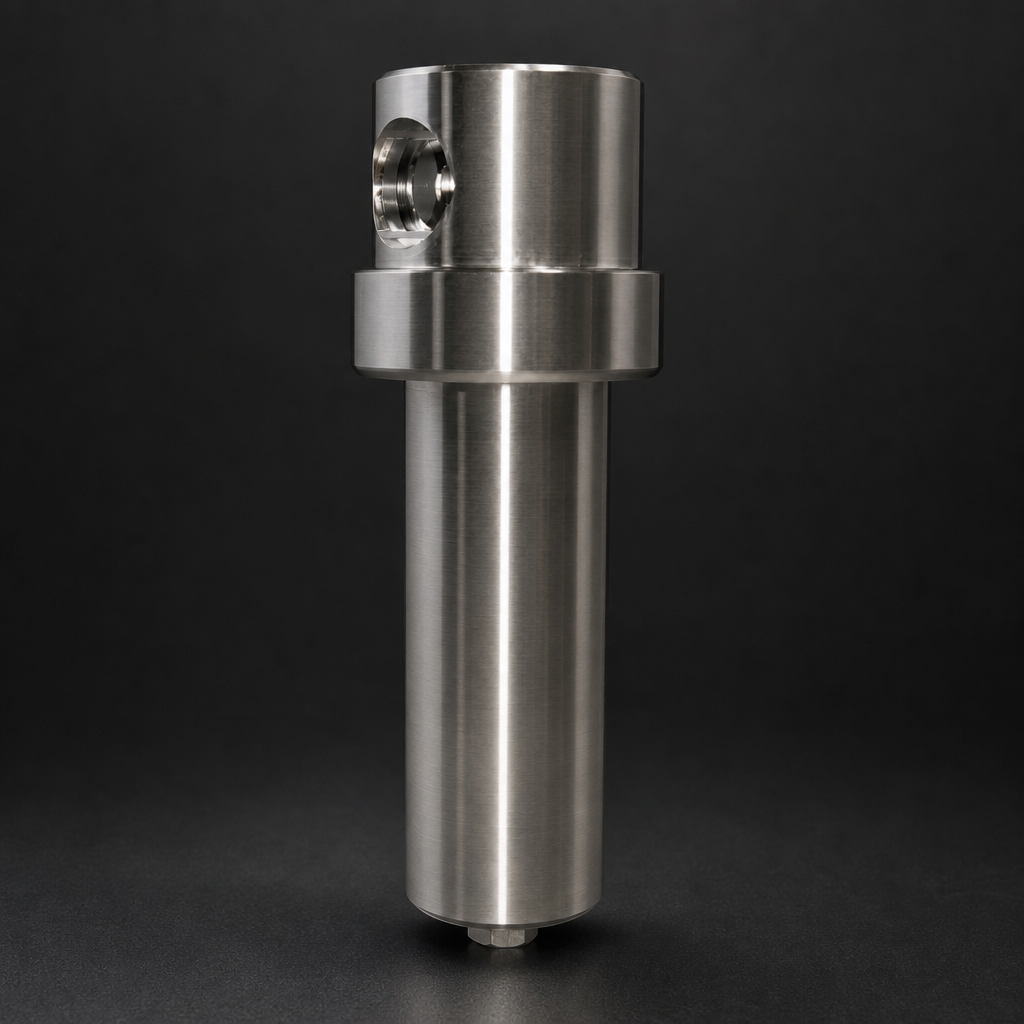
The first stage removes bulk liquid droplets — the largest acid aerosol particles and free water — using a coalescing filter housing with an automatic drain. The RF-H-130 and RF-H-132 process gas housings, manufactured from 316L stainless steel with PTFE seals, are designed for exactly this duty. The RF-H-132 variant includes an integrated drain port for continuous liquid removal, preventing liquid re-entrainment into the downstream stages. Operating pressure ratings up to 100 bar make these housings suitable for both low-pressure electrolyser outlets and post-compression duties.
Stage 2: Fine Coalescing — Sub-Micron Aerosol Removal
After bulk liquid removal, fine acid aerosols in the 0.1–1 µm range remain suspended in the hydrogen stream. These sub-micron droplets are the most damaging to downstream equipment — compressor valves, pressure regulators, and fuel cell membranes. The RF-C-25064-K coalescing element is the correct choice here. The K-type designation indicates a PVDF (polyvinylidene fluoride) binder system, replacing the standard epoxy binder with a chemically resistant alternative that withstands prolonged acid exposure. The borosilicate glass microfibre media achieves 99.99% efficiency at ≥ 0.1 µm, meeting ISO 8573-1 Class 1 for aerosols.
Stage 3: PTFE Membrane Separator (Optional Absolute Barrier)
For applications requiring an absolute liquid barrier before compression — particularly where downstream equipment is especially sensitive to acid contamination — the RF-GMS-170-SS membrane separator provides a PTFE hydrophobic membrane that physically prevents any liquid from passing downstream. Unlike coalescing elements, which rely on coalescence and drainage, the PTFE membrane acts as a true absolute barrier. This stage is particularly recommended for hydrogen destined for fuel cell use or high-purity storage.
Need help selecting the right filter for your acid electrolyser?
Use our free Engineering Tool to get a filtration recommendation for your specific application in under 2 minutes.
ATEX Considerations for Hydrogen Service
Hydrogen is classified as a Group IIC gas under ATEX/IECEx, with an extremely wide flammability range (4–75% v/v in air) and a minimum ignition energy of just 0.017 mJ. Any filtration equipment installed in hydrogen service must be assessed for ATEX compliance. Key requirements include:
- Housings must be earthed/bonded to prevent electrostatic charge accumulation
- All seals and non-metallic components must be evaluated for electrostatic discharge risk
- Drain valves and automatic drains must be rated for the ATEX zone classification
- 316L stainless steel housings are inherently non-sparking and suitable for Zone 1/Zone 2 installations
R+F FilterElements can provide material certification and documentation to support ATEX compliance assessments. Consult our engineering team for zone-specific guidance.
Specifying the Right Seal Material
Seal selection is frequently overlooked but is critical in acid electrolyser service. Standard NBR (nitrile) O-rings degrade rapidly in the presence of sulphuric acid, leading to seal failure and hydrogen leaks. PTFE seals — rated to 260 °C and chemically inert to virtually all acids — are the mandatory choice for this application. When ordering RF-H-130 or RF-H-132 housings for acid electrolyser duty, always specify PTFE seals explicitly; the standard configuration ships with NBR.
For a broader overview of filter element types and their chemical compatibility, see our guide to coalescing vs particulate filter elements. For general hydrogen filtration principles, the hydrogen electrolysis filtration guide provides a useful foundation before specifying acid-specific equipment.
- Conventional compressed-air filter housings are manufactured from aluminium alloy, and their filter elements are bonded with epoxy resins.
- Selecting the correct materials of construction is the single most important decision in acid electrolyser filtration.
- Effective hydrogen purification from acid electrolysers requires a staged approach, with each stage targeting a specific contaminant class.
- Hydrogen is classified as a Group IIC gas under ATEX/IECEx, with an extremely wide flammability range (4–75% v/v in air) and a minimum ignition energy of just 0.
Putting It All Together: Recommended Configuration
For a typical SO₂-depolarised electrolyser or redox flow battery hydrogen outlet, R+F FilterElements recommends the following configuration:
- Stage 1: RF-H-132 (316L SS, PTFE seals, drain port) with RF-C-25064-K element — bulk liquid and coarse aerosol removal
- Stage 2: RF-H-130 (316L SS, PTFE seals) with RF-C-25064-K element — fine sub-micron aerosol removal to ISO 8573-1 Class 1
- Stage 3 (optional): RF-GMS-170-SS membrane separator — absolute liquid barrier before compression
All housings should be specified with PTFE seals, 316L stainless steel construction, and earthing lugs for ATEX compliance. For concentrated acid duties or elevated temperatures, Hastelloy C-276 housings should be evaluated. Explore the full process gas filter range for housing options and sizing data.
Related Reading
- Hydrogen Electrolysis Filtration — A Complete Guide
- Coalescing vs Particulate Filter Elements: Which Do You Need?
- ISO 8573-1 Compressed Air Quality Classes Explained
Try our Engineering Sizing Tool → or discuss your requirements with our team.