Parker Balston filters are found in thousands of compressed air and process gas systems across Europe — and when it comes time to replace them, many engineers face the same question: how do I find a compatible alternative without risking downtime or contamination? This guide walks you through the cross-reference process, explains what to measure, and shows you exactly which R+F FilterElements products match the most common Balston codes.
Why Engineers Switch Away from Parker Balston
Parker Balston has long been a dominant name in coalescing and particulate filtration for compressed air and instrument gas systems. However, procurement teams and maintenance engineers increasingly look for alternatives due to long lead times, high OEM pricing, and the difficulty of sourcing elements for older housing models. R+F FilterElements, a German-based filtration specialist, offers a comprehensive range of drop-in replacement elements that meet or exceed the original performance specifications.
The most commonly replaced Balston codes include the 100-12-BX (a 1-inch diameter coalescing element) and the 050-05-BX (a smaller particulate element used in instrument and analyser applications). Both have direct dimensional equivalents in the R+F range. You can explore the full R+F filter elements catalogue to see all available sizes and grades.
How to Cross-Reference by Dimensions
The most reliable method for finding a Parker Balston replacement filter is dimensional cross-referencing. Balston part numbers encode some dimensional information, but the encoding is not always consistent across product generations. Instead, measure or look up the following three values from your existing element:
- Inner diameter (ID) — the bore through which the gas passes (or the centre tube OD for outside-in flow elements)
- Outer diameter (OD) — the overall element diameter
- Length — the usable filter length, excluding end caps
R+F elements are manufactured to standard metric dimensions (mm) and also stocked in inch-equivalent sizes for direct OEM replacement. The table below shows the most common Balston codes and their R+F equivalents.
| Balston Code | Type | ID × OD × Length (mm) | R+F Equivalent | Grade |
|---|---|---|---|---|
| 100-12-BX | Coalescing | 25 × 51 × 178 | RF-C-25178 | 0.01 µm coalescing |
| 050-05-BX | Particulate | 12 × 32 × 57 | RF-P-12057 | 0.3 µm particulate |
| 100-20-BX | Coalescing | 25 × 51 × 230 | RF-C-25230 | 0.01 µm coalescing |
| 150-12-BX | Coalescing | 51 × 76 × 230 | RF-C-51230 | 0.01 µm coalescing |
| 150-20-BX | Coalescing | 51 × 76 × 476 | RF-C-51476 | 0.01 µm coalescing |
If your Balston code is not listed above, the R+F Engineering Sizing Tool allows you to enter dimensions directly and returns matching elements from the full product range.
Performance Specifications: R+F vs. Balston
A common concern when switching from a named OEM brand is whether the replacement element will match the original filtration performance. R+F coalescing elements use borosilicate glass microfibre media — the same technology used in the Balston BX-grade elements — and are independently tested to ISO 8573-1 standards. The key performance figures are comparable or superior across all grades.
For applications requiring activated carbon polishing after coalescing — a common configuration in Balston two-stage systems — the RF-DIL inline filter and RF-AC adsorption element provide an equivalent downstream stage, achieving residual oil content below 0.003 mg/m³ (ISO 8573-1 Class 1 for oil vapour).
Need help selecting the right Parker Balston replacement filter?
Replacing Balston Elements in Existing Housings
One of the most practical advantages of the R+F replacement approach is that you do not need to replace the housing — only the element. Balston housings use standard thread connections and element retention designs that are compatible with R+F elements of the same dimensions. The end-cap seal material should be checked: Balston BX elements typically use NBR seals, which are suitable up to 100 °C. If your application runs hotter or involves aggressive gases, R+F elements are available with FKM/Viton seals (up to 200 °C) or PTFE seals (up to 260 °C) at no additional lead time.
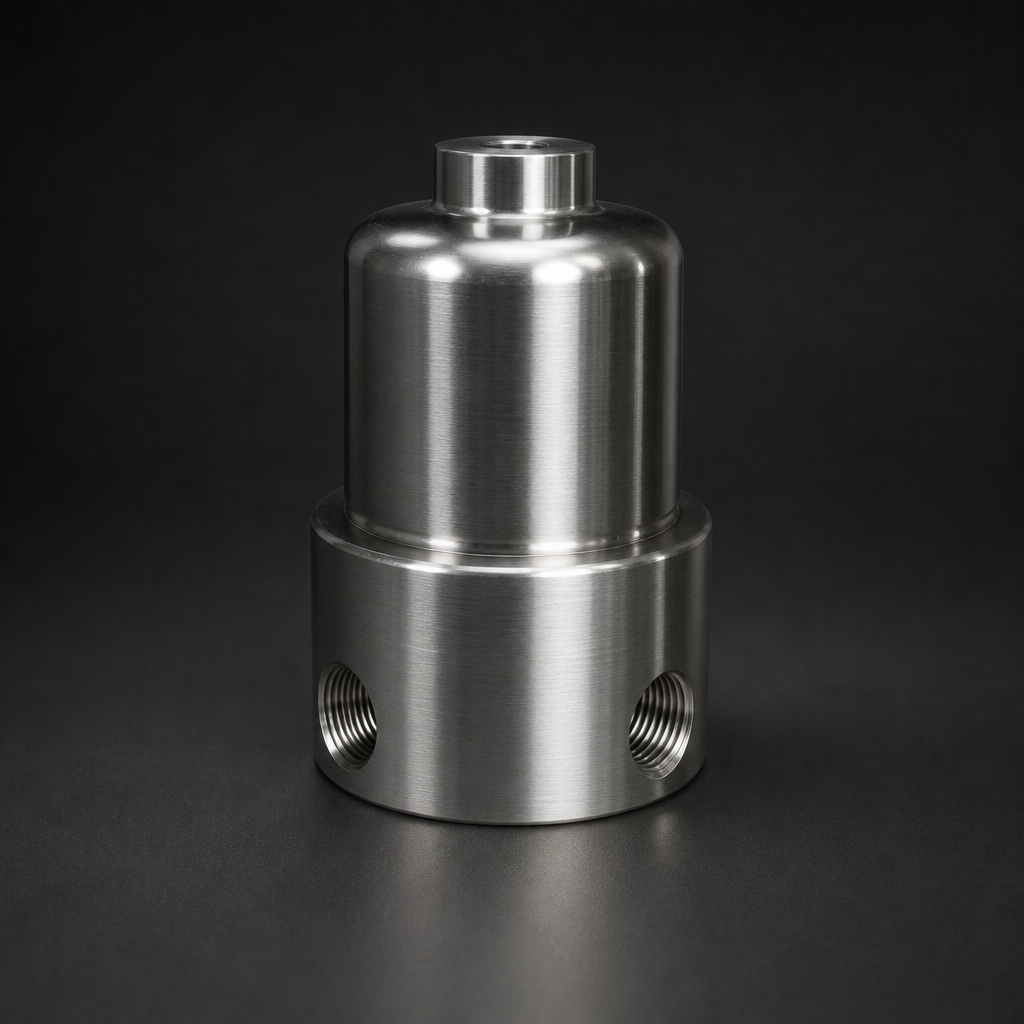
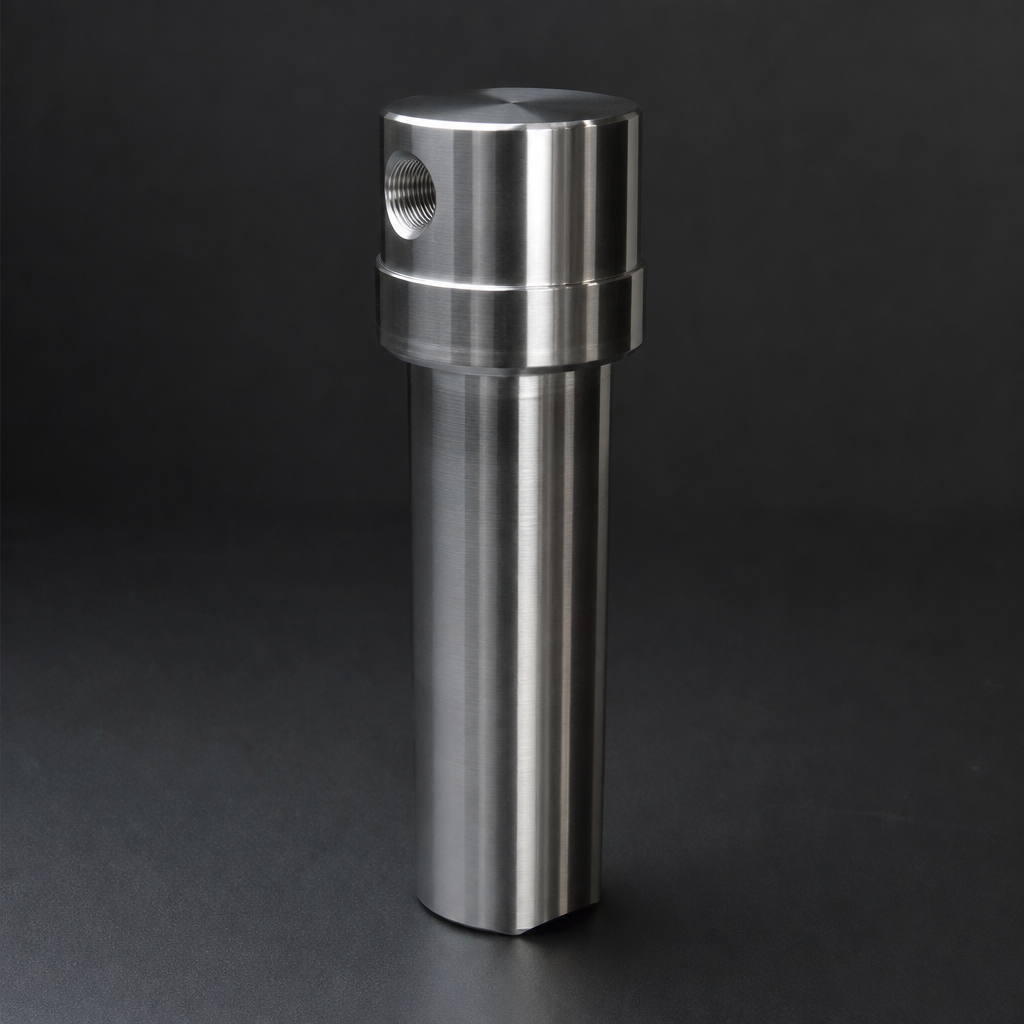
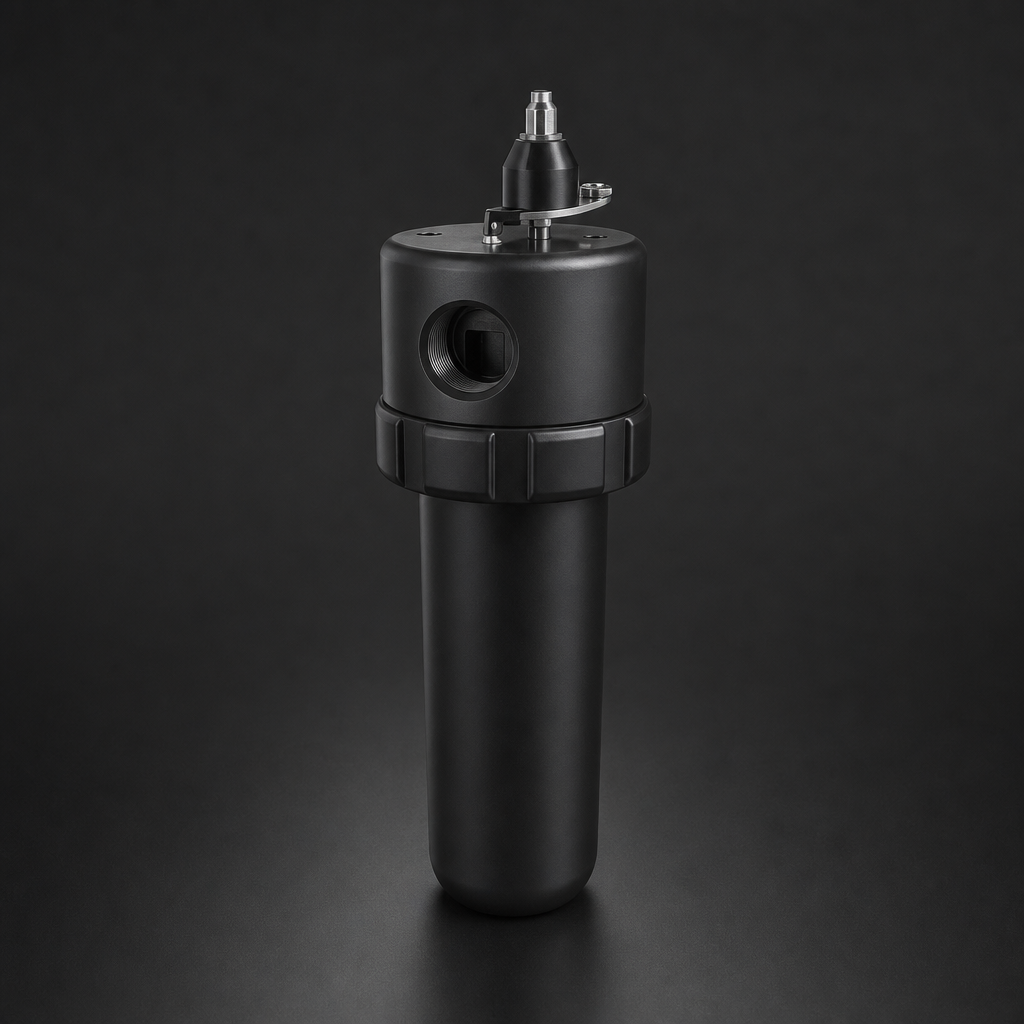
For applications where the Balston housing itself has reached end-of-life, R+F offers a full range of compressed air filter housings (RF-H-310 to RF-H-395 series) in aluminium and polycarbonate bowl configurations, covering flow rates from a few Nm³/h up to 12,000 Nm³/h. These housings accept the same RF-C and RF-P elements, making future maintenance straightforward.
Use our free Engineering Tool to get a filtration recommendation for your specific application in under 2 minutes.
Instrument and Analyser Applications
Balston's instrument-grade filters — particularly the 050-series — are widely used in sample conditioning and analyser protection systems. These applications demand the highest filtration integrity, as contamination can damage sensitive analytical instruments or skew measurement results. The R+F equivalent for these duties is the instrumentation filter range, which includes 316L stainless steel housings (RF-H-110 to RF-H-170 series) rated to 700 bar for high-pressure sample lines.
For point-of-use protection immediately upstream of an analyser, the RF-DIL disposable inline filter provides a compact, low-dead-volume solution that can be replaced without tools. This is particularly useful in gas chromatography and process analyser installations where the Balston 050-05-BX was previously used as a final guard filter.
Ordering and Lead Times
Standard R+F replacement elements for the most common Balston codes (RF-C-25178, RF-P-12057, RF-C-51230, RF-C-51476) are held in stock in Hildesheim, Germany, with same-day despatch for orders placed before 14:00 CET. Less common sizes are typically available within 5–10 working days. For large-volume or scheduled maintenance contracts, R+F can supply elements on a consignment or blanket order basis to eliminate procurement delays.
To confirm the correct replacement for your specific Balston code, use the Engineering Sizing Tool or contact the R+F team directly with your existing element dimensions and housing model.
- Parker Balston has long been a dominant name in coalescing and particulate filtration for compressed air and instrument gas systems.
- The most reliable method for finding a Parker Balston replacement filter is dimensional cross-referencing.
- A common concern when switching from a named OEM brand is whether the replacement element will match the original filtration performance.
- One of the most practical advantages of the R+F replacement approach is that you do not need to replace the housing — only the element.
Related Reading
- Coalescing vs Particulate Filter Elements — Which Do You Need?
- ISO 8573-1 Compressed Air Quality Classes Explained
- Oxygen Filtration Safety — What Every Engineer Should Know
Try our Engineering Sizing Tool → or discuss your requirements with our team.