In wine and spirits production, the invisible gases surrounding your product matter as much as the liquid itself. Nitrogen (N₂) and carbon dioxide (CO₂) blanketing protect wine from oxidation during storage, transfer, and bottling — yet a single contamination event from poorly filtered gas can introduce off-flavours, hazes, or microbial spoilage that ruins an entire batch. For winemakers and distillers who have invested months or years in their product, gas quality is not an afterthought: it is a critical process parameter.
Why Gas Purity Matters in Winemaking
Oxygen is the enemy of wine stability. Even trace exposure during tank transfers, barrel topping, or bottling can trigger oxidation reactions that degrade delicate aromas, flatten mouthfeel, and shorten shelf life. Inert gas blanketing — typically N₂ or CO₂ — displaces oxygen from headspaces and transfer lines, creating a protective atmosphere. But the gas itself must be clean.
Oil contamination from compressors is a particular concern. Even food-grade compressor oils, if present as aerosols at concentrations above 0.01 mg/m³, can impart detectable taints in sensitive white wines and sparkling products. Particulate matter — rust, pipe scale, carbon fines — can cloud a wine or block sterile filtration membranes downstream. Moisture in blanketing gas promotes microbial growth in headspaces and can dilute or destabilise wine in open-top fermenters.
For sparkling wine and Champagne production, the stakes are even higher. CO₂ used for secondary fermentation or dosage must meet strict purity standards, and any contamination introduced at this stage is locked into the finished product. Gas quality management is therefore a non-negotiable part of quality assurance in premium beverage production.
Gas Quality Standards for Food and Beverage Applications
The food and beverage industry operates under strict hygiene and purity requirements. For gases in direct or indirect contact with food products, the relevant framework includes:
- ISO 8573-1 — the international standard for compressed air quality, defining classes for particulate, moisture, and oil content
- EIGA IGC Doc 70 — European Industrial Gases Association guidelines for food-grade gas quality
- EC Regulation 1333/2008 — EU food additives regulation covering CO₂ and N₂ used in food processing
For blanketing applications, a minimum of ISO 8573-1 Class 2 for oil (≤ 0.1 mg/m³) and Class 2 for particulate (≤ 1 µm at ≥ 99.99% efficiency) is typically required. For direct product contact — such as sparkling wine carbonation or tank purging — Class 1 oil (≤ 0.01 mg/m³) is strongly recommended.
Recommended Filtration Train for Winery and Distillery Gas Lines
A properly designed gas filtration train for wine and spirits production typically comprises three stages, each addressing a specific contamination class. R+F FilterElements offers a complete range of filter elements and housings suited to food and beverage gas applications.
Stage 1 — Coalescing Filtration (Oil and Aerosol Removal)
The first stage removes bulk liquid water, oil aerosols, and sub-micron oil mist from the gas stream. R+F branded RF-C coalescing elements use borosilicate glass microfibre media to achieve 99.99% efficiency at ≥ 0.1 µm. These elements are available from R+F FilterElements in a range of sizes to suit flow rates from small cellar installations to large-scale production facilities.
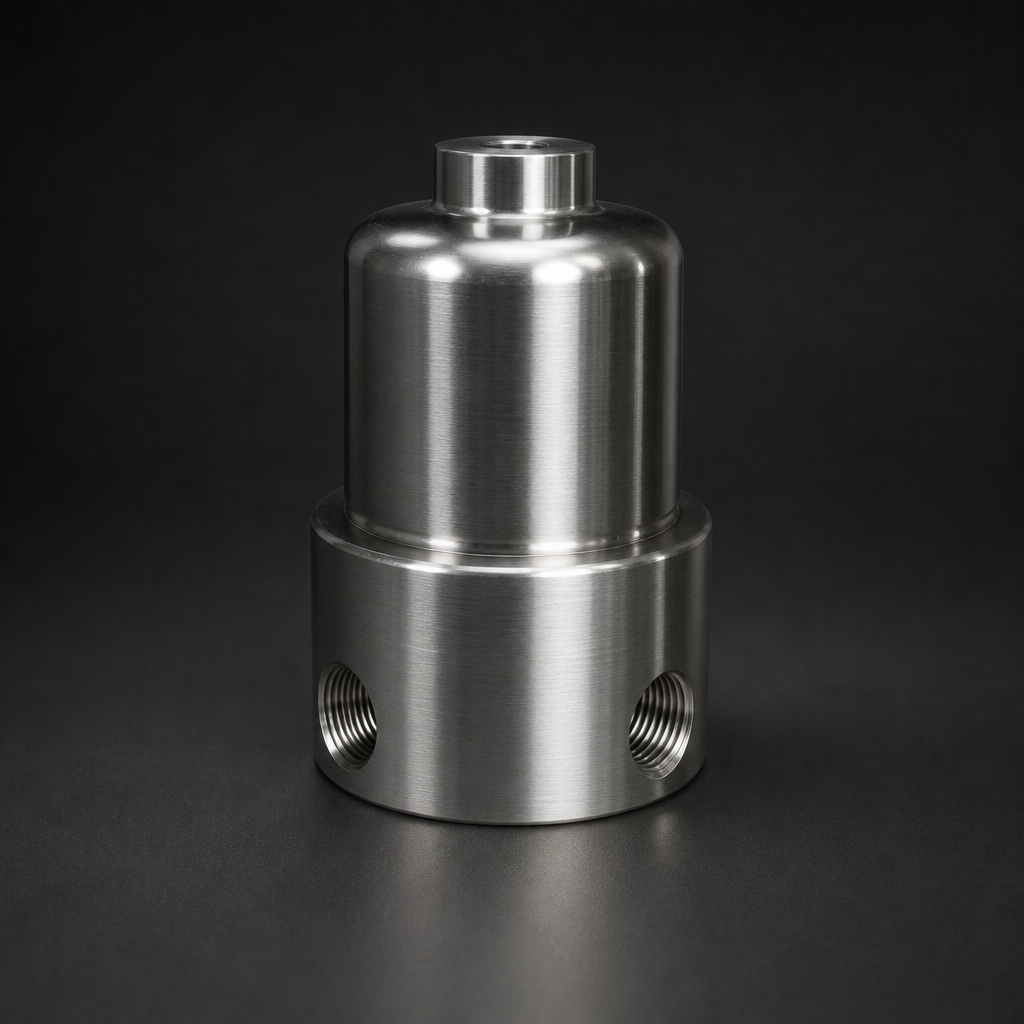
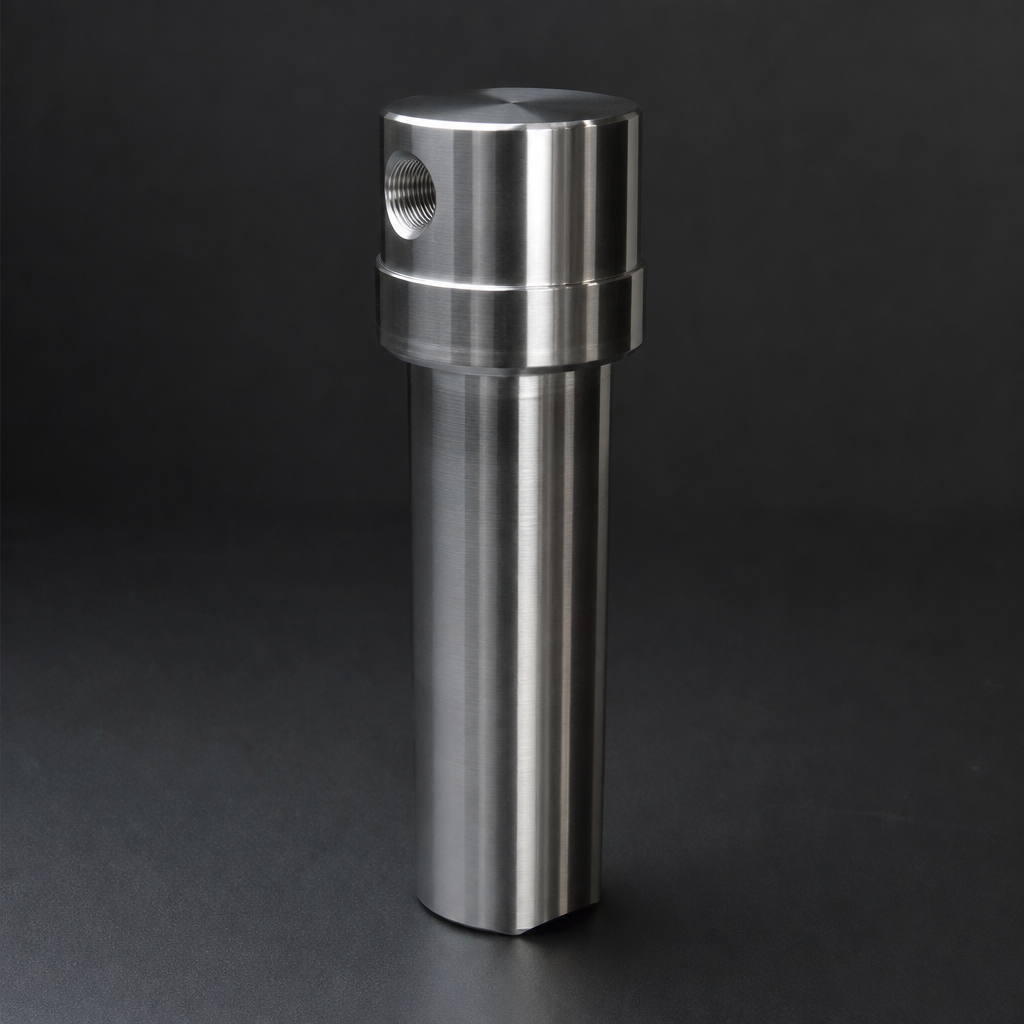
For winery applications with flow rates up to 500 Nm³/h, the RF-H-310 to RF-H-360 series housings fitted with RF-C elements provide reliable coalescing performance. The aluminium housings are compatible with N₂ and CO₂ service and are rated to 17 bar — well above typical blanketing pressures of 0.5–3 bar.
Stage 2 — Activated Carbon Adsorption (Odour and Taste Removal)
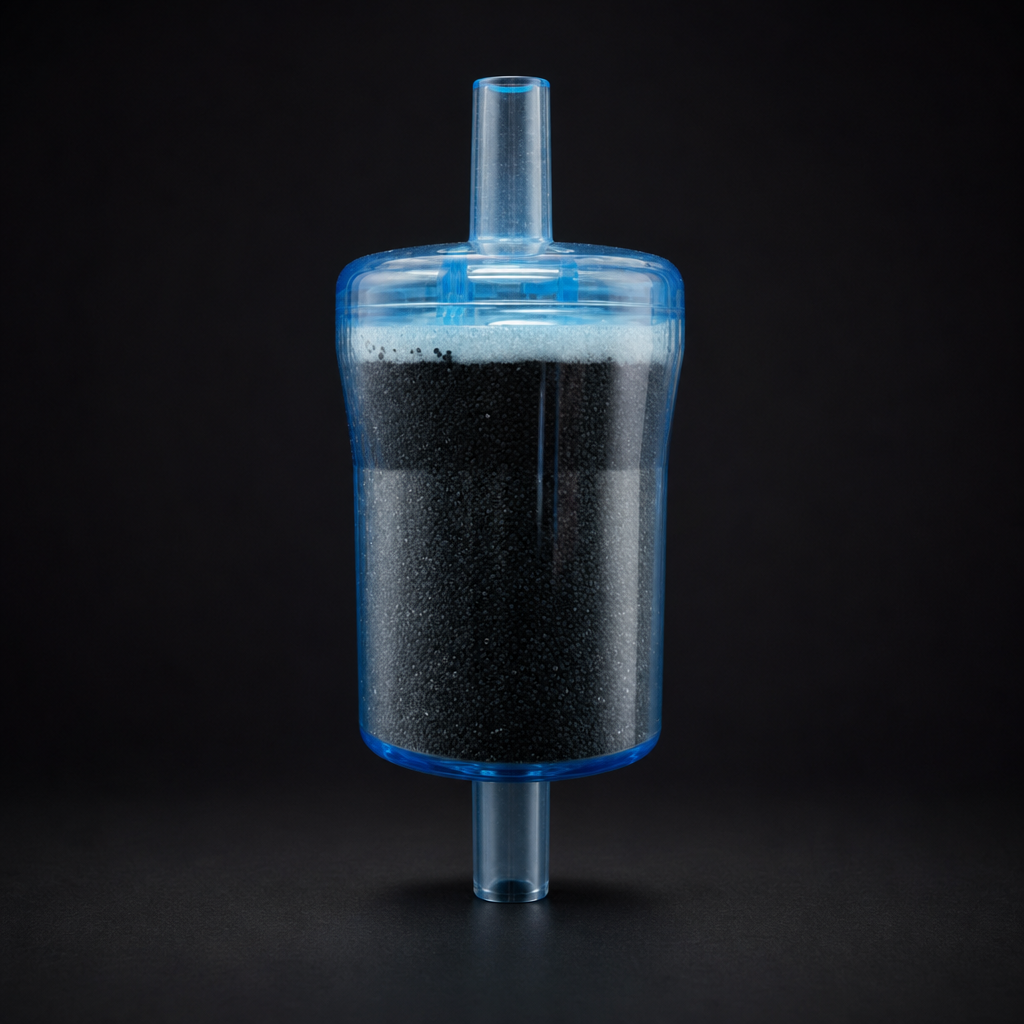
Even after coalescing, trace hydrocarbon vapours and odorous compounds may remain in the gas stream. An activated carbon adsorption stage using RF-AC elements or RF-DIA disposable inline adsorbers removes these residual contaminants to below 0.003 mg/m³ residual oil equivalent. This stage is particularly important for sparkling wine and premium spirits where gas purity directly affects product character.
Stage 3 — Sterile / Point-of-Use Filtration
The final stage before gas enters the product zone uses RF-DIL disposable inline filters or sterile-grade particulate elements to remove any residual particulate and microorganisms. For sparkling wine production, where CO₂ contacts the wine directly, a 0.2 µm sterile-grade filter at the point of use is standard practice. RF-DIL filters are available in both standard and sterile grades and can be replaced without tools, minimising downtime during production.
Need help selecting the right filter for your winery or distillery gas line?
Use our free Engineering Tool to get a filtration recommendation for your specific application in under 2 minutes.
Comparing Filtration Options for Wine and Spirits Gas Lines
| Filter Stage | R+F Product | Removes | ISO 8573-1 Class Achieved |
|---|---|---|---|
| Coalescing | RF-C elements in RF-H-310/360 housing | Oil aerosols ≥ 0.1 µm, bulk water | Oil Class 2 (≤ 0.1 mg/m³) |
| Activated Carbon | RF-AC elements / RF-DIA inline adsorber | Hydrocarbon vapours, odours, taste compounds | Oil Class 1 (≤ 0.01 mg/m³) |
| Sterile / Point-of-Use | RF-DIL disposable inline filter | Particulate ≥ 0.2 µm, microorganisms | Particulate Class 1 |
Special Considerations for Sparkling Wine and Spirits
Sparkling wine production introduces additional complexity. CO₂ used for secondary fermentation in tank (Charmat method) or for dosage in traditional method wines must be of beverage-grade purity. Any sulphur compounds, acetaldehyde, or hydrocarbon taints in the CO₂ will be dissolved into the wine and become detectable in the finished product.
For distilleries, nitrogen is commonly used to blanket spirit receivers, cask filling lines, and bottling tanks. The relatively high alcohol content of spirits provides some protection against microbial contamination, but oil and particulate contamination from gas lines can still cause haze formation or affect spirit character. A two-stage filtration train — coalescing followed by activated carbon — is the minimum recommended configuration for distillery gas lines.
R+F FilterElements also offers RF-GMS-170 PTFE membrane separators for applications where absolute liquid barrier protection is required — for example, on CO₂ lines where condensation risk is high or where the gas supply pressure fluctuates significantly.
For a broader understanding of how filter element selection affects gas quality outcomes, see our guide on coalescing vs particulate filter elements.
- Oxygen is the enemy of wine stability.
- EC Regulation 1333/2008
- A properly designed gas filtration train for wine and spirits production typically comprises three stages, each addressing a specific contamination class.
- Sparkling wine production introduces additional complexity.
Installation and Maintenance Best Practice
Even the best filtration equipment will underperform if installed or maintained incorrectly. Key recommendations for winery and distillery gas filtration systems include:
- Install filters as close to the point of use as practical — long unfiltered pipe runs between the filter and the tank introduce recontamination risk
- Orient coalescing filter housings vertically with the drain at the bottom to allow collected liquid to drain by gravity
- Fit automatic drain valves on coalescing housings in high-throughput applications to prevent liquid re-entrainment
- Log differential pressure across each filter stage — a rising ΔP indicates element loading and approaching replacement interval
- Replace RF-DIL point-of-use filters after each production campaign or at least annually
For guidance on sizing your filtration system to match your production flow rates, use the R+F Engineering Sizing Tool, which calculates recommended housing sizes and element grades based on your gas type, flow rate, and target quality class.
Try our Engineering Sizing Tool → or discuss your requirements with our team.