
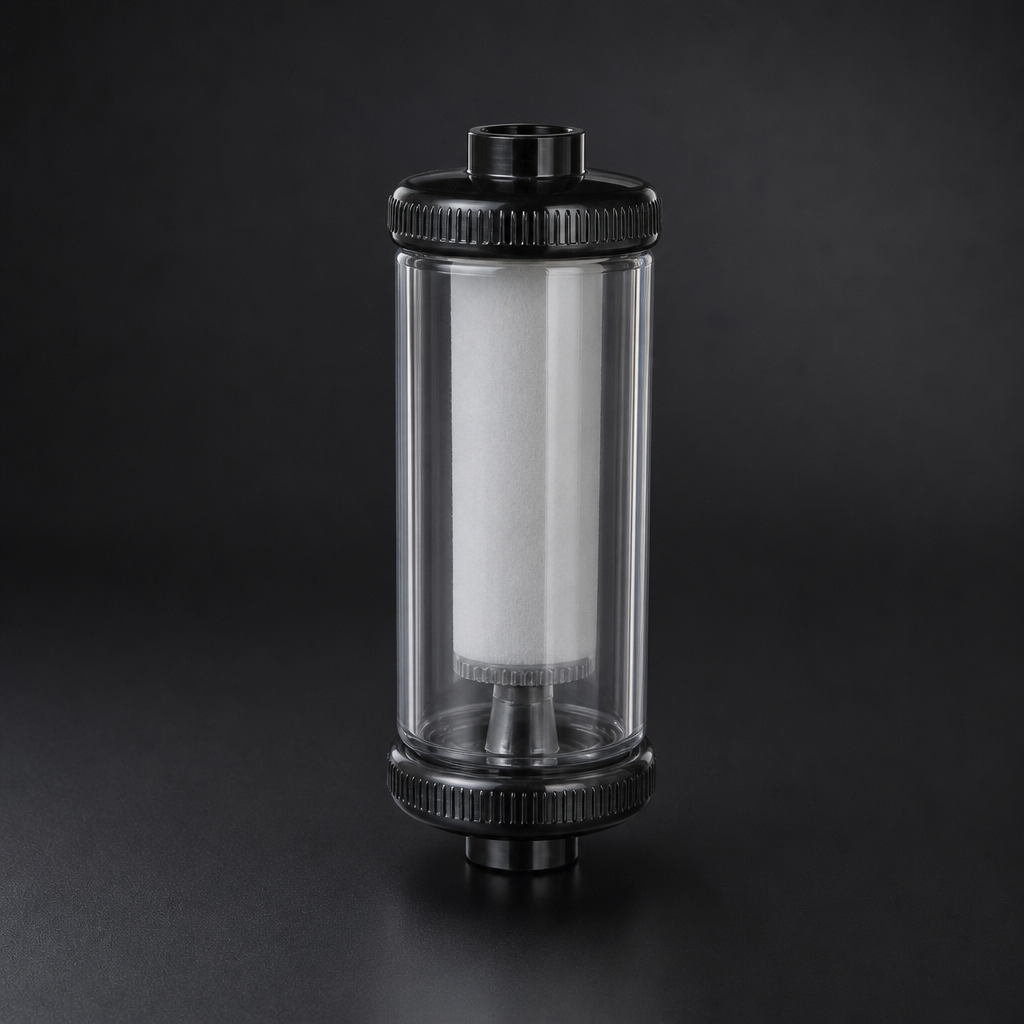
Oil Mist in the Workspace — Occupational Health, Compliance, and Filtration
That thin oil film on every surface near your vacuum pumps? It is not just a nuisance — it represents airborne oil mist your operators are breathing. Most occupational exposure limits are well below what an unfiltered pump exhausts.
Recognise the Symptoms
- Visible oil mist or haze near vacuum pumps or engine exhausts
- Oil film accumulation on walls, floors, or equipment
- Employee complaints about air quality, respiratory irritation, or slippery floors
- Failed workplace air quality measurements or occupational health audits
- Elevated oil aerosol levels in enclosed or poorly ventilated spaces
Root Causes
Unfiltered vacuum pump exhaust
oil-sealed rotary vane pumps exhaust 5–50 mg/m³ oil aerosol, well above typical OEL values of 5 mg/m³
Unfiltered crankcase ventilation
engines with open crankcase ventilation vent oil mist directly into the engine room or workspace
Failed or saturated exhaust filters
when the coalescing element is blocked, oil bypasses the filter and is vented unfiltered
Exhaust piped indoors
even with filtration, exhaust should ideally be piped to a ventilated area or outdoors where regulations allow
Inadequate room ventilation
in enclosed spaces, even small residual oil mist concentrations accumulate over time
Diagnostic Checklist
- 1Is exhaust filtration installed on all oil-sealed vacuum pumps?
- 2When were exhaust filter elements last replaced?
- 3Is the vacuum pump exhaust piped outdoors or vented into the workspace?
- 4Has a workplace air quality measurement been performed?
- 5Are there engines with open crankcase ventilation in the same space?
- 6What is the ventilation rate (air changes per hour) in the affected area?
Find the right filter for this problem
Enter your operating data and let our tools point you to the right element and housing — or send us your details for a tailored recommendation.
Element Finder
RecommendedIdentify the right filter element for your medium and duty in under 60 seconds — recommended starting point.
Find your elementUse Housing Selector
Select the matching housing — material, pressure rating, connections and drain.
Select a housingRequest a Consultation
Prefer a person? Send your operating data and we will recommend the right configuration.
Send enquiryRelated Applications
Recommended Products
Describe Your Situation — We Will Find the Right Solution
Every filtration problem has specific root causes that require specific solutions. Send us your operating conditions and we will provide a tailored recommendation.