Acetylene (C₂H₂) is one of the most energetically unstable industrial gases in common use. Unlike most process gases, it does not simply burn — under certain conditions it can decompose explosively without any oxygen present. For engineers specifying filtration systems for acetylene service, this single characteristic changes almost every design decision: pressure limits, material selection, flow velocity, and the mandatory inclusion of flash-back arrestors all become critical safety constraints rather than optional considerations.
Why Acetylene Behaves Differently to Other Fuel Gases
Most engineers are familiar with the flammability hazards of gases such as hydrogen, methane, or propane. Acetylene shares these risks but adds a unique decomposition hazard. The triple bond in C₂H₂ stores a large amount of chemical energy — approximately 226 kJ/mol — which can be released rapidly if the molecule is destabilised by heat, shock, or elevated pressure.
In practical terms, this means that acetylene must never be stored or transported at gauge pressures above 1.5 bar in free gas form. Above this threshold, the risk of spontaneous decomposition increases sharply. Dissolved acetylene (in acetone or DMF, as used in standard cylinders) is safer at higher pressures, but once the gas is drawn off and enters a process line, the 1.5 bar limit applies immediately.
For filtration engineers, this creates a hard upper boundary on system operating pressure that is far lower than for any other common process gas. A filter housing rated to 100 bar for hydrogen service is entirely unsuitable for acetylene — not because of mechanical failure risk, but because the gas itself becomes hazardous at a fraction of that pressure.
Material Compatibility: The Copper Prohibition
Beyond pressure limits, acetylene imposes strict material constraints. Acetylene reacts with copper, silver, and mercury to form highly sensitive metal acetylides — compounds that are shock-sensitive and can detonate with minimal provocation. Copper acetylide (Cu₂C₂) in particular is a well-documented hazard in acetylene systems and has been responsible for serious industrial accidents.
The practical consequence for filter specification is absolute: no component in contact with acetylene gas may contain more than 65% copper by mass. This rules out standard brass fittings, bronze valve bodies, and many standard instrumentation components. Acceptable materials include:
- 316L stainless steel — the preferred choice for housings, fittings, and tubing
- Carbon steel — acceptable for larger housings where stainless is impractical
- Aluminium alloys — acceptable for housings, but check alloy composition
- PTFE and FKM/Viton — suitable seal materials with good chemical resistance
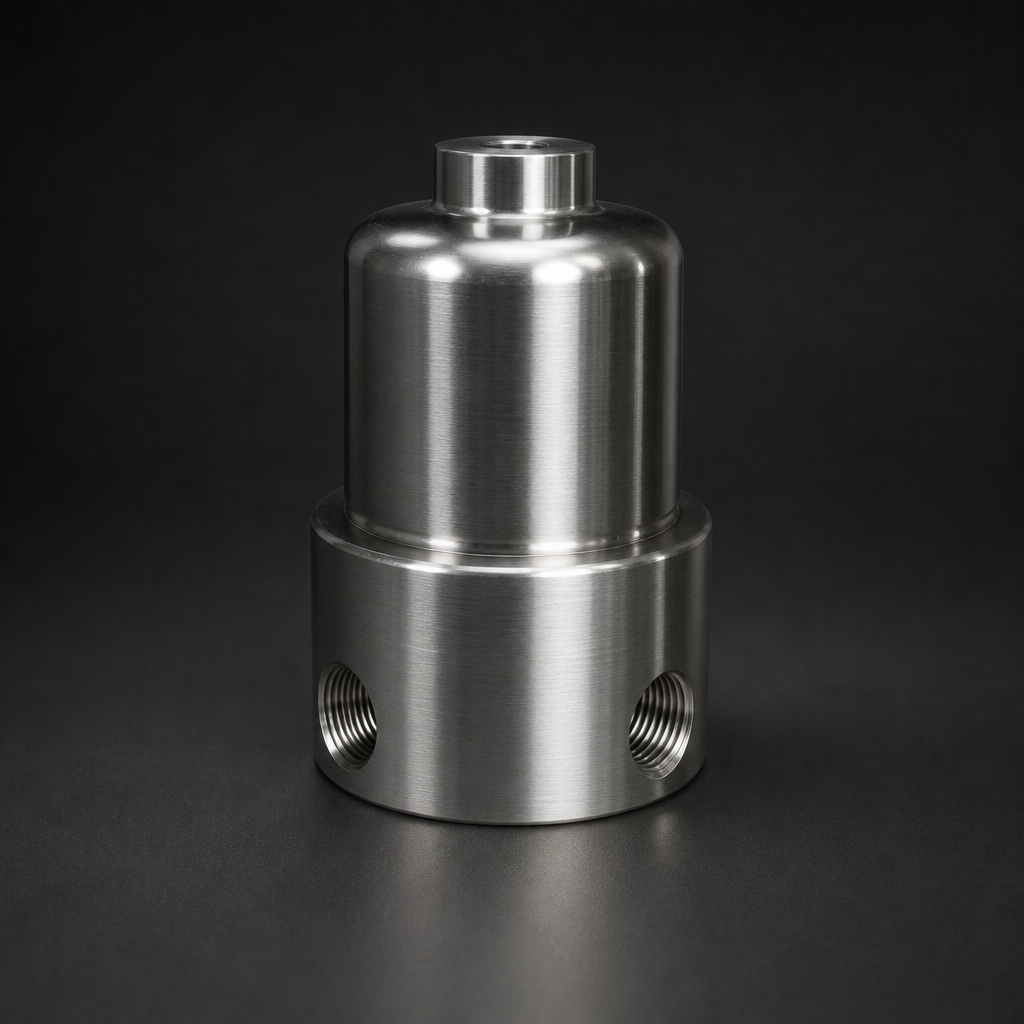
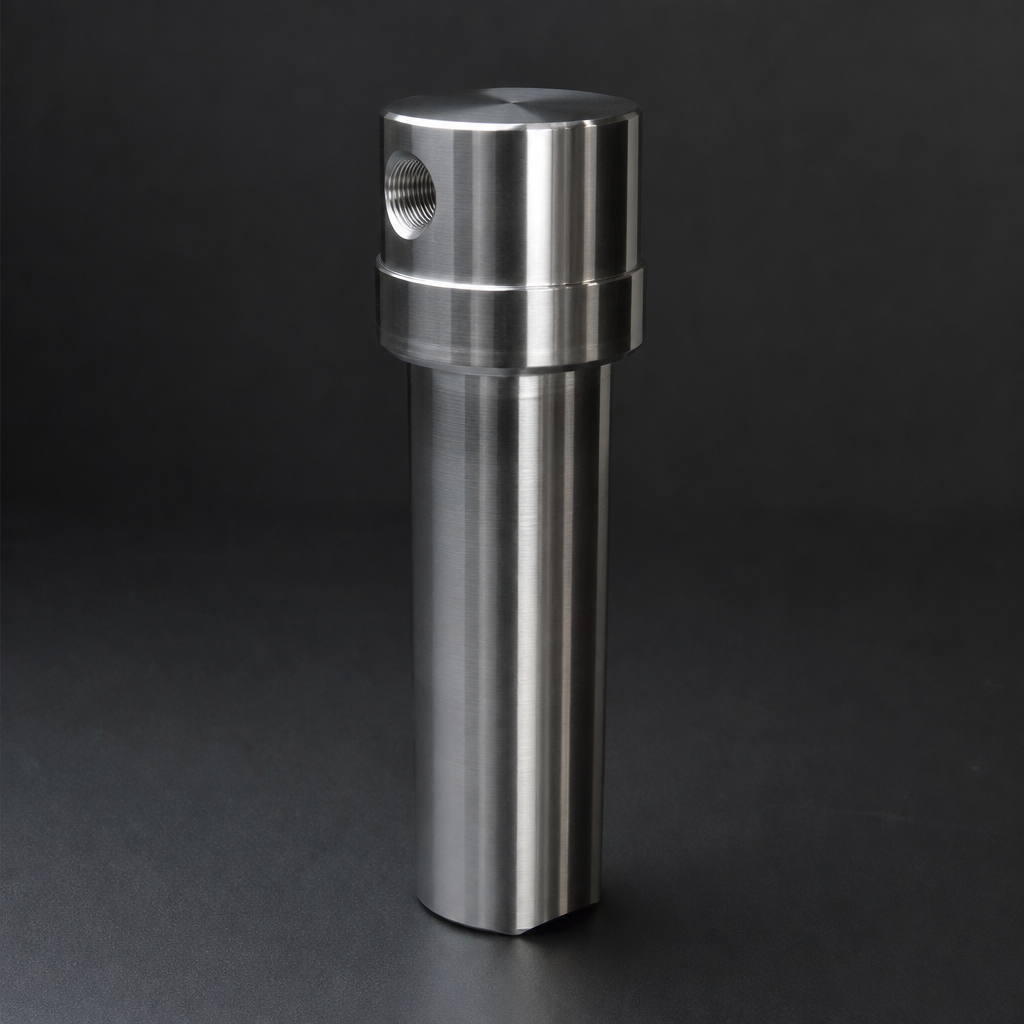
R+F FilterElements' process gas filter range uses 316L stainless steel housings throughout, making the RF-H-150 and RF-H-160 series inherently compatible with acetylene service from a materials standpoint. The RF-H-150 is particularly well-suited to low-pressure acetylene lines, with its compact 316L body and PTFE-sealed connections.
Key Performance Statistics for Acetylene Filtration
Select appropriate filter elements
Flash-Back Arrestors: A Non-Negotiable Safety Component
No discussion of acetylene filtration is complete without addressing flash-back arrestors (also called flame arrestors or flash arrestors). These devices prevent a flame front from propagating back through the gas supply line — a critical risk in welding and cutting applications where acetylene is used with oxygen.
Flash-back arrestors must be installed at the cylinder outlet, at the regulator outlet, and at the torch inlet for welding applications. In process gas systems, they are required wherever there is a risk of ignition — for example, downstream of a filter where the gas enters a heated zone or a reactor.
Importantly, flash-back arrestors are separate from filtration equipment and must not be confused with filter housings. A filter removes particulate contamination and liquid carryover; a flash-back arrestor prevents flame propagation. Both are required in a properly designed acetylene system. R+F FilterElements can advise on the correct placement of both components within your process gas system design.
Use our free Engineering Tool to get a filtration recommendation for your specific application in under 2 minutes.
Filter Design Constraints for Acetylene Service
| Design Parameter | Standard Process Gas | Acetylene Service |
|---|---|---|
| Max operating pressure | Up to 400 bar (application-dependent) | 1.5 bar (g) maximum |
| Housing material | 316L SS, aluminium, or carbon steel | 316L SS or aluminium only (no brass/bronze) |
| Fitting/connection material | Brass acceptable | Brass prohibited — SS or aluminium only |
| Seal material | NBR, FKM, EPDM, PTFE | FKM/Viton or PTFE preferred |
| Flash-back arrestor | Not typically required | Mandatory — separate from filter |
| Flow velocity | Standard design velocity | Keep low to avoid pressure spikes |
Selecting the Right Filter Element for Acetylene
The filter element itself must also be compatible with acetylene. Borosilicate glass microfibre elements — such as the R+F branded RF-C coalescing elements — are chemically inert and suitable for acetylene service. The glass fibre matrix does not react with C₂H₂ and provides reliable particulate and aerosol removal at the low pressures typical of acetylene systems.
For particulate removal in acetylene lines, the RF-P particulate filter elements offer 99.99% efficiency at ≥ 0.3 µm. These elements use a borosilicate glass microfibre construction with no copper-containing binders or end-cap materials, making them fully compatible with acetylene service requirements.
Where acetylene is used in analytical or laboratory applications — for example, as a fuel gas in atomic absorption spectroscopy — the RF-H-110 to RF-H-170 instrumentation filter series provides the precision filtration needed to protect sensitive instruments. These 316L stainless steel housings are available with PTFE-sealed connections and can be configured for the low flow rates typical of laboratory acetylene supply.
It is worth noting that acetylene filtration requirements differ significantly from those for other fuel gases. Engineers familiar with hydrogen filtration or oxygen filtration safety will find that acetylene adds the unique decomposition pressure constraint on top of the standard material compatibility and cleanliness requirements.
- Most engineers are familiar with the flammability hazards of gases such as hydrogen, methane, or propane.
- no component in contact with acetylene gas may contain more than 65% copper by mass
- No discussion of acetylene filtration is complete without addressing flash-back arrestors (also called flame arrestors or flash arrestors).
- The filter element itself must also be compatible with acetylene.
Practical Recommendations for Acetylene Filter Specification
When specifying a filter for acetylene service, engineers should follow this checklist:
- Confirm operating pressure is below 1.5 bar (g) — if your process requires higher pressure, consult a specialist; dissolved acetylene in cylinders is a different case.
- Verify all wetted materials — housing, fittings, seals, and element end-caps must be free of copper alloys above 65% Cu content.
- Specify flash-back arrestors separately — these are not part of the filter assembly and must be sourced and installed independently.
- Select appropriate filter elements — borosilicate glass microfibre (RF-C or RF-P series) with FKM or PTFE seals.
- Keep flow velocities low — avoid pressure surges that could approach the decomposition threshold.
- Document the full material trace — for ATEX and insurance compliance, a full bill of materials confirming copper-free construction is advisable.
For a broader understanding of how filter element selection affects gas purity across different applications, see our guide on coalescing vs particulate filter elements. For process gas applications more broadly, the R+F process gas filter range covers a wide range of housings and elements suitable for demanding industrial gases.
Related Reading
- Oxygen Filtration Safety — Why Standard Filters Are Not Enough
- Hydrogen Electrolysis Filtration — Protecting Electrolyser Stacks
- Coalescing vs Particulate Filter Elements — Which Do You Need?
Try our Engineering Sizing Tool → or discuss your requirements with our team.