
Engineering-Wissen
Technik-Blog
Praxiswissen zur Filtration für Ingenieure und Prozessspezialisten. Kein Marketing-Geschwätz — nur die technischen Details, die Sie für bessere Entscheidungen brauchen.
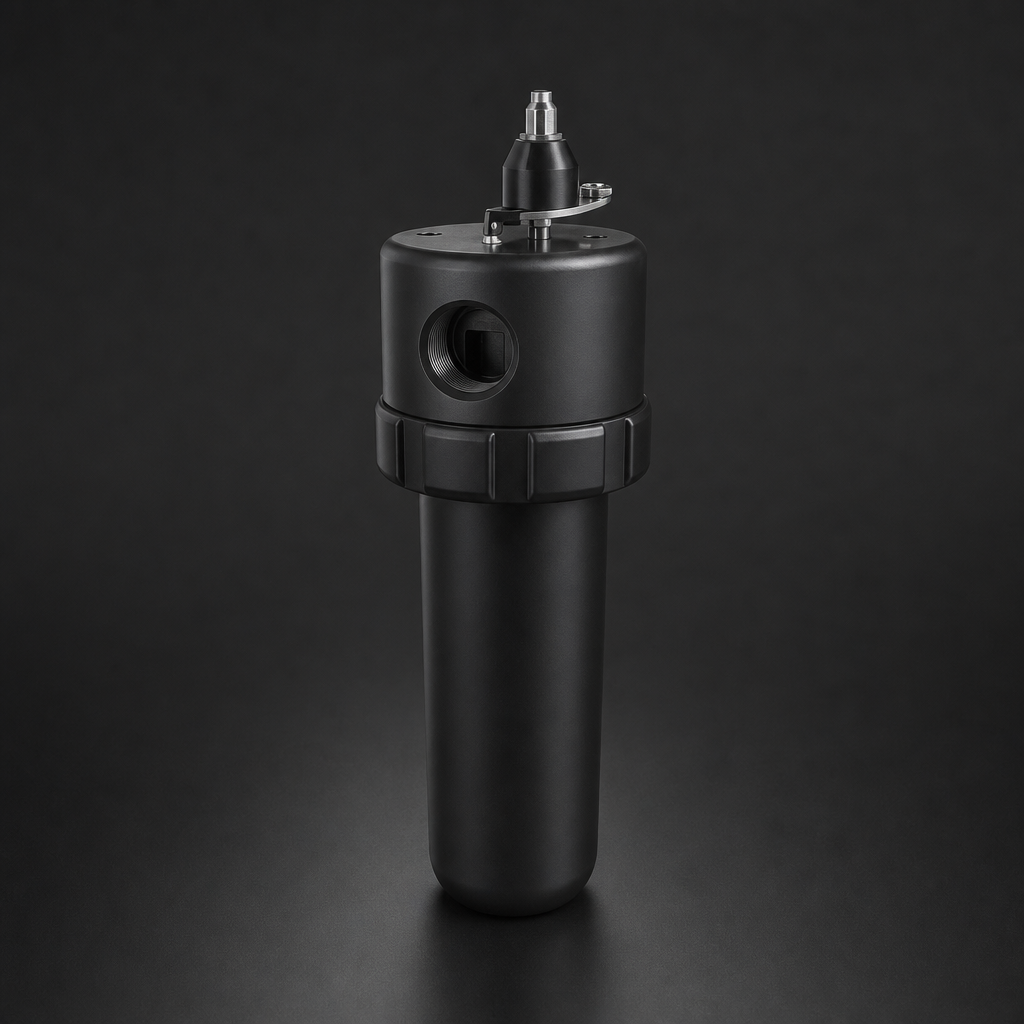
Domnick-Hunter-Filterelement-Quervergleich — Kompatible Ersatzelemente finden
Wenn ein Domnick-Hunter-Druckluftfilterelement das Ende seiner Standzeit erreicht, erfordert die Suche nach einem kompatiblen Ersatz mehr als einen Maßabgleich. Dieser Leitfaden vergleicht die gängigsten E-Serie-, A-Serie-, EZ-Inline- und AC-Adsorberelemente mit ihren R+F FilterElements-Äquivalenten und gibt systemseitige Hinweise zur Gehäusekompatibilität.
Artikel lesen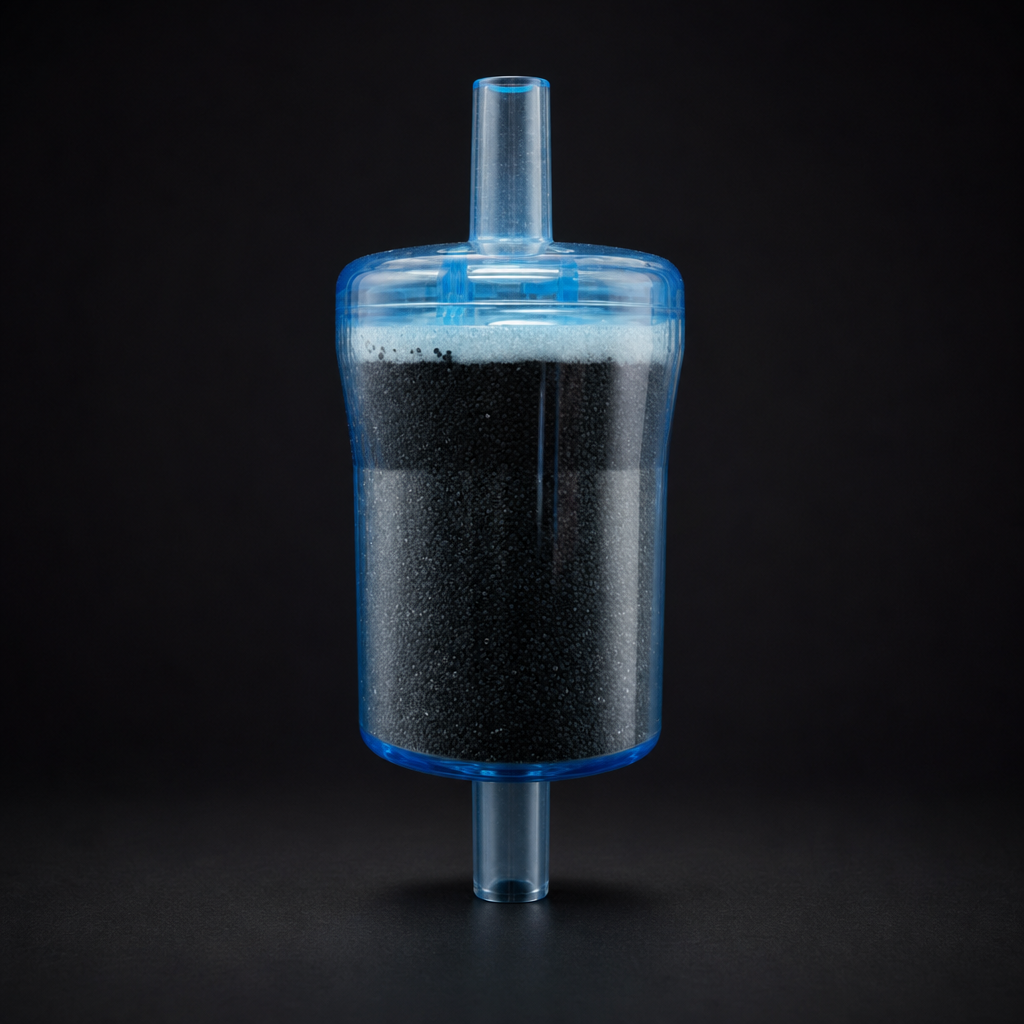
CO₂-Wäscher und Adsorbergehäuse zur Entfernung chemischer Dämpfe
Chemische Dämpfe — VOC, CO₂ und Lösungsmittelspuren — passieren herkömmliche Filter ungehindert und beeinträchtigen still die Prozessgasqualität. Dieser Leitfaden erklärt, wie RF-AC und RF-DIA Adsorbergehäuse diese Verunreinigungen entfernen, wie man einen vollständigen Dampfabscheide-Filtrationszug auslegt und was für die ISO 8573-1 Klasse 1 Konformität zu beachten ist.
Artikel lesenAuffangbehälter und Ablassbehälter — Unverzichtbares Zubehör für Koaleszenzfilteranlagen
Wird ein Koaleszenzelement direkt mit groben Flüssigkeitsmengen beaufschlagt, sättigt es schnell und verkürzt seine Standzeit erheblich. Ein vorgeschalteter Catchpot entfernt freie Flüssigkeit, bevor sie das Filtermedium erreicht. Dieser Leitfaden behandelt Catchpot-Dimensionierung, Ablassbehälterkonfigurationen und die Integration in R+F-Koaleszenzfiltergehäuse.
Artikel lesen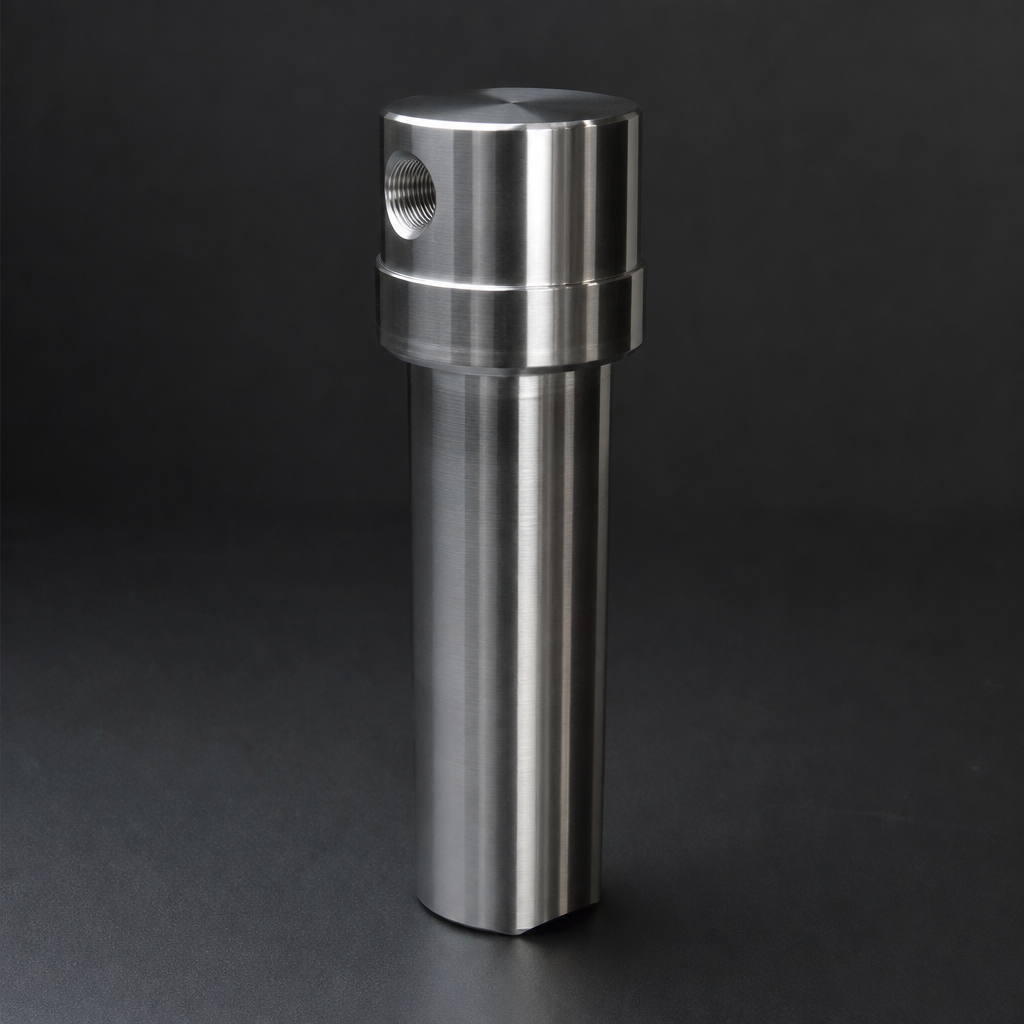
316L-Edelstahl-Filtergehäuse — Materialrückverfolgbarkeit und Zertifizierung
Wenn ein Prozessgas-Filtergehäuse im Betrieb versagt, gehen die Folgen weit über Stillstandszeiten hinaus. Dieser Leitfaden erläutert, was Materialrückverfolgbarkeit und Zertifizierung in der Praxis für 316L-Edelstahl-Filtergehäuse bedeuten, welche Normen gelten und wie R+F FilterElements-Gehäuse von Anfang an auf diese Anforderungen ausgelegt sind.
Artikel lesenWarum Ihr Chlor-Analysator immer wieder verstopft — Filtrationslösungen für die Lebensmittelindustrie
Chlor-Analysatoren in Gemüsewasch-Kreisläufen werden häufig durch Feinstpartikel und mitgerissene Tröpfchen verschmutzt, die Standard-Korbsiebe nicht zurückhalten können. Ein Zyklonvorabscheider kombiniert mit einem RF-DIL-Inlinefilter verlängerte die Sensorreinigungsintervalle in einer realen Fallstudie von sechs Stunden auf sieben Tage.
Artikel lesenPTFE-Membrangehäuse für kompakte Probenahme-Konditionierungssysteme
PTFE-Membrangehäuse bilden eine absolute Flüssigkeitsbarriere in kompakten Probenahme-Konditionierungssystemen und schützen nachgeschaltete Analysatoren vor Kondensat und Flüssigkeitseintrag. Dieser Leitfaden behandelt Membranqualitäten, Dreiport-Konfiguration, Schraubdeckelwartung und Materialauswahl für aggressive Probenströme.
Artikel lesen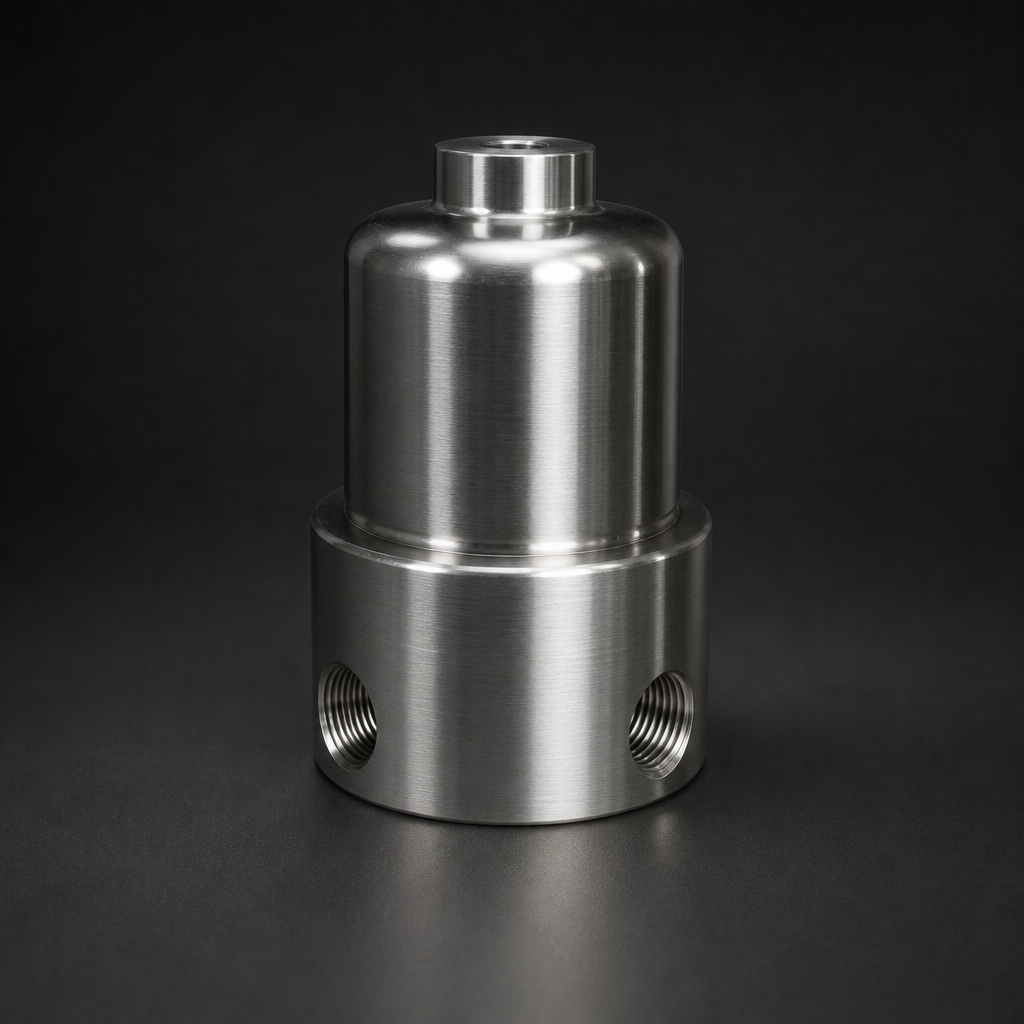
Probenahmefilter — Flexibilität beim Schutz von Gas- und Flüssigkeitsanalysatoren
Den Prozessanalysator vor Verunreinigungen zu schützen, erfordert eine sorgfältige Auswahl von Partikel-, Koaleszenz- und Membranfiltern. Dieser Leitfaden behandelt das Fast-Loop-Probenahme-Systemdesign, die Elementauswahl für den Analysatorschutz und bewährte Wartungspraktiken für Hochdruck-Gasprobenahme-Anwendungen.
Artikel lesenBeheizte Filtergehäuse für Diesel-Abgas- und Emissionsanalysatorsysteme
Diesel-Abgas- und Emissionsüberwachungssysteme benötigen Filtergehäuse, die heiß bleiben, um Kondensation zu verhindern und die Analysatorgenauigkeit zu schützen. Dieser Leitfaden behandelt beheizte Gehäusetypen, Elementauswahl für Hochtemperaturbetrieb und Installationsempfehlungen für CEMS und Motorenprüfstände.
Artikel lesenSchwimmerventilgehäuse für den Analysatorschutz — Flüssigkeitseintrag verhindern
Flüssigkeitseintrag ist eine der schädlichsten Ausfallursachen in Prozessanalysatorsystemen. Schwimmerventil-Filtergehäuse bilden eine automatische, mechanische letzte Schutzbarriere – sie stoppen Kondensat und Pfropfenströmung, bevor diese das Instrument erreichen. Dieser Leitfaden erklärt das Funktionsprinzip der Schwimmerventiltechnologie, wann Edelstahl- gegenüber Polymergehäusen zu bevorzugen sind und wie das RF-H-170 in eine mehrschichtige Probenaufbereitungsstrategie integriert wird.
Artikel lesenWie Sie das richtige Filtergehäuse für Ihre Anwendung auswählen
Die Wahl des falschen Filtergehäuses ist einer der kostspieligsten Fehler bei der Auslegung von Prozessgassystemen. Dieser Leitfaden behandelt die drei entscheidenden Auswahlkriterien – Werkstoff, Konfiguration und Dimensionierung – damit Ingenieure das richtige Gehäuse beim ersten Mal spezifizieren.
Artikel lesenWasserentfernung aus Diesel- und Flüssigkohlenwasserstoffproben mit PTFE-Membranen
Freies und gelöstes Wasser in Diesel- und Flüssigkohlenwasserstoffproben verursacht Analysatorausfälle, Viskositätsfehler und Korrosion. Hydrophobe PTFE-Membranen nutzen die Physik der Oberflächenspannung, um eine absolute Wasserbarriere zu bilden und gleichzeitig Kohlenwasserstoffe frei permeieren zu lassen. Dieser Leitfaden behandelt den RF-GMS-170 Membranabscheider und seine Integration in eine Probenaufbereitungsstrecke.
Artikel lesenBiogasfilter für den Aufbereitungsprozess — Von Abfall zu Biomethan
Rohbiogas aus der anaeroben Vergärung enthält Wasser, H₂S, Siloxane und Öl-Aerosole, die vor der Aufbereitung zu Biomethan entfernt werden müssen. Dieser Leitfaden erläutert den dreistufigen Filtrationsaufbau — Abscheider, RF-C Koaleszenzfilter und RF-AC Aktivkohleadsorber — und wie Sie die richtigen R+F FilterElements-Produkte für Ihre Aufbereitungstechnologie auswählen.
Artikel lesen
Überkritische CO₂-Botanikextraktion — Filtrationsanforderungen
Die überkritische CO₂-Extraktion arbeitet bei 74–300 bar und stellt außergewöhnliche Anforderungen an Filtrierungssysteme. Dieser Leitfaden behandelt druckbewertete 316L-Edelstahlgehäuse, lebensmittelgerechte Dichtungsauswahl und die richtigen Filterelemente für jede Stufe eines botanischen Ölextraktionskreislaufs.
Artikel lesenCO₂-Wäscher und Adsorbergehäuse zur Entfernung chemischer Dämpfe
Chemische Dämpfe und CO₂ in Gasströmen erfordern Adsorption — nicht nur Filtration. Dieser Leitfaden erklärt, wie Adsorbergehäuse funktionieren, wann die RF-AC- und RF-DIA-Serie eingesetzt wird und warum Vorfiltration mit einem Koaleszenzfilter zum Schutz des Adsorbermediums unverzichtbar ist.
Artikel lesenCatchpots und Ablassgefäße — Unverzichtbares Zubehör für Koaleszenzfiltersysteme
Koaleszenzelemente sind dafür ausgelegt, feine Aerosoltröpfchen abzuscheiden — nicht um Flüssigkeitsschläge aufzunehmen. Catchpots und Ablassgefäße sind das unverzichtbare Zubehör, das Ihr Filtersystem vor Überflutung schützt, die Standzeit der Elemente verlängert und eine zuverlässige Flüssigkeitsentfernung in Druckgasanwendungen gewährleistet.
Artikel lesen316L-Edelstahl-Filtergehäuse — Materialrückverfolgbarkeit und Zertifizierung
Die Spezifikation eines 316L-Edelstahl-Filtergehäuses für Prozessgasanwendungen bedeutet mehr als die Wahl eines korrosionsbeständigen Werkstoffs. Vollständige Materialrückverfolgbarkeit nach EN 10204-3.1, schweißnahtfreie Konstruktion für NACE MR-01-75-Sauergas-Konformität und CE-Kennzeichnung gemäß DGRL 2014/68/EU sind die ingenieurtechnischen Grundlagen, die Personal schützen und Prozesse konform halten.
Artikel lesenWenn Standardfilter versagen: Schutz von Chlor-Analysatoren in Produktwaschsystemen
Chloranalysatoren in Produktwaschsystemen werden regelmäßig durch partikelbeladenes Waschwasser blockiert, was zu Fehlmessungen und Anlagenstillständen führt. R+F FilterElements hat gemeinsam mit OEM-Kunden eine Lösung mit Zyklonfiltergehäusen entwickelt, die Wartungsintervalle von Stunden auf Wochen verlängern. Dieser Artikel erklärt das Problem, die Lösungsentwicklung und die Auswahl der richtigen Konfiguration.
Artikel lesenPTFE-Membrangehäuse für kompakte Probenahme-Konditionierungssysteme
Spurenmengen von Feuchtigkeit in einer Gasprobe können Sensorzellen überfluten, Optikpfade beschlagen und Chromatographiesäulen kontaminieren. PTFE-Membrangehäuse bieten eine absolute Flüssigkeitsbarriere in der letzten Stufe des Konditionierungsstrangs und schützen Analysatoren, ohne den Durchfluss zu beeinträchtigen.
Artikel lesenProbenahmesystem-Filter — Flexibilität beim Schutz von Gas- und Flüssigkeitsanalysatoren
Prozessanalysatoren sind auf saubere, repräsentative Proben angewiesen — doch Fast-Loop-Probenahmesysteme sind Kontaminationen durch Partikel, Flüssigkeitsaerosole und Feuchtigkeitsspuren ausgesetzt. Die Auswahl der richtigen Kombination aus Partikel-, Koaleszenz- und PTFE-Membranfiltern ist entscheidend für die Langlebigkeit des Analysators und die Messgenauigkeit.
Artikel lesenBeheizte Filtergehäuse für Dieselabgas- und Emissionsanalysatorsysteme
Kondensation in Probenahmenleitungen ist die häufigste Ursache für Analysatorausfälle bei der Dieselabgasüberwachung. Beheizte Filtergehäuse halten die Probe oberhalb ihres Taupunkts, bewahren die Gaszusammensetzung und schützen empfindliche Analysatorkomponenten. Dieser Leitfaden behandelt Gehäuseauswahl, Elementspezifikation und Installationsempfehlungen.
Artikel lesenSchwimmerventilgehäuse für Analysatorschutz — Flüssigkeitsmitnahme verhindern
Flüssigkeitsmitnahme aus einem überfluteten Koaleszenzfiltergehäuse ist eine der kostspieligsten Ausfallursachen in der Analysenmesstechnik. Schwimmerventilgehäuse erkennen steigende Flüssigkeitsspiegel und sperren den Gasdurchfluss ab, bevor Flüssigkeit den Analysator erreicht.
Artikel lesenWie Sie das richtige Filtergehäuse für Ihre Anwendung auswählen
Die Wahl des falschen Filtergehäuses gehört zu den häufigsten — und kostspieligsten — Fehlern bei der Auslegung von Prozesssystemen. Dieser Leitfaden behandelt die drei entscheidenden Auswahlschritte: Material, Konfiguration und Dimensionierung, mit Praxisbeispielen aus dem vollständigen RF-H-Sortiment von R+F FilterElements.
Artikel lesenWasser aus Diesel- und Flüssigkohlenwasserstoff-Proben entfernen mit PTFE-Membranen
Freies und emulgiertes Wasser in Diesel- und Flüssigkohlenwasserstoff-Probenströmen kann die Analysegenauigkeit zerstören und Aufbereitungsanlagen beschädigen. PTFE-hydrophobe Membranen bieten eine absolute, chemikalienfreie Barriere, die Wasser zurückhält, während Kohlenwasserstoffe ungehindert passieren – zum Schutz Ihrer Online-Analysatoren und für repräsentative Proben.
Artikel lesenBiogasfilter für den Aufbereitungsprozess — Von Abfall zu Biomethan
Die Biogasaufbereitung wandelt das Produkt der anaeroben Vergärung in netzqualitätsfähiges Biomethan um – aber nur, wenn der richtige Filtrationsstrang die Aufbereitungsanlage schützt. Entdecken Sie, wie ein dreistufiger Ansatz aus Abscheider, RF-C-Koaleszenzfiltration und RF-AC-Aktivkohleadsorption jede Verunreinigungsklasse entfernt. R+F FilterElements liefert den vollständigen Filtrationsstrang für Biogasaufbereitungs-Skids.
Artikel lesenÜberkritische CO₂-Botanikölextraktion — Filtrationsanforderungen
Die überkritische CO₂-Extraktion erfordert Filtergehäuse mit 100–200 bar Druckauslegung aus 316L Edelstahl mit PTFE- oder FKM-Dichtungen — Standard-Druckluftfilter sind nicht geeignet. Dieser Leitfaden behandelt Einsatzgaskonditionierung, Rezirkulationsschutz und Nachscheider-Polierung mit R+F FilterElements-Empfehlungen für jede Stufe.
Artikel lesen
OEM vs. Aftermarket-Filterelemente: Qualität, Lieferzeit und Kosten
OEM-Filterelemente sind teuer und haben lange Lieferzeiten — übertreffen sie aber wirklich qualitativ hochwertige Aftermarket-Alternativen? Dieser Leitfaden vergleicht beide Optionen anhand des GE-Gasturbinen-FLT486 als Praxisbeispiel und behandelt Filtrationseffizienz, dimensionale Kompatibilität, Kosteneinsparungen und Garantieüberlegungen.
Artikel lesenGasturbinen-Schmierölfilter: Warum Koaleszenzfilter für GE Frame 7 & 9 entscheidend sind
Die Schmierölnebelfiltration ist ein kritisches, aber oft übersehenes System in GE-Frame-7- und Frame-9-Gasturbinen. Dieser Leitfaden behandelt die FLT486-Spezifikation, die Funktionsweise der Koaleszenz und warum das RF-C-FLT486-Element von R+F FilterElements ein bewährter Direktersatz für das OEM-Teil 328A7187P003 ist.
Artikel lesenWasserstoffreinigung aus säurebasierten Elektrolyseuren — Warum Standardfilter versagen und was wirklich funktioniert
Säurebasierte Elektrolyseure erzeugen Wasserstoff, der mit feinen Schwefelsäure-Aerosolen verunreinigt ist und Standard-Druckluftfilter innerhalb weniger Stunden zerstört. Dieser Leitfaden erklärt, warum 316L-Edelstahlgehäuse, K-Typ-PVDF-gebundene Elemente und PTFE-Dichtungen unverzichtbar sind — und wie eine dreistufige Filtrationskonfiguration aufgebaut wird, die zuverlässig funktioniert.
Artikel lesenSchutzgasfiltration beim Schweißen — Gasqualität und ihre Auswirkung auf die Schweißnahtintegrität
Verunreinigtes Schutzgas ist eine häufig übersehene Hauptursache für Porosität, Schweißspritzer und Oxidation beim MIG- und WIG-Schweißen. Feuchtigkeit, Partikel und Öldampf im Gasstrom beeinträchtigen die Schutzatmosphäre um das Schmelzbad. Die Punktfiltration am Schweißplatz mit RF-DIL und RF-H-150 Filtern bietet eine direkte, kosteneffektive Lösung.
Artikel lesenLaserschneidgasversorgung — Schneidgasreinheit und ihr Einfluss auf die Schnittqualität
Verunreinigungen im Laserschneidgas – Feuchtigkeit, Ölaerosol und Partikel – verursachen Schlackenbildung, Verfärbungen und kostspielige Linsenschäden. Dieser Leitfaden erläutert die Reinheitsanforderungen für N₂- und O₂-Schneidgas sowie die dreistufige Filtrationsstrecke zum Schutz Ihrer Lasermaschine.
Artikel lesenAdditive Fertigung — Schutzgasfiltration für den metallischen 3D-Druck
SLM- und DMLS-Prozesse erzeugen Metallkondensate, Spritzer und Ruß, die die Schutzgasatmosphäre kontaminieren. Erfahren Sie, wie ein dreistufiger Filtrationszug mit RF-H-150, RF-C-Koaleszenzelementen und RF-AC-Aktivkohle ISO 8573-1 Klasse 1 in Argon- und Stickstoff-Kreislaufsystemen erreicht.
Artikel lesenGasfilterung in der biomedizinischen Forschung: Schutz von Zellkulturen und Inkubatoren
Gasbürtige Kontamination ist eine der häufigsten Ursachen für Zellkulturversagen in der biomedizinischen Forschung. Dieser Leitfaden erklärt, wie CO₂-Inkubatoren, Anaerobkammern und sterile Kulturgefäße mit der richtigen Filtrationsstrategie am Verwendungsort — RF-DIL Einwegfilter und RF-H-150 Prozessgasgehäuse — geschützt werden.
Artikel lesenFiltergehäuse-Anschlüsse — BSP vs. NPT, Flansch vs. Gewinde und wann welcher verwendet wird
Die Wahl des falschen Anschlusstyps für ein Filtergehäuse verursacht Leckagen, kostspielige Nacharbeiten und Sicherheitsrisiken. Dieser Leitfaden erklärt BSP- vs. NPT-Gewinde, Flanschanschlüsse für Hochdruck-Prozessgas und Rohrverschraubungen für Messtechnik — damit Sie das richtige Gehäuse beim ersten Mal spezifizieren.
Artikel lesenATEX und explosionsgefährdete Bereiche — Filterauswahl für Ex-Zonen
Die Installation eines Filters in Zone 1 oder Zone 2 erfordert mehr als Standardkomponenten — es braucht Vollmetallgehäuse, korrekte Erdung und ATEX-zertifizierte Ausrüstung. Dieser Leitfaden behandelt die wesentlichen Material-, Konstruktions- und Dokumentationsanforderungen für die Gasfiltration in explosionsfähigen Atmosphären.
Artikel lesen
Rietschle und Elmo Rietschle Vakuumpumpenfilter-Ersatz
Rietschle- und Elmo-Rietschle-Vakuumpumpen benötigen spezielle Abluftfilterelemente, die für hohe Temperaturen und ölbeladene Gasströme ausgelegt sind. Dieser Leitfaden behandelt die gängigsten Pumpenfamilien, die Identifizierung des richtigen Ersatzelements und warum die RF-CS-Serie von R+F FilterElements gleichwertige Leistung zu OEM-Teilen bietet.
Artikel lesenLeybold und Edwards Vakuumpumpen-Ölnebelabscheider: Ersatzlösungen
Leybold- und Edwards-Vakuumpumpenabgasfilter sind mit einem erheblichen OEM-Preisaufschlag verbunden. R+F FilterElements bietet direkte Ersatz-RF-CS-Elemente und universelle RF-H-420-Gehäuse, die OEM-Leistung zu deutlich niedrigeren Kosten erreichen — typischerweise ab Lager.
Artikel lesenMann+Hummel und Kaeser Filterelement-Querverweis
Kaeser-Kompressoren verwenden häufig Mann+Hummel-Filterelemente. Dieser Leitfaden schlüsselt die gängigsten Koaleszenz-, Partikel- und Aktivkohleelemente auf R+F FilterElements-Alternativen um, die ISO 8573-1-Reinheitsklassen erfüllen. Erfahren Sie, wie Sie Maß- und Leistungskompatibilität vor dem Einbau prüfen.
Artikel lesenFesto- und IMI-Norgren-Filterersatz — Querverweis für Pneumatiksysteme
Festo-MS-LFM- und Norgren-Excelon-Filterelemente können durch maßlich abgestimmte R+F-Äquivalente ersetzt werden, ohne die Systemleistung zu beeinträchtigen. Dieser Leitfaden bietet einen praktischen Querverweis nach Größe und Filtrationsgrad und hilft Wartungsteams, kompatible Elemente schnell und kosteneffizient zu beschaffen.
Artikel lesenPlötzlicher Druckdifferenzanstieg — Notfalldiagnose bei Produktionsausfall
Ein plötzlicher DP-Anstieg am Filter ist keine routinemäßige Verschmutzung – er signalisiert eine vorgelagerte Störung, einen Wartungsfehler oder ein strukturelles Elementversagen. Dieser Leitfaden behandelt die drei häufigsten Ursachen und die Notfallmaßnahmen zur schnellen Wiederherstellung der Produktion.
Artikel lesenFiltergehäuse undicht — Ursachen, Diagnose und wann der O-Ring ersetzt werden muss
Ein undichtes Filtergehäuse kann alles bedeuten – von einer degradierten Behälterdichtung bis hin zu einem stillen internen Bypass, der Ihren nachgelagerten Prozess kontaminiert. Dieser Leitfaden behandelt alle externen und internen Leckagepfade, wie jeder systematisch diagnostiziert wird und wann ein O-Ring-Tausch ausreicht – und wann das Gehäuse ersetzt werden muss.
Artikel lesenDruckluftanlage nach einer Qualitätsreklamation auditieren — Wo anfangen
Wenn eine Qualitätsreklamation auf Druckluft zurückgeführt wird, ist Raten teuer. Dieser Leitfaden beschreibt ein systematisches vierstufiges Audit — Kompressorraum, Aufbereitungsstrecke, Verteilnetz und Verbrauchspunkt — um die Grundursache schnell zu finden.
Artikel lesenFalsches Filterelement eingebaut – Erkennen und Beheben einer Fehlanpassung
Ein Filterelement, das physisch in ein Gehäuse passt, ist nicht zwangsläufig das richtige. Falsch eingesetzte Elemente verursachen unerklärliche Differenzdruckanstiege, Kontaminationsdurchbrüche und Sitzfehler. Dieser Leitfaden erklärt, wie man die Symptome erkennt und die Kompatibilität vor der nächsten Wartung überprüft.
Artikel lesenRostpartikel in Ihrer Gasversorgung — Quelle identifizieren und beseitigen
Rötlich-braune Verfärbungen am Filterelement sind ein klares Zeichen für Eisenoxid-Kontamination aus korrodierten Rohrleitungen. Dieser Leitfaden erklärt, wie Sie die Quelle identifizieren, den Schweregrad beurteilen und zwischen Rohraustausch und zusätzlicher Filtration wählen.
Artikel lesenSchäumende Kondensatableiter — Ursachen und Prävention von Ableitungsausfällen
Schäumendes Kondensat ist eine der häufigsten Ursachen für den Ausfall automatischer Ableiter in Druckluft- und Prozessgassystemen. Wenn Öl-Wasser-Emulsionen schäumen, leiten Zeitableiter Luft statt Flüssigkeit ab und verlustfreie Ableiter rattern kontinuierlich — beides führt zu Filtergehäuseüberflutung und nachgelagerter Kontamination. Dieser Leitfaden erklärt die Grundursachen und praktische Lösungen.
Artikel lesenFilterelement-Post-Mortem — Was ein gebrauchtes Element über Ihr System verrät
Ein gebrauchtes Filterelement enthält eine detaillierte Aufzeichnung von allem, was durch Ihr System geflossen ist. Dieser Leitfaden zeigt, wie Farbe, Gewichtszunahme und Strukturzustand zur Diagnose von Kontaminationsquellen, Versagensmodi und Systemstörungen genutzt werden können.
Artikel lesenSchäden an nachgelagerten Anlagen — Ursache in der vorgelagerten Filtration finden
Ventilklemmen, Analysatordrift und vorzeitiger Lagerverschleiß sind selten zufällig — sie sind Kontaminationsereignisse. Dieser Leitfaden bietet einen systematischen Fünf-Schritte-Diagnoseansatz, um nachgelagerte Anlagenschäden auf ihre wahre Ursache zurückzuführen: eine vorgelagerte Filtration, die still versagt hat.
Artikel lesenWasser in der Gasleitung — Kondensation, Taupunkt und die Aufgabe des Filters
Selbst wenn ein Trockner −40 °C Drucktaupunkt anzeigt, kann am Verbrauchspunkt noch flüssiges Wasser auftreten. Zu verstehen, warum sich der Taupunkt mit dem Druck verschiebt — und wie Koaleszenzfilter entfernen, was Trockner nicht können — ist entscheidend für einen zuverlässigen Gasbetrieb.
Artikel lesenÖl in Ihrer Druckluft — Woher es kommt und wie man es systematisch entfernt
Ölkontamination in Druckluft stammt aus drei unterschiedlichen Quellen: Kompressorverschleppung, atmosphärischer Kohlenwasserstoffdampf und Rohrleitungsrückstände. Jede Quelle erfordert eine andere Erkennungs- und Entfernungsstrategie. Dieser Leitfaden erklärt, wie die dominante Quelle identifiziert und die richtige zweistufige Filtrationslösung angewendet wird.
Artikel lesenFlüssigkeitsentwässerung in Koaleszenzfiltern — Warum Einbaulage und Schwerkraft entscheidend sind
Ein Koaleszenzfilter kann seinen Nennabscheidegrad nur dann erreichen, wenn die abgeschiedene Flüssigkeit sauber abfließt. Einbaulage, Schwerkraft und Ableitertyp sind die drei Installationsfaktoren, die darüber entscheiden, ob Ihr Filter nachgelagerte Anlagen schützt – oder kontaminiert.
Artikel lesenPartikelgrößenverteilung in Gasströmen — Warum sie für die Filterauswahl entscheidend ist
Die Abstimmung der Filterklasse auf die tatsächliche Partikelgrößenverteilung des Gasstroms ist der wirksamste Weg, sowohl Unterfiltrationsausfälle als auch kostspieligen Überfiltrationsdruckabfall zu vermeiden. Verschiedene Verunreinigungsquellen — atmosphärischer Staub, Kompressoröl-Aerosol, Rohrleitungskorrosion — erzeugen unterschiedliche PGVs, die verschiedene Filterklassen erfordern.
Artikel lesenÖldampf vs. Öl-Aerosol — Warum Ihr Koaleszenzfilter nicht beides entfernen kann
Koaleszenzfilter sind sehr effektiv bei der Abscheidung von Ölaerosolpartikeln, aber Öldampf — ein gasförmiger Schadstoff — passiert das Filtermedium ungehindert. Um ISO 8573-1 Klasse 1 Gesamtöl zu erreichen, ist ein zweistufiger Ansatz erforderlich: Koaleszensfiltration gefolgt von Aktivkohle-Adsorption. Dieser Leitfaden erklärt die Physik hinter jeder Verunreinigungsphase und wie Sie die richtigen RF-C und RF-AC Elemente für Ihr System auswählen.
Artikel lesenTemperatureinflüsse auf die Filterleistung — Was passiert oberhalb der Elementbewertung
Filterelemente haben Temperaturbewertungen aus gutem Grund — ihre Überschreitung, selbst kurzzeitig, verursacht dauerhafte Bindemitteldegradation, Medienmigration und Dichtungsversagen. Dieser Leitfaden erklärt die Versagensmechanismen und wie der richtige Elementtyp für Hochtemperaturanwendungen ausgewählt wird.
Artikel lesenVolumenstrom und Filterauslegung — Warum Istbedingungen von Katalogwerten abweichen
Katalogvolumenströme werden bei 1 bar(a) und 20 °C angegeben — Ihre tatsächlichen Betriebsbedingungen weichen jedoch fast immer davon ab. Druck, Temperatur und Gasart verschieben den realen Durchsatz, und ein Fehler bei der Umrechnung führt zu unter- oder überdimensionierten Filtern. Dieser Leitfaden erläutert die Formeln und zeigt, wie Sie diese bei der Auswahl von R+F-Gehäusen und -elementen anwenden.
Artikel lesenDifferenzdrucküberwachung — Der wichtigste Kennwert für die Filterwartung
Der Differenzdruck ist der zuverlässigste Indikator für den Zustand eines Filterelements — dennoch verlassen sich viele Anlagen noch auf feste Zeitpläne. Dieser Leitfaden erklärt, wie DP überwacht wird, wo Messgeräte montiert werden, wie Trends interpretiert werden und wann Alarmschwellen für Druckluft- und Prozessgasfiltrationssysteme gesetzt werden sollten.
Artikel lesen
Aktivkohle-Dampfphasen-Adsorption in Prozessgassystemen
Koaleszenzfilter scheiden Flüssigkeitsaerosole ab, doch Öldampf, Kohlenwasserstoffe und Gerüche passieren sie ungehindert. So liefert die Aktivkohle-Dampfphasen-Adsorption den letzten Feinreinigungsschritt in der Prozessgaskette — und so legt man einen dedizierten Schüttgut-Adsorber aus und befüllt ihn neu.
Artikel lesenFiltermedien im Vergleich — Glasfaser, PTFE, Sintermetall und Aktivkohle
Die Wahl des falschen Filtermediums kann Frühausfälle, Verunreinigungsdurchbrüche und kostspielige Stillstände verursachen. Dieser Leitfaden vergleicht Glasfaser, PTFE, Sintermetall und Aktivkohle — mit Funktionsprinzip, Temperatur- und Chemikalienbeständigkeit sowie dem passenden R+F Elementtyp.
Artikel lesenWas bedeutet „99,99 % Abscheidegrad“ wirklich? — Filterprüfnormen verstehen
Zwei Filter können beide 99,99 % Abscheidegrad angeben und im Betrieb dennoch sehr unterschiedlich abschneiden. Die Zahl ist nur aussagekräftig, wenn Testpartikelgröße, Aerosoltyp und Volumenstrom bekannt sind.
Artikel lesenFilterelemente lagern und handhaben — Best Practice vor dem Einbau
Filterelemente sind Präzisionsbauteile, die lange vor dem Einbau beeinträchtigt werden können. Falsche Lagerbedingungen, überschrittene Haltbarkeit und unsachgemäße Handhabung reduzieren die Filtrationsleistung vom ersten Betriebstag an. Dieser Leitfaden beschreibt Best Practices für jeden Elementtyp im R+F-Sortiment.
Artikel lesenWarum günstige Filterelemente mehr kosten als sie sparen — Gesamtbetriebskosten
Der Stückpreis eines Filterelements ist selten sein wahrer Kostenfaktor. Minderwertige Elemente verursachen versteckte Kosten durch Energieverbrauch, Wartungshäufigkeit und Kontaminationsrisiko, die die Gesamtausgaben um ein Vielfaches erhöhen können. Dieser Leitfaden zeigt eine TCO-Berechnung und die entscheidenden Qualitätsindikatoren.
Artikel lesenBecker und Busch Vakuumpumpen-Abgasfilter Ersatzteile
Becker- und Busch-Vakuumpumpen-Abgasfilter gehören zu den am häufigsten ausgetauschten Verschleißteilen in europäischen Industrieanlagen. Dieser Leitfaden zeigt, wie OEM-Teilenummern auf R+F FilterElements-Äquivalente gekreuzt werden und wann nur das Element oder die komplette Gehäusebaugruppe ersetzt werden sollte.
Artikel lesenAtlas-Copco-Druckluftfilter-Ersatz — DD-, PD- und QD-Serien-Alternativen
Atlas-Copco-Filtergehäuse der Serien DD, PD und QD sind in Tausenden europäischer Industriebetriebe installiert. R+F FilterElements bietet vollständig kompatible Ersatzelemente — kreuzreferenziert nach Abmessung und ISO 8573-1-Klasse — zu einem Bruchteil der OEM-Kosten.
Artikel lesenAmmonia Slip in SCR Systems — Why Your NOₓ Measurement May Be Wrong
SCR systems inject ammonia to reduce NOx emissions — but excess ammonia reaching the analyser creates false readings that can put your plant out of compliance. Here is how acid wash filter elements solve the problem at the sample conditioning stage.
Artikel lesenFilterelement-Wechselintervalle: Kalender- vs. Zustandsbasiert
Filterelemente nach einem festen 12-Monats-Kalender zu wechseln ist einfach und dokumentierbar, aber häufig verschwenderisch. Eine zustandsbasierte Überwachung mittels Differenzdruckmessgeräten kann die Elementlebensdauer um 30–60 % verlängern, ohne die Filtrationsleistung zu beeinträchtigen. Dieser Leitfaden erklärt, wann welcher Ansatz geeignet ist und wie ein praktisches DP-Überwachungsprogramm aufgebaut wird.
Artikel lesenFilterelement für die Kreuzreferenzierung vermessen — Eine Schritt-für-Schritt-Anleitung
Das falsche Ersatz-Filterelement zu bestellen ist ein kostspieliger und vermeidbarer Fehler. Diese Schritt-für-Schritt-Anleitung zeigt, wie Sie Außendurchmesser, Innendurchmesser, Gesamtlänge, Endkappen-Typ und Medienklasse messen, um jedes Filterelement sicher zu identifizieren.
Artikel lesen
CLD Cross-Sensitivity to Ammonia — The Hidden Error in NOₓ Emission Monitoring
Chemiluminescence detectors cannot distinguish between NO from combustion and NO produced by ammonia oxidation in the converter. The result: systematically inflated NOx readings downstream of SCR systems.
Artikel lesenSMC Filterelemente Ersatz — Alternativen für pneumatische Filterregler-Einheiten
SMC AF-, AFF- und AFD-Serien-Filterreglerelemente können durch maßlich abgestimmte Alternativen von R+F FilterElements ersetzt werden. RF-C-Koaleszenz- und RF-P-Partikelelemente passen direkt in vorhandene SMC-Gehäuse – ohne Adapter. Dieser Leitfaden erläutert, wie das richtige Ersatzelement identifiziert, Leistungsspezifikationen verglichen und eine praktische Lagerhaltungsstrategie für Mehrlinien-Betriebe aufgebaut werden kann.
Artikel lesenBeko Technologies Filterersatz — Kompatible Alternativen finden
Beko Clearpoint-Filterelemente können durch kompatible R+F-Alternativen ersetzt werden, ohne das Gehäuse zu modifizieren. Dieser Leitfaden behandelt Abmessungsquerverweise, Leistungsabgleich über alle Beko-Filtrationsstufen und praktische Beschaffungshinweise für Betriebsingenieure.
Artikel lesenUF/Donaldson-Ersatzelemente — Umschlüsselungsleitfaden
UF/Donaldson-Druckluftfiltergehäuse sind in Tausenden europäischer Industrieanlagen installiert. Dieser Leitfaden zeigt, wie P-SRF-, P-MF- und P-AC-Elemente auf dimensional und leistungsäquivalente R+F FilterElements-Alternativen umgeschlüsselt werden — ohne Gehäusemodifikation.
Artikel lesen
Sample Conditioning for Emission Monitoring After SCR — Getting the Gas Matrix Right
The gas stream leaving an SCR catalyst is hot, wet, and loaded with particulate, residual ammonia, and ammonium salts. Each contaminant demands its own conditioning step — miss one and your emission data is compromised.
Artikel lesenParker Balston Ersatzfilter — So finden Sie die richtige R+F Alternative
Parker Balston Filter gehören zu den am häufigsten ausgetauschten Elementen in Druckluft- und Prozessgasanlagen. Dieser Leitfaden zeigt, wie Balston-Codes anhand von Abmessungen querverwiesen werden und wie das richtige R+F FilterElements-Äquivalent gefunden wird — von Koaleszenz-RF-C-Elementen bis zu Partikel-RF-P-Qualitäten.
Artikel lesenLithium-Ionen-Batterieproduktion — Trockenraum-Gasversorgung und Filtration
Trockenräume für die Lithium-Ionen-Batterie-Elektrodenbeschichtung erfordern ultratrockene Luft oder Stickstoff unter −40 °C Taupunkt und Partikelzahlen bei ISO-Klasse 5 oder besser. Ein mehrstufiges Filtrationssystem — Koaleszenz, Partikel, Adsorption und Point-of-Use — ist unerlässlich, um Ausbeute und Zellqualität zu schützen. R+F FilterElements bietet die RF-DIL-, RF-H-150- und RF-AC-Serie für jede Stufe der Batterieproduktions-Gasversorgung.
Artikel lesenGlasfaserkabelproduktion — Gasreinheit für Vorform- und Ziehprozesse
Bereits Kontamination auf ppb-Niveau in Trägergasen kann Signaldämpfung in Glasfasern verursachen. Dieser Leitfaden behandelt Filtrationsstrategien für die MCVD- und OVD-Vorformherstellung sowie das Faserziehen, einschließlich SilcoNert-beschichteter Gehäuse und Inline-Filter am Verwendungsort.
Artikel lesenLeiterplattenproduktion — Druckluftqualität für Löten und Montage
Verunreinigte Druckluft ist eine der am häufigsten übersehenen Ursachen für Lötfehler und Leiterplattenausfälle in der Elektronikindustrie. Dieser Leitfaden behandelt die erforderlichen Luftqualitätsklassen für jede Montagestufe — von der Bestückung bis zum Reflow-Löten — und die Auswahl der richtigen Filtrationsausrüstung zum Schutz Ihrer Fertigungslinie.
Artikel lesenFlachbildschirmfertigung — Reingase für OLED- und LCD-Produktion
Flachbildschirm-Fabs erfordern Gasreinheitsstandards, die mit der Halbleiterindustrie vergleichbar sind. Von der Stickstoff-Inertisierung bei der OLED-Abscheidung bis zur ultrareinen Trockenluft für die Fotolithografie erfordert jeder Prozessschritt eine präzise abgestimmte Filtrationsstrategie. Dieser Leitfaden behandelt die wichtigsten Anforderungen und empfohlene R+F FilterElements Lösungen.
Artikel lesenBulk-Gasversorgung für Halbleiterfabs — Filtration vom Tank bis zum Werkzeug
Bulk-N₂-, Ar- und H₂-Versorgungssysteme in Halbleiterfabs akkumulieren auf jeder Stufe Kontamination — von kryogenen Verdampfern bis zu Ventilverteilerboxen. Gestufte Filtration mit RF-DIL-Endpunktfiltern und RF-H-150/160-Prozessgasgehäusen ist der einzige zuverlässige Weg, die Reinheit am Werkzeugeinlass zu garantieren.
Artikel lesenHalbleiterfab-Gasfiltration — Sub-ppb-Reinheit am Verwendungsort
In der Halbleiterfertigung muss die Gasreinheit am Verwendungsort Sub-ppb-Niveau erreichen — und das Filtergehäuse selbst ist häufig die größte Kontaminationsquelle. Dieser Leitfaden erklärt, wie vollmetallische, elektropolierte, SilcoNert-beschichtete Gehäuse wie der RF-H-110-SN metallische Partikelabgabe, Ausgasung und Feuchtigkeitseintrag aus UHP-Gasversorgungssystemen eliminieren.
Artikel lesenFleischverarbeitung und Modified Atmosphere Packaging — Gasqualität für längere Haltbarkeit
Modified Atmosphere Packaging basiert auf präzisen CO₂-, N₂- und O₂-Gemischen, um die Haltbarkeit von Fleisch zu verlängern — doch verunreinigtes Gas kann die Produktqualität ruinieren und gegen lebensmittelrechtliche Vorschriften verstoßen. Die Filtration an der Gasmischstation ist der kritische Kontrollpunkt, den die meisten Verarbeiter unterschätzen. Dieser Artikel erklärt, welche Verunreinigungen relevant sind, welche Normen gelten und wie der richtige Filterzug spezifiziert wird.
Artikel lesenBlasformen von Getränkeflaschen — Warum die Luftqualität die Flaschenklarheit bestimmt
Hochdruck-Blasformluft bei 30–40 bar berührt jede produzierte PET-Flasche. Ölverunreinigungen verursachen Trübung und Geschmacksabweichungen. Erfahren Sie, wie ISO 8573-1 Klasse 1.2.1 Filtration mit R+F Hochdruckfiltern Ihre Produktqualität schützt.
Artikel lesenBäckerei und Mehlverarbeitung — Druckluft in staubexplosionsgefährdeten Bereichen
Mehlstaub ist ein klassifizierter explosionsfähiger Stoff, was die Druckluftfiltration in Bäckereien und Mehlmühlen zu einer doppelten Sicherheits- und Lebensmittelqualitätsherausforderung macht. Dieser Leitfaden behandelt ATEX-Zonenanforderungen, dreistufiges Filtrationsdesign und die Erreichung von ISO 8573-1 Klasse 1 ölfreier Luft für produktberührende Anwendungen.
Artikel lesenWein- und Spirituosenproduktion — Inertgasüberlagerung und Filtration
In der Wein- und Spirituosenproduktion schützt Inertgasüberlagerung mit N₂ und CO₂ Ihr Produkt vor Oxidation — aber nur, wenn das Gas selbst sauber ist. Unzureichend gefiltertes Schutzgas kann Ölfehltöne, Partikeltrübungen und mikrobielle Kontamination einbringen, die ganze Chargen ruinieren. Dieser Leitfaden erklärt, wie Sie eine dreistufige Gasfiltrationsanlage auslegen, die lebensmittelgerechte Reinheitsanforderungen erfüllt.
Artikel lesenMilchverarbeitung — Druckluft für Pneumatikventile und Produktkontakt
Druckluft in Molkereibetrieben berührt Ihr Produkt in jeder Phase — von der Pneumatikventilbetätigung bis zu direkten Abfüllvorgängen. Eine falsche Filtrationsgüte riskiert Kontamination, Auditbefunde und kostspielige Rückrufe.
Artikel lesenBrauerei-CO₂- und Mischgasfiltration — Schutz für Zapfqualität und Produkt
Verunreinigtes CO₂ und Mischgas sind eine versteckte Bedrohung für Bierqualität, Schaumstabilität und Haltbarkeit. Dieser Leitfaden erklärt, wie Kompressoröl in die Gasversorgungskette gelangt und wie eine korrekt spezifizierte Filterkette — mit 316L-Edelstahlgehäusen sowie Koaleszenz-, Partikel- und Aktivkohleelementen — jede Stufe der Brauerei-Gasnutzung schützt.
Artikel lesenGasversorgung für Isolatoren und RABS — Gefilterte Luft für geschlossene Umgebungen
Die Qualität der Gasversorgung ist ein kritischer Prozessparameter in pharmazeutischen Isolatoren und RABS. Dieser Artikel behandelt sterile Filtrationsanforderungen, die Druckkaskadenauslegung und die Abluftfiltration für aseptische und Containment-Anwendungen.
Artikel lesenAutoklaven-Dampfqualität — Wie kontaminierter Dampf die Sterilisation gefährdet
Kontaminierter oder nicht spezifikationsgerechter Dampf ist eine der häufigsten — und am häufigsten übersehenen — Ursachen für Autoklavensterilisationsversagen. EN 285 definiert strenge Grenzwerte für nicht kondensierbare Gase, Überhitzung und Trockenheitsgrad am Sterilisatoreinlass. Korrekte Dampffiltration ist die erste Verteidigungslinie.
Artikel lesenEU GMP Anhang 1 und Gasfiltration — Was sich in der Revision 2023 geändert hat
Die Revision 2023 von EU GMP Anhang 1 führt obligatorische sterilisierende Filter in Klasse-A- und -B-Umgebungen, Integritätsprüfungen vor dem Einsatz und explizite Filterredundanzanforderungen ein. Anlagen müssen die Gasfiltration nun in einer anlagenweiten Kontaminationskontrollstrategie dokumentieren.
Artikel lesenGefriertrockner (Lyophilisator) Gasversorgung — Filtration für Befüllung und Stoppern
Sterile Stickstoffbefüllung ist der letzte Schritt vor dem Vial-Stoppern bei der Lyophilisation — und die Gasversorgungsleitung ist oft das schwächste Glied in der Kontaminationskontrolle. Dieser Leitfaden beschreibt die Spezifikation eines GMP-konformen 0,2-µm-Sterilfilter-Zuges für die Gefriertrockner-Gasversorgung, einschließlich SIP-kompatibler Gehäuse, Integritätstests und hydrophober Medienauswahl für Vakuum-Stopperanwendungen.
Artikel lesenReinraumgasversorgung — Partikelfreier Stickstoff und Druckluft für ISO-Klasse 5
Die Versorgung eines ISO-Klasse-5-Reinraums mit partikelfreiem Gas erfordert mehr als Bulk-Gasreinheit — es braucht Verwendungspunkt-Filtration, um Verunreinigungen aus Verteilungsrohrleitungen, Reglern und Endverbindungen zu bekämpfen. Dieser Artikel erklärt, wo Kontaminationen in Ihre Gasversorgung gelangen und wie Sie diese eliminieren.
Artikel lesenFermentationsgasversorgung — Sterile Luft und Sauerstoff für Bioreaktoren
Die sterile Gasversorgung ist entscheidend für jeden Fermentationsprozess. Dieser Leitfaden behandelt die Auswahl von 0,2-µm-Membranfiltern, SIP-Sterilisierung, autoklavierbare vs. Einwegoptionen und Sauerstoff-Sparging-Sicherheit für Bioreaktoren.
Artikel lesenDruckluft in der pharmazeutischen Fertigung — GMP-Anforderungen und Qualifizierung
Pharmazeutische Druckluft ist ein reguliertes Betriebsmittel, das strenge GMP-Anforderungen und ISO 8573-1 Reinheitsklassen erfüllen muss. Dieser Leitfaden behandelt die Auslegung des Filtrationsstrangs, die IQ/OQ/PQ-Qualifizierung und die laufende Überwachung für die Compliance.
Artikel lesenSterilentlüftungsfilter für pharmazeutische Behälter — Auslegung, Integritätstest und Austausch
Pharmazeutische Behälterentlüftungen sind ein direkter Kontaminationspfad – und müssen dennoch frei atmen. Dieser Leitfaden behandelt PTFE-Membranauswahl, Blasenpunkt- und Diffusionsintegritätstests sowie EU-GMP-Anhang-1-konforme Austauschriterien für Sterilentlüftungsfilter.
Artikel lesenKurbelgehäuseentlüftung am Kompressor — Ölnebel aus Hubkolbenkompressoren
Große Hubkolbenkompressoren erzeugen erheblichen Ölnebel und Blow-by-Gas, das Brand-, Gesundheits- und Umweltrisiken birgt. Die Koaleszenz-Entlüftungsfiltration ist die ingenieurtechnische Lösung — doch korrekte Auslegung und Elementauswahl sind entscheidend für die Einhaltung von Vorschriften und den Schutz Ihrer Anlage.
Artikel lesenTurbinen-Schmierölsystem-Entlüftung — Wie Sie Ölnebel aus Lagergehäusen als Brandgefahr eliminieren
Gas- und Dampfturbinen-Lagergehäuse entlüften kontinuierlich Ölnebel, der in der Nähe heißer Oberflächen eine ernsthafte Brandgefahr darstellt. Die Auswahl des richtigen Koaleszenz-Entlüftungsfilters — ausgelegt für Temperatur, Volumenstrom und Ölrückführung — ist eine sicherheitskritische Ingenieurentscheidung.
Artikel lesenÖlnebelabscheider für Werkzeugmaschinen — Schutz für Mitarbeiter und Anlagen
Jede CNC-Bearbeitungsoperation erzeugt Öl- und Kühlmittelnebel, der echte Atemwegsrisiken für Mitarbeiter darstellt. Dieser Leitfaden vergleicht Zentrifugal-, elektrostatische und Koaleszenz-Abscheidetechnologien und erklärt, wie Sie das richtige R+F FilterElements Koaleszenzelement für Ihre Anwendung auswählen.
Artikel lesenStationäre Gasmotoren CCV — Filtration für Biogas-, Erdgas- und Dual-Fuel-Motoren
Gasmotoren mit Biogas oder im Dual-Fuel-Betrieb erzeugen H₂S-reiches Blow-by mit sauren Aerosolen, die Standard-Filterelemente zerstören. Die Auswahl des richtigen K-Typ-säurebeständigen Elements und Edelstahlgehäuses ist für eine zuverlässige CCV-Leistung in BHKW-Anwendungen unerlässlich.
Artikel lesenGetriebe- und Hydraulikreservoir-Entlüftung — Feuchtigkeitseintrag verhindern
Jeder thermische Atemzyklus saugt feuchte, partikelbeladene Luft in Ihr Getriebe oder Hydraulikreservoir. Ohne wirksame Entlüfterfiltration beschleunigen Feuchtigkeit und Verunreinigungen den Verschleiß und verkürzen die Öllebensdauer. Dieser Leitfaden erklärt, wie Sie den richtigen Entlüfterfilter für Ihre Anwendung auswählen und dimensionieren.
Artikel lesenKurbelgehäuse-Entlüftung von Schiffsmotoren — IMO- und Klassifikationsgesellschaftsanforderungen
Schiffsdieselmotoren mit Schweröl erzeugen Blow-by-Gase mit extremer Rußbeladung und saurem Kondensat, die Standard-CCV-Abscheider nicht bewältigen können. IMO-MEPC-Vorschriften und Klassifikationsgesellschaftsregeln stellen strenge Anforderungen an Ölnebelabscheidung, Kurbelgehäusedruckmanagement und Entwässerung. Dieser Leitfaden erklärt, wie großvolumige Koaleszenzelemente spezifiziert werden, die Klassenbesichtigungsanforderungen erfüllen.
Artikel lesenSpezialgasversorgungssysteme — Kontaminationskontrolle von der Flasche bis zum Prozess
Hochreines Flaschengas kann unsichtbare Partikelverunreinigungen aus Reglern und Leitungen mitführen, die Kalibrierungen ungültig machen und empfindliche Instrumente beschädigen. Die Verwendungspunkt-Filtration mit RF-DIL und RF-DIA Inline-Filtern ist die entscheidende letzte Verteidigungslinie in jedem Spezialgasversorgungssystem.
Artikel lesenSynthesegas- und Reformergas-Filtration — Herausforderungen bei Hochtemperatur
Synthesegas aus Dampf-Methan-Reformern und Vergasern stellt extreme Filtrationsanforderungen: Temperaturen bis 900 °C, Katalysatorfeinstaub, Teeraerosole und Schwefelverbindungen. Sintermetall-Filterelemente sind das einzig geeignete Medium für Heißgas-Anwendungen. Dieser Artikel erläutert, wie die richtige Elementlegierung, Porengröße und das passende Gehäuse für jede Stufe des Synthesegas-Prozesszugs ausgewählt werden.
Artikel lesenHeliumrückgewinnung und -recycling — Warum die Filtration vor dem Rückgewinnungssystem entscheidend ist
Helium ist eines der knappsten Industriegase der Welt — und seine Rückgewinnung aus Prozessströmen ist für kostenorientierte Betriebe keine Option mehr, sondern eine Notwendigkeit. Doch ein Rückgewinnungssystem ist nur so effektiv wie die Qualität des eintretenden Gases. Verunreinigungen durch Öl, Partikel oder Feuchtigkeit können Kompressoren, Membranen und Adsorber im Rückgewinnungskreislauf innerhalb kurzer Zeit beschädigen und eine kostensparende Investition in eine Wartungslast verwandeln.
Artikel lesenDampffiltration — Partikel und Kondensat aus Prozessdampf entfernen
Prozessdampf enthält Partikel, Rost und mitgerissenes Kondensat, die die Produktqualität beeinträchtigen und Compliance-Verstöße auslösen können. Die Wahl des richtigen Filterelements — Sintermetall für Hochtemperaturbetrieb — ist eine prozesskritische Entscheidung für Lebensmittel-, Pharma- und Industrieanwendungen.
Artikel lesenEthylenoxid-Sterilisation — Gasfiltration in der Medizinprodukte-Fertigung
Die Ethylenoxid-Sterilisation erfordert präzise Gasfiltration an jedem Prozessschritt — von der Sterilisationsmittelversorgung bis zur Restgas-Abscheidung. Verunreinigtes EtO kann die Sterilitätssicherung gefährden und erhebliche Sicherheitsrisiken verursachen. Dieser Leitfaden erklärt, wie Sie für jeden Punkt im Prozess den richtigen Filter auswählen und auslegen.
Artikel lesenAcetylen-Filtration — Sicherheitsanforderungen für ein zersetzungsgefährdetes Gas
Acetylen ist unter Industriegasen einzigartig gefährlich — es kann ohne Sauerstoff bei Überdrücken über 1,5 bar explosionsartig zerfallen. Filtrationsanlagen für Acetylen-Einsatz müssen strenge Druckgrenzen einhalten, kupferhaltige Werkstoffe ausschließen und mit obligatorischen Rückschlagsicherungen kombiniert werden.
Artikel lesenChlor- und HCl-Gasfiltration — Materialauswahl fuer extreme Korrosion
Chlor- und HCl-Gas zerstoeren Standardfiltermaterialien durch Oxidation, Spannungsrisskorrosion und Saeureangriff. Dieser Leitfaden behandelt die Hastelloy-Gehaeuseauswahl, PTFE-Dichtungs- und Elementspezifikation sowie anwendungsspezifische Empfehlungen fuer Chlor-Alkali-, PVC- und Wasseraufbereitungsanlagen.
Artikel lesenArgon and Inert Gas Filtration — Welding, Heat Treatment, and Semiconductor
Contamination in argon and inert gas supplies causes welding porosity, heat treatment defects, and semiconductor process failures. This guide explains where contamination enters the supply chain and how to select the right filtration system for your application.
Artikel lesenCO₂ Gas Filtration — Applications from Beverage Carbonation to CCUS
Carbon dioxide is one of the most widely handled industrial gases in the world, yet its filtration requirements are frequently underestimated. From food-grade beverage carbonation to high-pressure CCUS injection pipelines, the purity and dryness of CO₂ at every stage directly affects product quality and equipment longevity. This guide examines the specific challenges of CO₂ gas filtration across the full application spectrum.
Artikel lesenNitrogen Blanketing and Inerting: Purity Requirements and Filtration
Nitrogen blanketing protects tanks and reactors from oxidation and contamination — but the nitrogen itself can carry particles and oil aerosols that undermine that protection. This guide explains the purity requirements for nitrogen blanketing filtration and how to select the right N2 inerting gas filter for chemical and pharmaceutical applications.
Artikel lesenGas Engine and Turbine Protection — Inlet Filtration for Power Generation
Gas engines and micro-turbines in CHP plant are highly sensitive to particles, liquid water, and oil aerosols in the fuel gas stream. Inadequate inlet filtration leads to accelerated wear, fouled injectors, and costly overhauls. This guide explains how to specify the right filtration train using R+F FilterElements process gas housings and elements.
Artikel lesenBiomethane Grid Injection — Meeting Gas Quality Standards with Filtration
Biomethane grid injection demands strict compliance with DVGW G 260 and EN 16723 gas quality standards. Filtration is the final polishing step that removes particles, liquid aerosols, and heavy hydrocarbons before the gas enters the network. This guide explains how to select and size the right filtration train for your injection point.
Artikel lesenGas Pressure Regulation Stations — Why Filters Before the Regulator Save Millions
Pipeline contamination is the leading cause of pressure regulator failure in natural gas and biogas stations. A correctly specified gas pressure regulator filter upstream of every PRV is the most cost-effective protection available. This article explains the particle sizes that cause the most damage and how to select the right filter for your station.
Artikel lesenH₂S Removal from Biogas and Sour Gas — Filtration and Material Challenges
H₂S in biogas and sour natural gas corrodes standard filter components rapidly, risking both equipment failure and safety incidents. Selecting K-type elements, 316L stainless steel housings, and NACE MR0175-compliant materials is essential for reliable sour gas filtration. This article explains the key material challenges and how to address them.
Artikel lesenCNG Vehicle Fuelling — High-Pressure Filtration at the Dispenser
At 200–250 bar, a CNG dispenser filter is the last line of defence against particulate contamination that can damage nozzles and vehicle fuel systems. This guide explains what to specify and why.
Artikel lesenLandfill Gas Filtration: How to Remove Siloxanes, Moisture, and Particulates Before They Destroy Your Engine
Landfill gas carries siloxanes, moisture, and particulates that can destroy engines within months. This guide explains how a properly designed multi-stage filtration train — coalescing, activated carbon adsorption, and final particulate removal — protects your LFG-to-power plant and maintains engine warranty compliance.
Artikel lesenNatural Gas Metering Stations — Filter Requirements for Custody Transfer
Custody transfer metering demands clean, dry gas — yet pipelines routinely carry dust, glycol carryover and compressor oil that can destroy meter accuracy within weeks. This guide explains how to select and size filtration for turbine and ultrasonic metering stations to protect measurement integrity and avoid costly disputes.
Artikel lesenBiogas Upgrading — Pre-Filtration Before the Membrane or PSA Stage
Raw biogas contains siloxanes, hydrogen sulphide, moisture, and compressor oil aerosols — all capable of causing irreversible damage to membrane modules and PSA adsorbent beds. A properly designed multi-stage pre-filtration train is the most cost-effective way to protect your upgrading asset and keep biomethane output on specification.
Artikel lesenVacuum Furnace Filtration — Protecting Pumps from Metal Vapour and Soot
Vacuum furnaces used for sintering, brazing, and heat treatment generate metal vapour condensation, soot, and binder burnout residue that can rapidly destroy vacuum pump systems. Selecting the correct vacuum furnace pump filter is critical to maintaining process integrity and avoiding costly pump rebuilds. This guide explains the contamination mechanisms and the filtration solutions available from R+F FilterElements.
Artikel lesenRoots Blower and Booster Pump Filtration — Inlet Protection at High Flow Rates
Roots blowers and booster pumps operate at high flow rates where even small particles can cause catastrophic damage. Correct inlet filtration — sized for the actual free air delivery — is the single most effective measure to protect your vacuum system. This guide explains how to select and size the right roots blower inlet filter for your application.
Artikel lesenCentral Vacuum Systems in Hospitals — Exhaust Filtration and Emission Control
Hospital central vacuum and WAGD systems exhaust a complex mixture of oil mist, biological aerosols, and volatile anaesthetic agents. Without a correctly specified exhaust filter, these contaminants pose infection control and occupational health risks. This guide covers HTM 02-01 requirements and how to select the right filter for your facility.
Artikel lesenCNC Vacuum Clamping — Protecting the Pump from Wood Dust and Coolant Mist
CNC vacuum clamping tables expose vacuum pumps to fine wood dust, MDF fibre, and coolant mist — a combination that causes rapid wear and premature failure. A two-stage filtration system, combining a pre-separator with a fine inlet filter and an exhaust oil-mist filter, provides complete protection. This guide covers product selection, installation best practice, and maintenance intervals for CNC machining environments.
Artikel lesenLaboratory Vacuum Systems — Filtration for Rotary Evaporators and Vacuum Ovens
Solvent vapours from rotary evaporators and vacuum ovens are a leading cause of premature vacuum pump failure. This article explains why cold traps often fall short and how coalescing filtration with chemically resistant stainless steel housings provides more reliable, lower-maintenance pump protection.
Artikel lesenVacuum Packaging Machines — Protecting Pumps from Process Contamination
Every cycle of a vacuum packaging machine draws food particles, moisture, and marinades directly towards the pump. Without proper filtration at both the inlet and exhaust, pump wear accelerates rapidly and costly downtime follows.
Artikel lesenVacuum Pump Oil Consumption — How Exhaust Filters Recover Lost Oil
Oil-sealed vacuum pumps can lose up to 0.5 litres of oil per day through their exhaust — a significant and often overlooked operating cost. Coalescing exhaust filters from the R+F FilterElements RF-H-420 to RF-H-456 series recover more than 99% of that oil, with a typical payback period of under three months.
Artikel lesenDry Vacuum Pumps — Inlet Filtration to Prevent Internal Contamination
Dry vacuum pumps — scroll, claw, and screw types — rely on tight internal clearances that make them highly vulnerable to particulate contamination and moisture ingress. Without proper inlet filtration, even small quantities of process dust can cause premature seizure and costly downtime. This guide explains the filtration strategies that keep dry pumps running reliably.
Artikel lesenNitrogen Generation from Compressed Air — Pre-Filtration for PSA and Membrane Systems
Oil contamination is the single biggest threat to on-site nitrogen generators — whether PSA or membrane type. A correctly specified three-stage nitrogen generator pre-filter train protects your carbon molecular sieves and hollow-fibre membranes from irreversible damage, keeping N2 purity on-spec and avoiding costly bed replacements.
Artikel lesenPneumatic Valve and Actuator Protection — Filtration at the Machine Level
Contaminated compressed air is one of the leading causes of pneumatic valve and actuator failure. Particles above 5 µm cause spool valve stiction, while oil vapour swells O-ring seals — and a standard FRL unit may not be enough to stop either. This article explains how dedicated point-of-use inline filtration closes the gap.
Artikel lesenEnergy Cost of Filtration — How to Calculate the True Cost of Pressure Drop
Every bar of pressure drop across your compressed air filtration train costs real money in electricity. This guide shows you how to calculate the annual energy cost of pressure drop, why oversized filter housings pay for themselves quickly, and how to use the R+F Engineering Tool to optimise your system.
Artikel lesenCompressed Air Dryer Types Compared: Which One Needs What Filtration?
Choosing the wrong dryer type — or skipping proper filtration — is one of the most expensive mistakes in compressed air system design. This guide compares refrigerant, desiccant, and membrane dryers, and explains exactly what filtration each one requires upstream and downstream.
Artikel lesenBreathing Air Filtration — Standards, Grades, and What Your Workers Depend On
When compressed air is used for breathing, contamination is a life-safety issue, not a compliance formality. EN 12021 sets strict limits on CO, oil, moisture, and CO₂ that every supplied-air system must meet. This guide explains what those limits mean in practice and how to achieve them reliably.
Artikel lesenFood-Grade Compressed Air: How to Meet BRC, IFS, and ISO 8573-1 Requirements
BRC and IFS audits increasingly scrutinise compressed air quality in food and beverage facilities. This guide explains ISO 8573-1 Class 1.2.1, how to build a compliant filtration train, and what documentation auditors expect to see.
Artikel lesenSpray Painting and Surface Finishing — The Air Quality That Paint Demands
Contaminated compressed air is the hidden cause of fish-eye defects, silicone spotting, and adhesion failures in spray painting. Achieving ISO 8573-1 Class 1.2.1 air quality with a correctly specified three-stage filtration train is the only reliable way to protect your finish quality and reduce costly rework.
Artikel lesenCondensate Management in Compressed Air Systems — Drains, Traps, and Filters
Condensate flooding is one of the leading causes of coalescing filter failure in compressed air systems. This guide explains how to choose the right drain type — manual, timer, or zero-loss float — and how R+F FilterElements' RF-H series with float-drain (F suffix) variants keeps your filter elements performing as specified.
Artikel lesenCompressed Air Audits — How to Assess Your Current Air Quality
A compressed air quality audit reveals hidden contamination that silently damages equipment, spoils products, and inflates energy costs. This step-by-step guide walks you through every stage — from a simple visual inspection to particle counting and oil vapour measurement — so you know exactly what your system is delivering and what it should be.
Artikel lesenOil-Free Compressors Still Need Filters — Three Contaminants You Did Not Expect
Oil-free compressors are widely trusted to deliver clean compressed air, but the label 'oil-free' refers only to the compression mechanism — not the air quality at the point of use. Atmospheric oil vapour, condensate, and internal wear particles can all contaminate your system downstream. Here is what you need to know.
Artikel lesenWasserstofftrocknung — Adsorptionstrockner vor Verunreinigungen schützen
Adsorptionsbetten in Wasserstofftrocknern sind hochgradig anfällig für Ölaerosole, Flüssigkeitsschläge und Partikelfeinstäube. Dieser Artikel erläutert, warum die einzigartigen physikalischen Eigenschaften von Wasserstoff eine dedizierte Vorfiltration erfordern und wie der richtige Wasserstofftrockner-Schutzfilter für PSA- und TSA-Anwendungen ausgelegt wird.
Artikel lesenGrünes Ammoniak-Cracking — Filtration des Gases nach der Reformerstufe
Das Gas aus einem Ammoniak-Cracker enthält Katalysatorfeinstaub, Rest-NH₃ und Feuchtigkeit — all diese Verunreinigungen müssen entfernt werden, bevor Wasserstoff in Reinigungsanlagen oder Endanwendungen gelangt. Eine korrekt ausgelegte dreistufige Filteranlage ist unerlässlich, um PSA-Betten, Palladiummembranen und PEM-Brennstoffzellen zu schützen.
Artikel lesenWasserstoffbeimischung in Erdgasnetzen — Auswirkungen auf die Filtration
Da die Wasserstoffbeimischung in Erdgasnetze europaweit zunimmt, stehen Netzbetreiber vor neuen Filtrationsherausforderungen, denen Standardausrüstungen aus Kohlenstoffstahl schlicht nicht gewachsen sind. Von Wasserstoffversprödung über Dichtungsdegradation bis hin zur Kontaminationskontrolle — die richtige Filterwahl ist entscheidend. Dieser Artikel erklärt, was sich ändert, wenn H₂ ins Spiel kommt — und wie Sie den Anforderungen voraus bleiben.
Artikel lesenWasserstoff-Rohrleitungsfiltration — Schutz von Verdichtern und Messeinrichtungen
Partikelverunreinigungen, Verdichterölcarryover und eingeschleppte Feuchtigkeit sind die drei stillen Bedrohungen für Wasserstoff-Rohrleitungsinfrastruktur. Die Auswahl der richtigen Vorfiltration vor Verdichterstationen und Custody-Transfer-Messeinrichtungen ist keine Option — sie entscheidet zwischen zuverlässigem Betrieb und kostspieligem ungeplanten Stillstand.
Artikel lesenElektrolyt-Verschleppung bei der alkalischen Elektrolyse — Strategien zur KOH-Nebelabscheidung
KOH-Aerosolmitnahme ist eines der schädlichsten und am häufigsten unterschätzten Probleme in alkalischen Elektrolysesystemen. Standard-Filterelemente korrodieren in kaustischen Umgebungen schnell, weshalb die Werkstoffauswahl entscheidend ist. Dieser Artikel erläutert, warum ein zweistufiger Ansatz aus Koaleszenz- und Partikelfiltration — mit chemisch beständigen K-Typ-Elementen — die technisch korrekte Lösung darstellt.
Artikel lesenBrennstoffzellenschutz — Wie Partikelverunreinigung die Membranleistung zerstört
Partikelverunreinigungen über 5 µm können PEM-Membranen physisch perforieren, während Spurenmetallionen wie Eisen und Kupfer die Katalysatorschicht vergiften — oft irreversibel. Eine korrekte Brennstoffzellen-Einlassfiltration ist keine Option, sondern die kosteneffizienteste Maßnahme zum Schutz der Stack-Lebensdauer.
Artikel lesenWasserstofftankstellen — Hochdruckfiltration bei 350 und 700 bar
Wasserstofftankstellen arbeiten mit Drücken bis 700 bar und stellen damit extreme Anforderungen an jede Komponente im Abgabesystem. Ein falsch gewähltes Filtergehäuse, ein ungeeigneter Dichtwerkstoff oder eine falsche Filterfeinheit können zu Wasserstoffversprödung, Leckagen oder zur Kontamination des Brennstoffzellenstapels im Fahrzeug führen. Dieser Leitfaden erklärt, worauf es ankommt.
Artikel lesenISO 14687 Wasserstoff-Kraftstoffqualität — Was Filtration leisten kann und was nicht
ISO 14687 definiert die Reinheitsschwellenwerte, die Wasserstoff vor dem Eintritt in einen Brennstoffzellen-Stack erfüllen muss. Filtration ist für Partikel und Wasser unverzichtbar, doch chemische Verunreinigungen wie CO und Schwefelverbindungen erfordern zusätzliche Behandlungsschritte.
Artikel lesenWasserstoffspeicherung — Warum die Gasreinheit zwischen Elektrolyseur und Tank abnimmt
Wasserstoff, der am Elektrolyseur produziert wird, erreicht den Speicherbehälter selten in demselben Zustand, in dem er ihn verlassen hat. Rohrleitungskorrosion, Ventilpartikel und druckzyklusbedingte Kondensation bringen Verunreinigungen ein, die die Gasreinheit mindern und nachgelagerte Anlagen gefährden. Die bedarfsortsgenaue Filtration ist die zuverlässigste Schutzmaßnahme.
Artikel lesenPEM vs. Alkalische Elektrolyse — Filtrationsanforderungen im Vergleich
PEM- und alkalische Elektrolyseure erzeugen beide hochreinen Wasserstoff — doch ihre Filtrationsanforderungen könnten unterschiedlicher kaum sein. Das müssen Sie wissen, bevor Sie Filterelemente für eine der beiden Technologien auslegen.
Artikel lesen
Borosilicate Glass Microfibre — Why It Is the Gold Standard in Process Gas Filtration
Borosilicate glass microfibre delivers unmatched thermal stability, chemical resistance, and sub-micron efficiency — making it the material of choice for demanding process gas filtration.
Artikel lesenHow to Size an Industrial Gas Filter in Under Two Minutes
Selecting the right filter housing used to mean flipping through brochure tables and cross-referencing flow charts. Our free online sizing tool replaces that process with a four-step wizard that recommends housings and elements based on your actual operating conditions.
Artikel lesen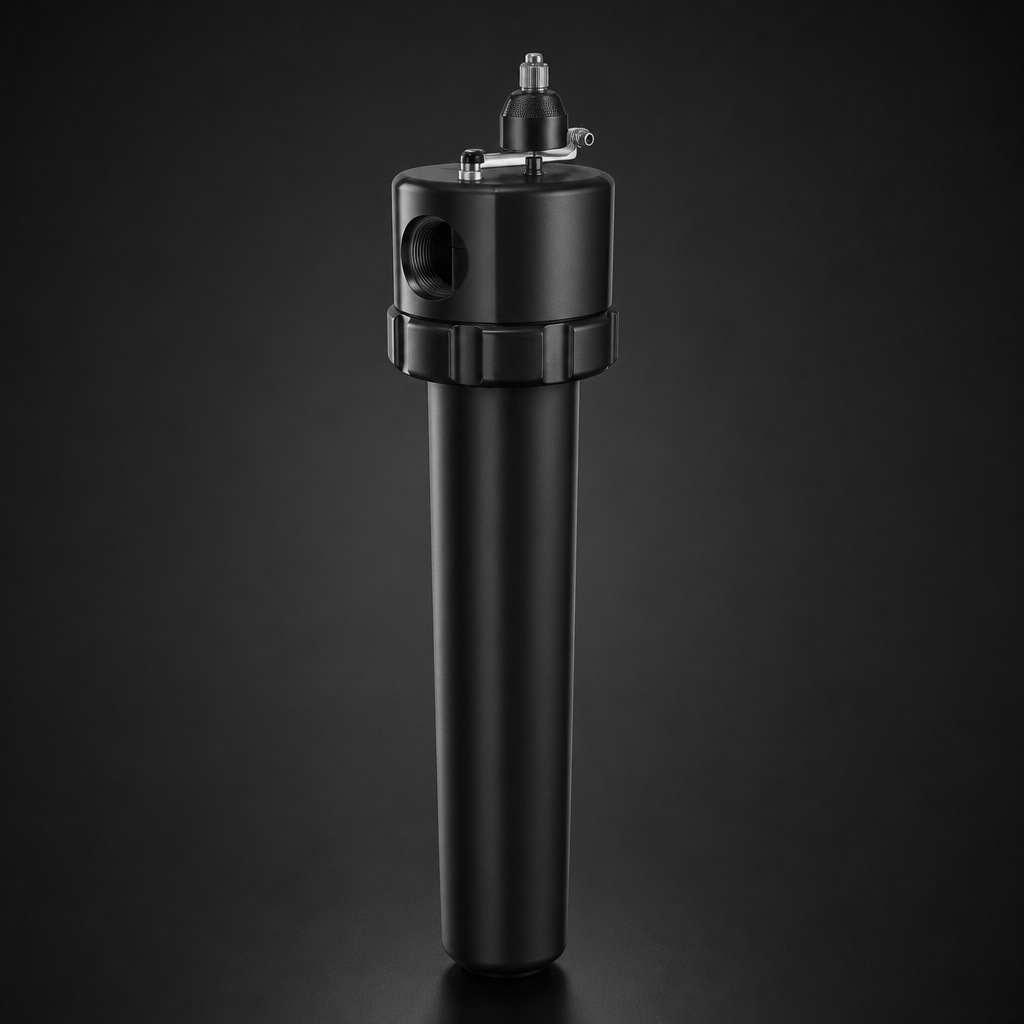
Druckverlust in Gasleitungen — Ursachen, Messung und wie die richtige Filterauswahl ihn minimiert
Druckverlust über einem Filter ist kein Defekt — er ist die unvermeidliche Folge des Durchströmens eines porösen Mediums. Doch wenn er übermäßig hoch ist, verschwendet er Energie und Geld. So lässt er sich minimieren.
Artikel lesen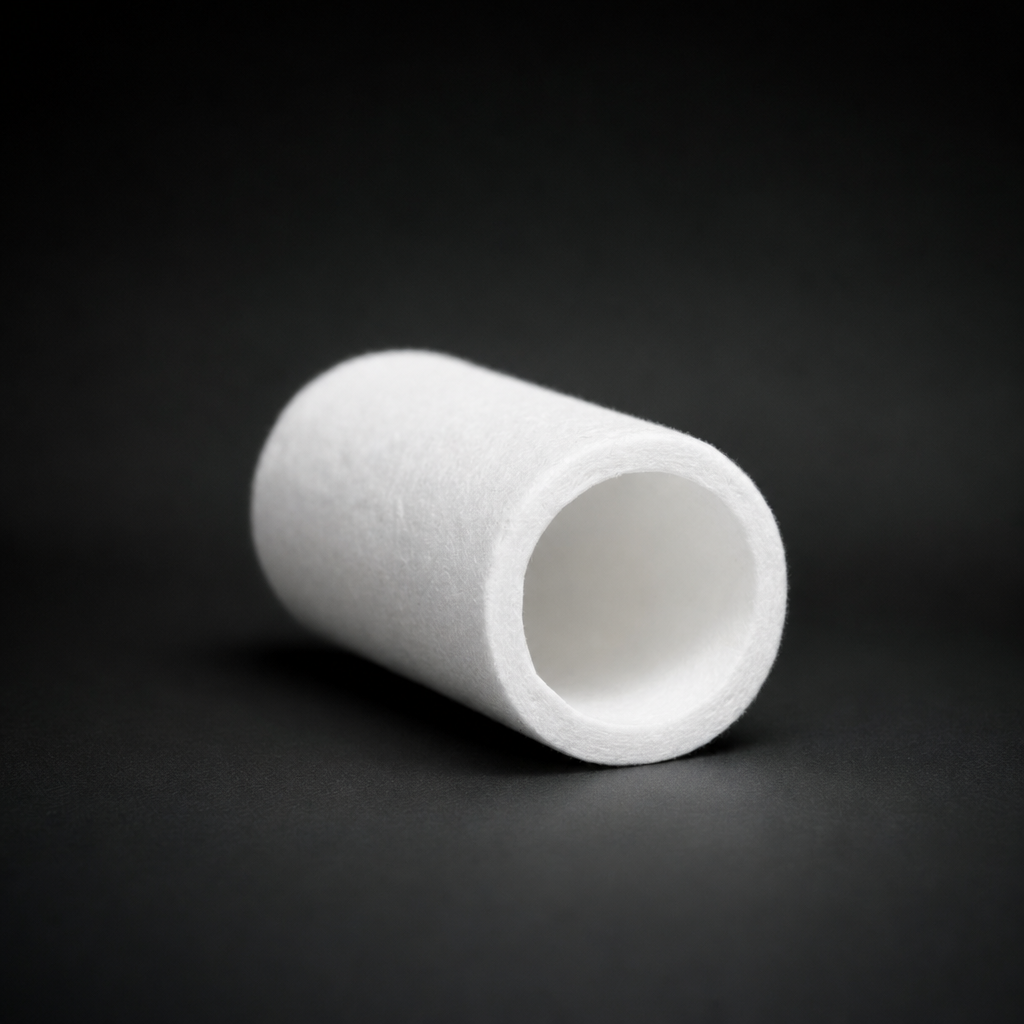
Partikel vs. Aerosole vs. Ölnebel — Verunreinigung identifizieren und den richtigen Filter wählen
Bevor Sie einen Filter auswählen, müssen Sie wissen, was Sie filtern. Partikel, Aerosole und Öldampf erfordern grundlegend unterschiedliche Filtrationsansätze. So erkennen Sie, womit Sie es zu tun haben.
Artikel lesen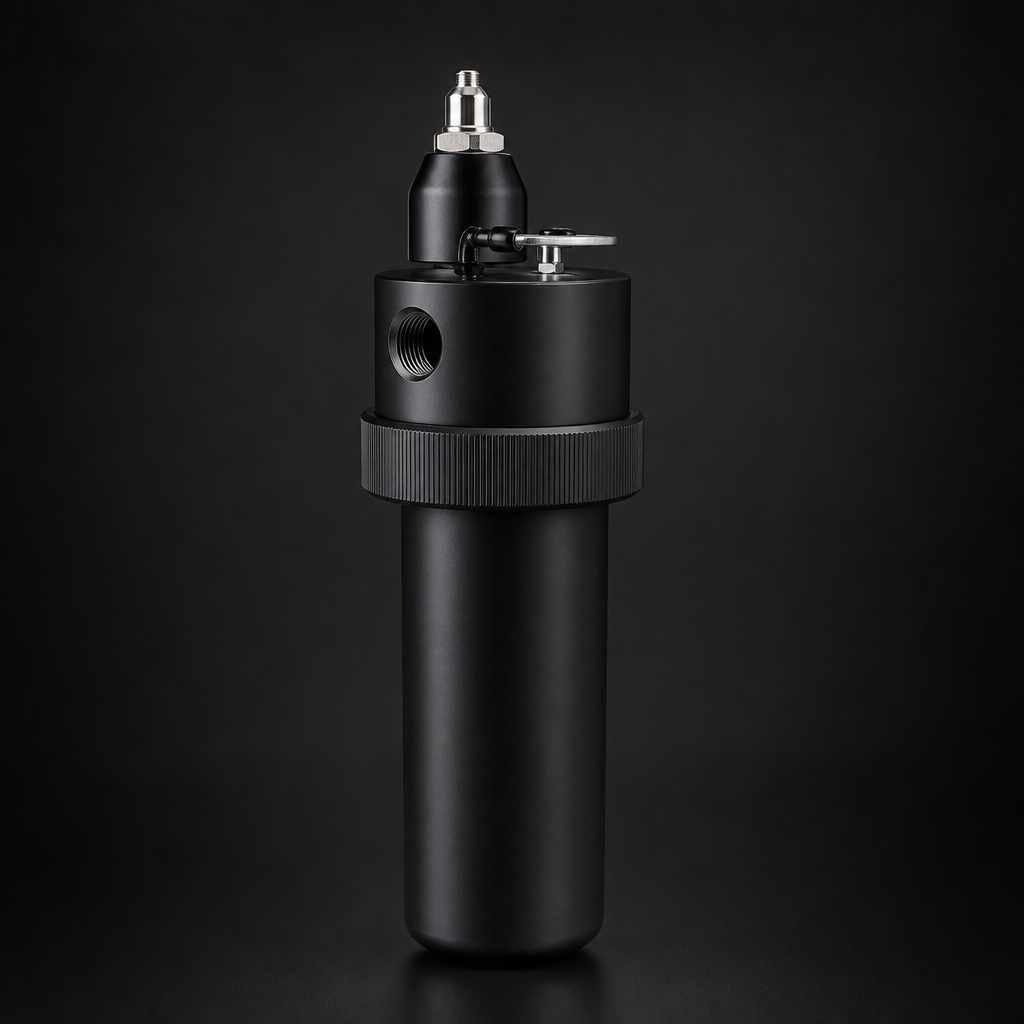
Coalescence Filters Explained — How Aerosols Form, and Why a Separator Is Not the Same as a Coalescer
Your system has a bulk separator. Is that enough? Almost certainly not — because separators and coalescers handle fundamentally different particle sizes. Here is why the distinction matters.
Artikel lesenFilter vor oder nach dem Kompressor? Häufige Installationsfehler in Druckluft- und Prozessgassystemen
Einen hochwertigen Filter an der falschen Position zu installieren ist dasselbe, als hätte man gar keinen Filter. Hier sind die Positionierungsfehler, die Ingenieure immer wieder machen – und das korrekte Systemlayout.
Artikel lesenProtecting Analytical Instruments — Why Small Particles Cause Big Measurement Errors
A 0.3 µm particle in your analyser sample line can cause hours of troubleshooting. Here is how proper sample conditioning filtration prevents measurement drift, false alarms, and premature sensor failure.
Artikel lesenHydrogen from Electrolysis — Typical Contaminants and a Practical Filtration Concept
Green hydrogen from electrolysis is only as clean as the filtration downstream of the electrolyser. Moisture, electrolyte droplets, and particles all need removing before the gas reaches storage, pipelines, or fuel cells.
Artikel lesen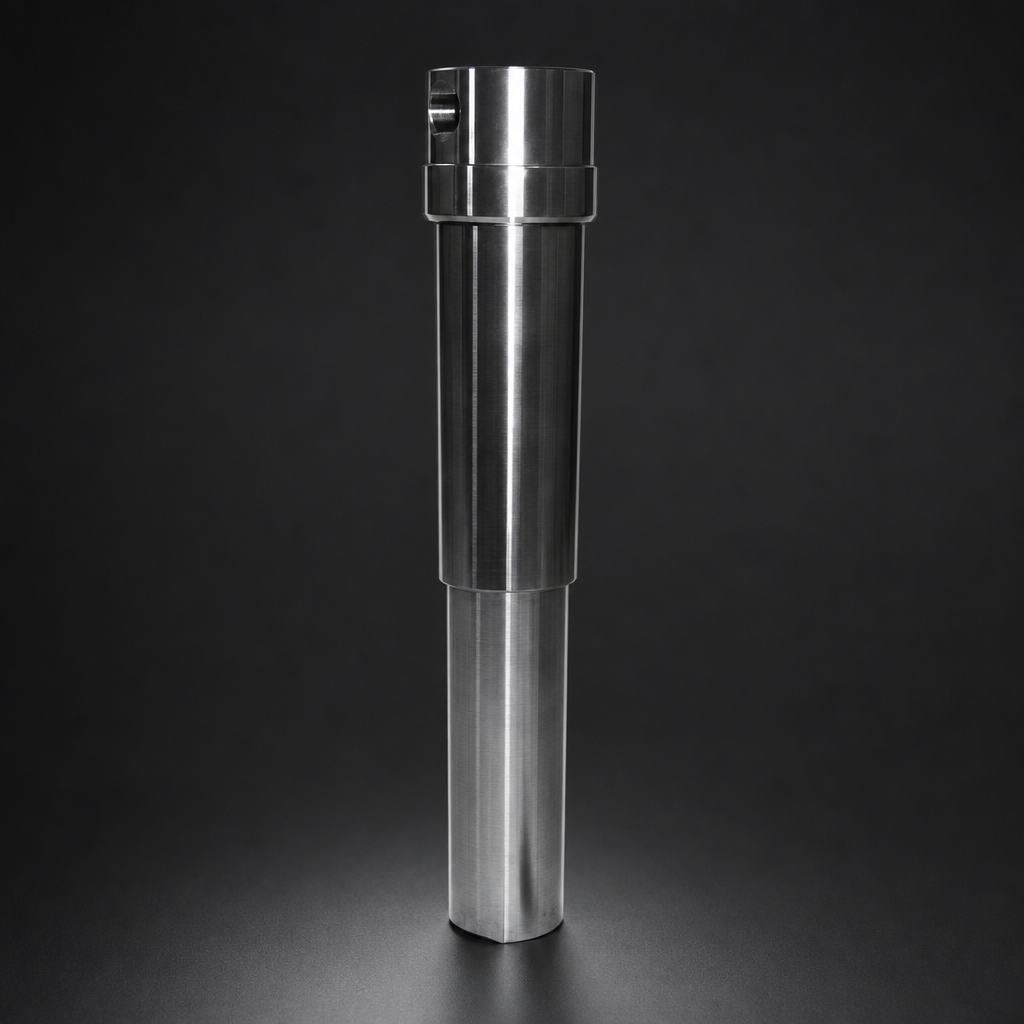
Oxygen Filtration — Material Requirements, Safety Considerations, and Purity Protection
Oxygen is not just another process gas — it is an aggressive oxidiser that turns ordinary materials into fire hazards. Filter housings and elements for oxygen service must meet strict material and cleanliness requirements.
Artikel lesen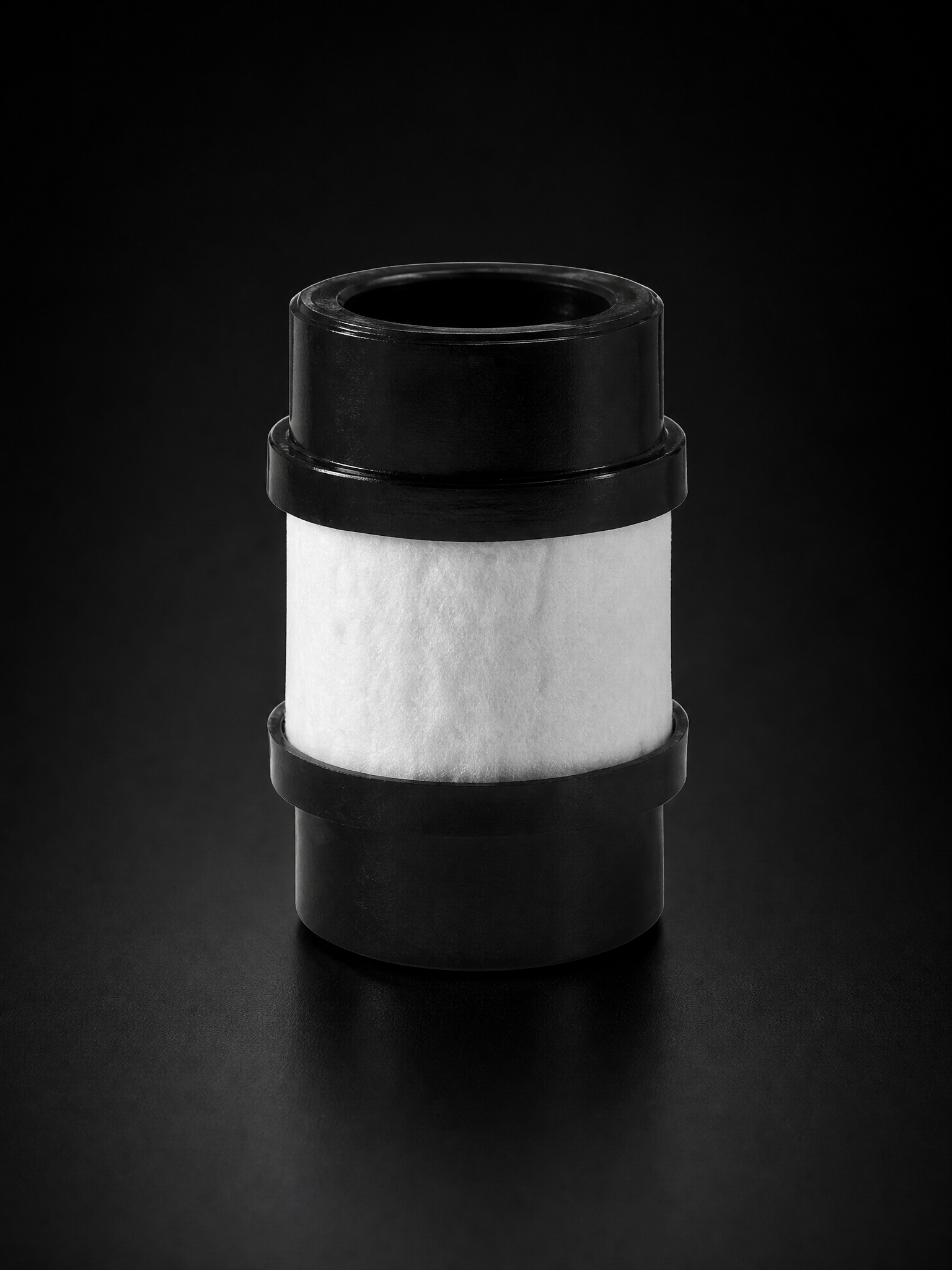
Protecting Your Dryer — What Must Be Removed Before TSA, PSA, and Adsorber Beds
Desiccant beds and adsorber cartridges are expensive. When oil aerosol or liquid water reaches them, the damage is irreversible. Pre-filtration is the only protection — and it is frequently omitted or undersized.
Artikel lesen
Filter Blocking Too Quickly? 9 Causes — and How to Systematically Rule Them Out
If your filter elements are lasting weeks instead of months, the filter itself is rarely the problem. Here are nine systematic causes to check — from upstream contamination to incorrect element grade.
Artikel lesenMaterial Compatibility — Choosing Filter Media and Housings for Aggressive Gases, Moisture, and Chemical Traces
Selecting the wrong material for your filter housing or element is not just a maintenance problem — it is a safety risk. Here is how to match materials to your gas composition.
Artikel lesen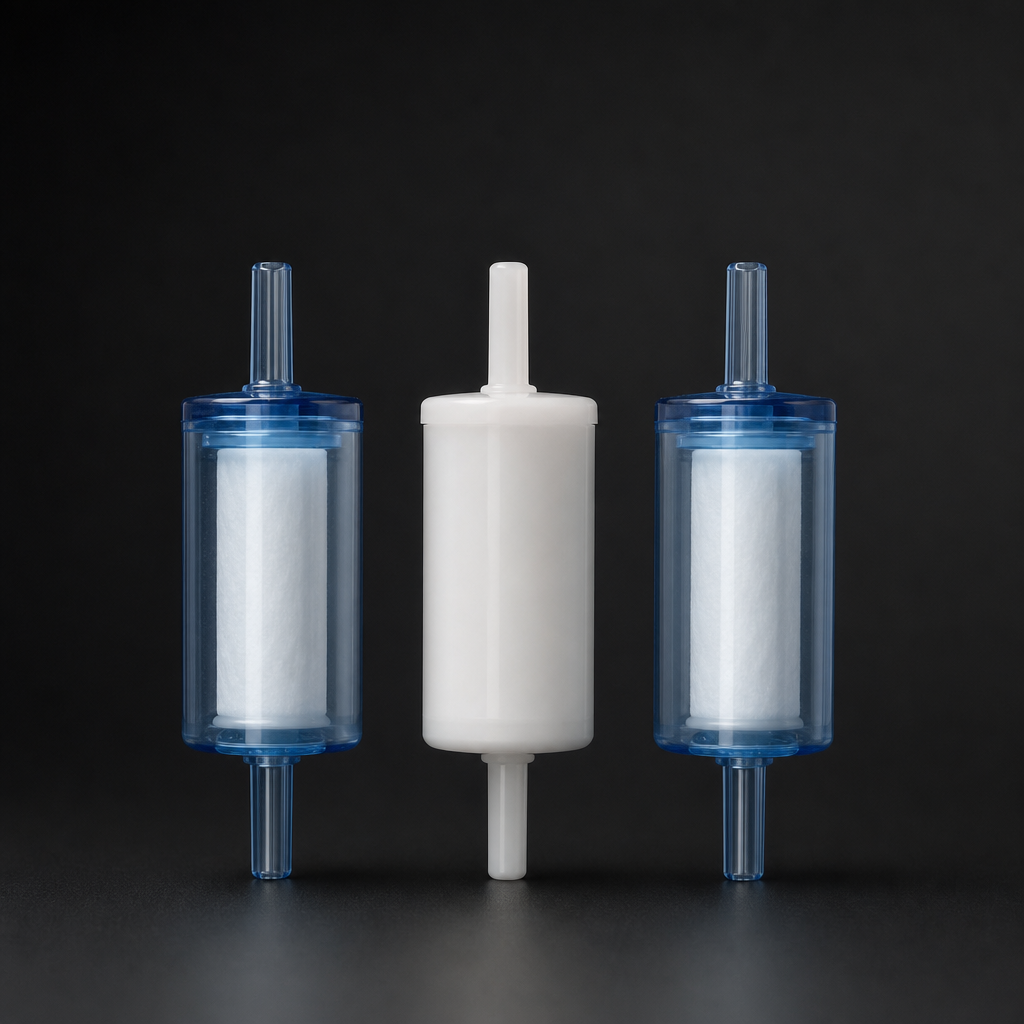
Sterile and High-Purity Gas Filtration — What Particle Class and Separation Efficiency Mean in Practice
Your specification says "99.99% efficiency at 0.01 µm" — but what does that actually mean for your process? Here is a practical, standards-light explanation of high-purity gas filtration.
Artikel lesenKurbelgehäuseentlüftung — Standzeiten von Filterelementen in CCV- und OCV-Systemen verlängern
Blow-by-Gas aus Motoren enthält Ölnebel, Ruß und saure Dämpfe, die Filterelemente vorzeitig zerstören — sofern das Koaleszenzelement nicht exakt auf die Betriebsbedingungen abgestimmt ist. Diese Faktoren entscheiden darüber, ob Ihr CCV-Filter Monate oder Jahre hält.
Artikel lesenDisposable Inline Adsorbers — What They Can Do, What They Cannot, and How to Use Them Correctly
Inline adsorbers are compact, effective, and often misunderstood. Here is what activated carbon cartridges actually remove, how long they last, and the mistakes that render them useless.
Artikel lesenSizing in 10 Minutes — What Data an Engineer Needs to Correctly Specify a Process Gas Filter
You need a process gas filter. Your supplier needs data. Here is the complete checklist — six parameters that determine every aspect of the filter specification, from housing material to element grade.
Artikel lesenKoaleszenz- vs. Partikelfilterelemente — Welches brauchen Sie wirklich?
Ihre Gasleitung ist verunreinigt. Aber handelt es sich um Aerosol oder Partikel? Die Antwort bestimmt, welches Filterelement Sie benötigen — eine Fehlentscheidung kostet Zeit, Geld und möglicherweise Ihre nachgeschalteten Anlagen.
Artikel lesenVakuumpumpen-Abgasfiltration — Warum Ölnebel Sie mehr kostet als Sie denken
Der leichte Ölschleier, der aus dem Abgas Ihrer Vakuumpumpe aufsteigt? Er ist nicht nur unangenehm — er belastet Ihr Wartungsbudget, kontaminiert Ihren Arbeitsbereich und bringt Sie möglicherweise in Konflikt mit Emissionsvorschriften.
Artikel lesen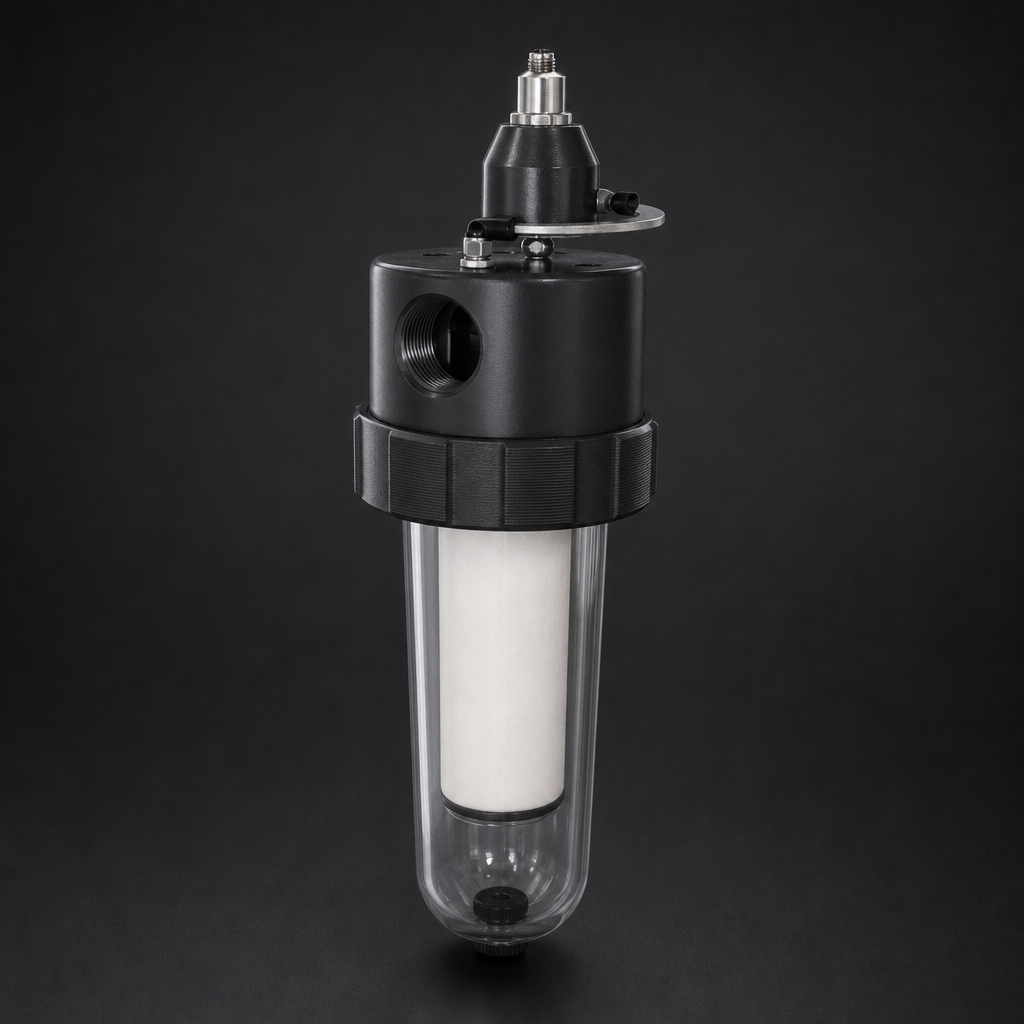
ISO 8573-1 Compressed Air Quality — What Engineers Actually Need to Know
ISO 8573-1 defines compressed air quality — but the standard itself can be confusing. Here is a practical breakdown of purity classes, what they mean for your process, and how to achieve them.
Artikel lesen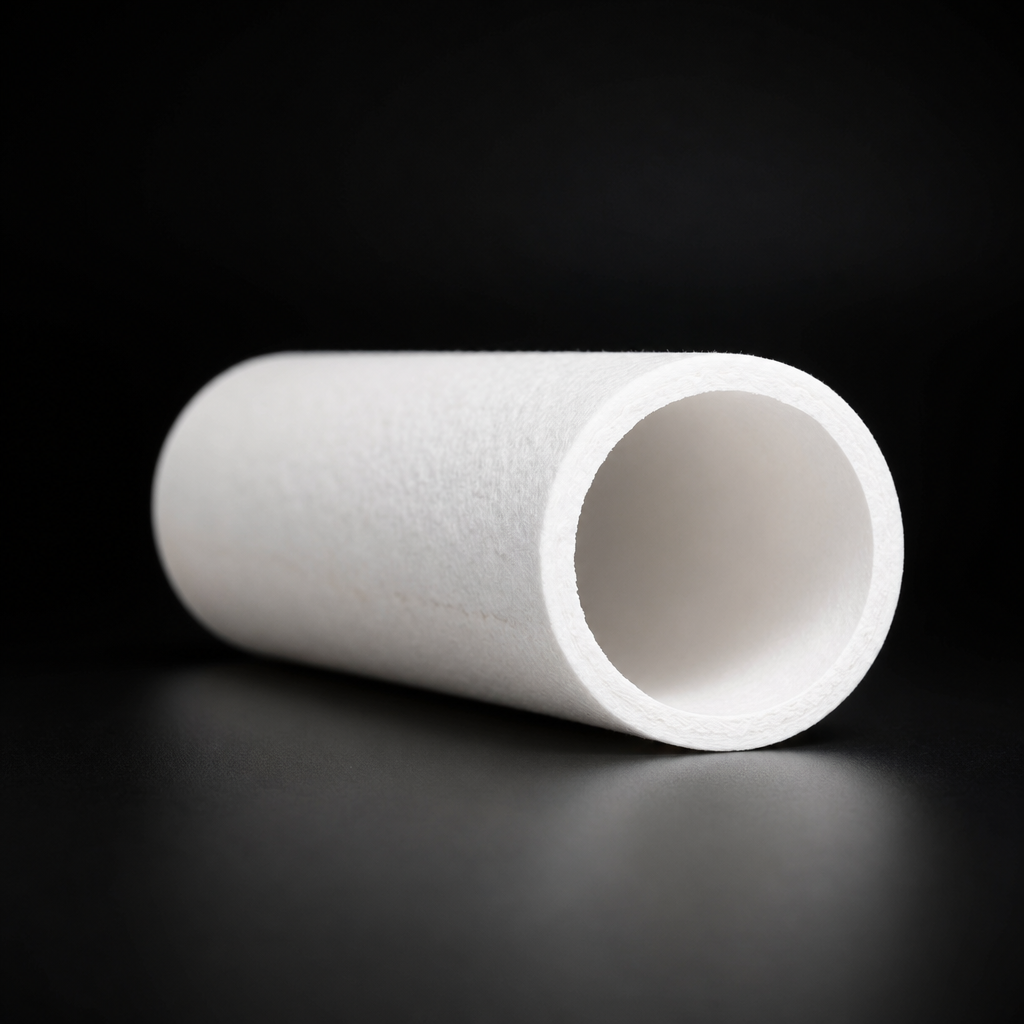
OEM Replacement Filter Elements — How to Safely Identify the Right Replacement Without Risk
Your current filter element needs replacing, but the original manufacturer is expensive, slow, or no longer available. Here is how to identify the right alternative — safely and without risk to your process.
Artikel lesen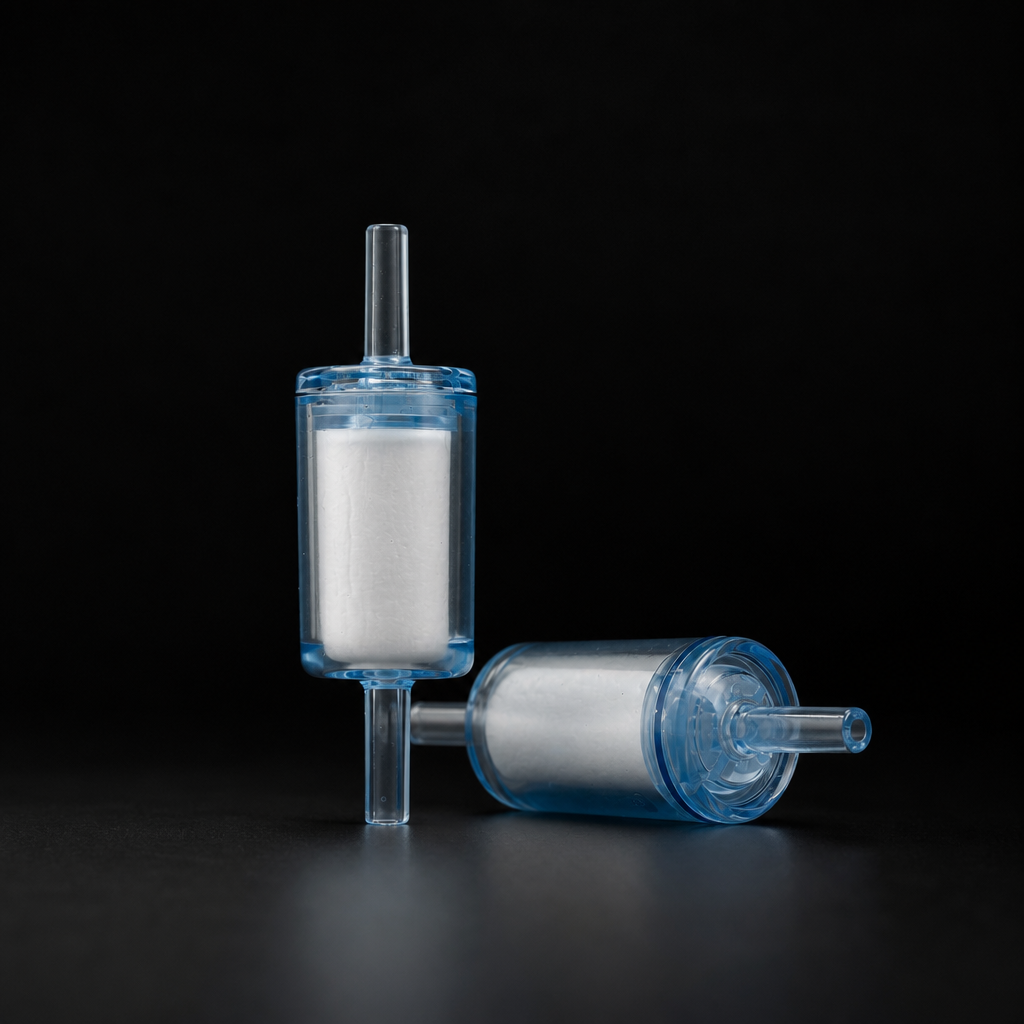
Final Filtration Before Use — Why Last-Metre Gas Filtration Is So Often Underestimated
Your gas was clean when it left the treatment plant. By the time it reaches the point of use, it is not. Pipe scale, valve debris, seal particles, and condensate accumulate in every metre of distribution piping.
Artikel lesen