When compressed air is used for breathing — whether in supplied-air respirators, airline breathing apparatus, or sandblasting hoods — the stakes are fundamentally different from any other industrial gas application. A contaminated instrument air line may damage a sensor. Contaminated breathing air can kill. Understanding the breathing air filtration standard that governs your system is not a compliance formality; it is a life-safety obligation.
This guide explains what EN 12021 demands, how those demands translate into a multi-stage filtration train, and which R+F FilterElements products are engineered to meet them reliably in industrial environments.
Why Breathing Air Is a Different Category Entirely
Most compressed air quality standards — including the widely referenced ISO 8573-1 guide — define quality classes for instrument air, process air, and general industrial use. Breathing air sits outside those classes. It is governed by dedicated legislation and standards because the human respiratory system is far more sensitive than any pneumatic actuator or analytical instrument.
In Europe, the primary reference is EN 12021:2014, Respiratory protective equipment — Compressed gases for breathing apparatus. In the UK, the same standard applies post-Brexit under BS EN 12021. Occupational health regulations in Germany (DGUV Rule 112-190) and equivalent frameworks across the EU explicitly reference EN 12021 as the minimum acceptable quality for supplied breathing air.
Failure to meet EN 12021 limits is not merely a regulatory infraction. It exposes workers to carbon monoxide poisoning, oxygen deficiency, oil mist inhalation, and moisture-related respiratory damage — all of which can cause irreversible harm within minutes of exposure.
What EN 12021 Actually Requires
EN 12021 sets absolute limits on the key contaminants present in compressed air. These are not "best practice" targets — they are maximum permissible concentrations for air that a person will breathe continuously during a working shift.
| Contaminant | EN 12021 Limit | Rationale |
|---|---|---|
| Oxygen (O₂) | 21 ± 1 vol% (20–22%) | Below 19.5% causes hypoxia; above 23% increases fire risk |
| Carbon monoxide (CO) | ≤ 5 ppm (v/v) | Odourless, colourless; binds haemoglobin; lethal at >200 ppm |
| Carbon dioxide (CO₂) | ≤ 500 ppm (v/v) | Causes headache and impaired judgement at elevated levels |
| Oil (total hydrocarbons) | ≤ 0.5 mg/m³ | Includes aerosols and vapour; causes lipoid pneumonia |
| Water vapour (pressure dew point) | ≤ −11 °C PDP at max working pressure | Prevents condensation in breathing apparatus and microbial growth |
| Odour / taste | No unacceptable odour or taste | Subjective but legally enforceable; often indicates lubricant contamination |
The CO limit of 5 ppm is particularly demanding. Ambient workshop air can already contain 5–20 ppm CO from combustion sources, and a reciprocating compressor with a worn cylinder or overheated lubricant can generate CO internally. This is why the breathing air filtration standard cannot be met by filtration alone in all cases — catalytic conversion is sometimes required.
The Three Contamination Sources You Must Address
Before specifying a filtration train, it is worth understanding where each contaminant originates. This determines which filter stages are mandatory and which are precautionary.
1. Compressor-Derived Contamination
Oil-lubricated reciprocating and rotary screw compressors introduce lubricant aerosols and vapour into the air stream. Even oil-free compressors can introduce hydrocarbons from intake air contamination. Compressor overheating — caused by worn rings, inadequate cooling, or high ambient temperatures — can produce carbon monoxide through partial oxidation of lubricant. This is the most dangerous failure mode in breathing air systems and the reason EN 12021 mandates CO monitoring or catalytic conversion in many applications.
2. Atmospheric Contamination
The compressor intake draws in whatever is present in the surrounding atmosphere. In industrial facilities, this may include solvent vapours, exhaust fumes, welding fumes, and elevated CO₂ from combustion processes. Siting the compressor intake in a clean, well-ventilated location is the first line of defence — but it cannot be the only one.
3. Distribution System Contamination
Pipework corrosion, condensate accumulation, and microbial growth in moisture-laden lines all contribute particulate and biological contamination downstream of the compressor. A well-designed breathing air system includes point-of-use filtration as the final barrier, regardless of what treatment has been applied upstream.
Neglecting element replacement schedules:
Designing a Compliant Multi-Stage Filtration Train
Meeting EN 12021 breathing air quality requirements reliably requires a staged approach. Each stage targets a specific contaminant class, and the stages must be sequenced correctly to protect downstream elements from premature loading.
Stage 1: Bulk Liquid and Particulate Removal
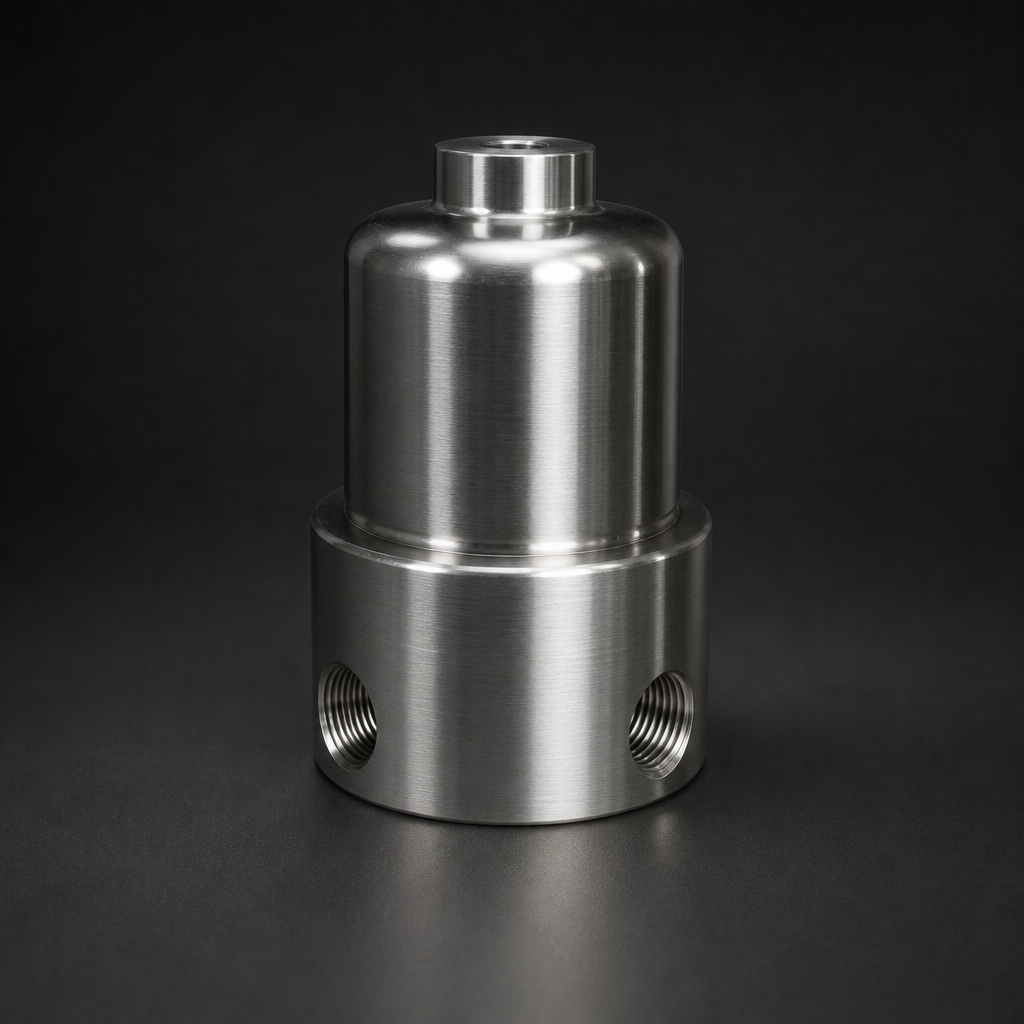
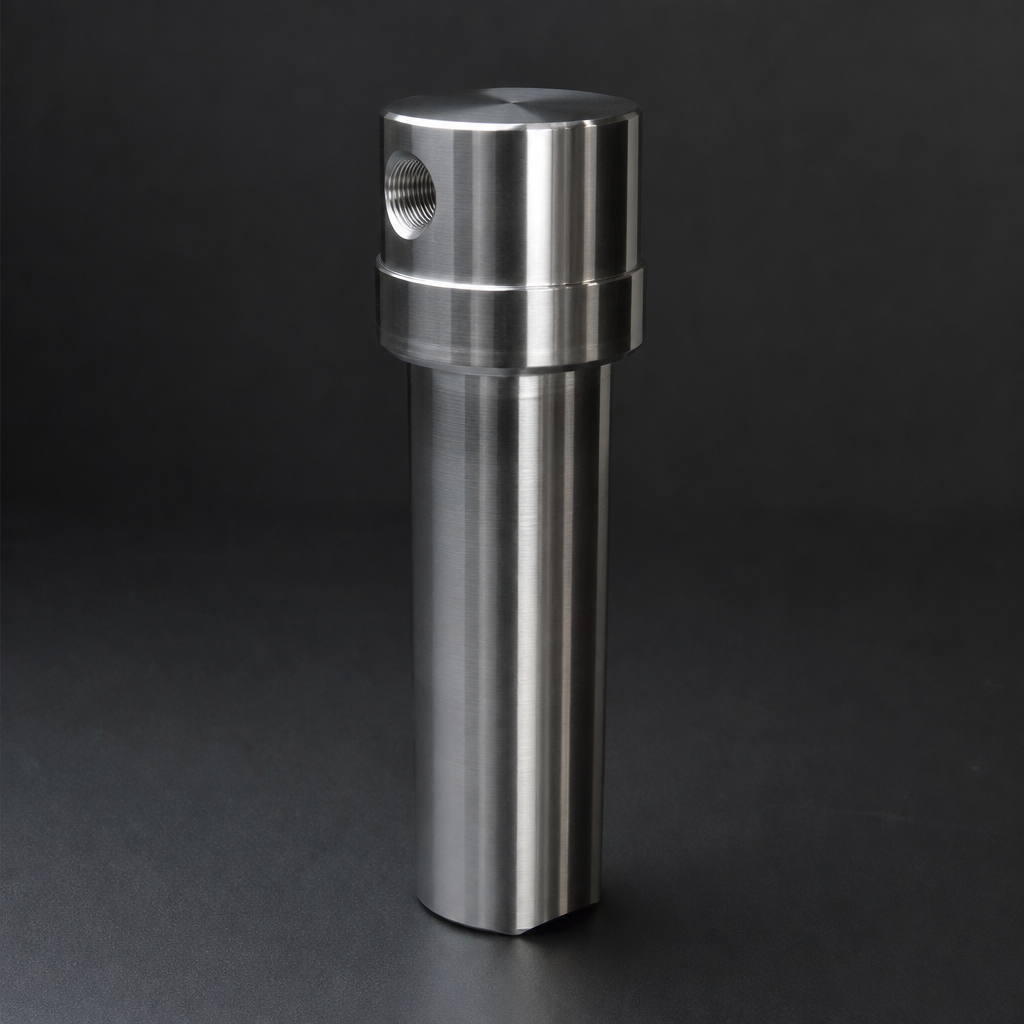
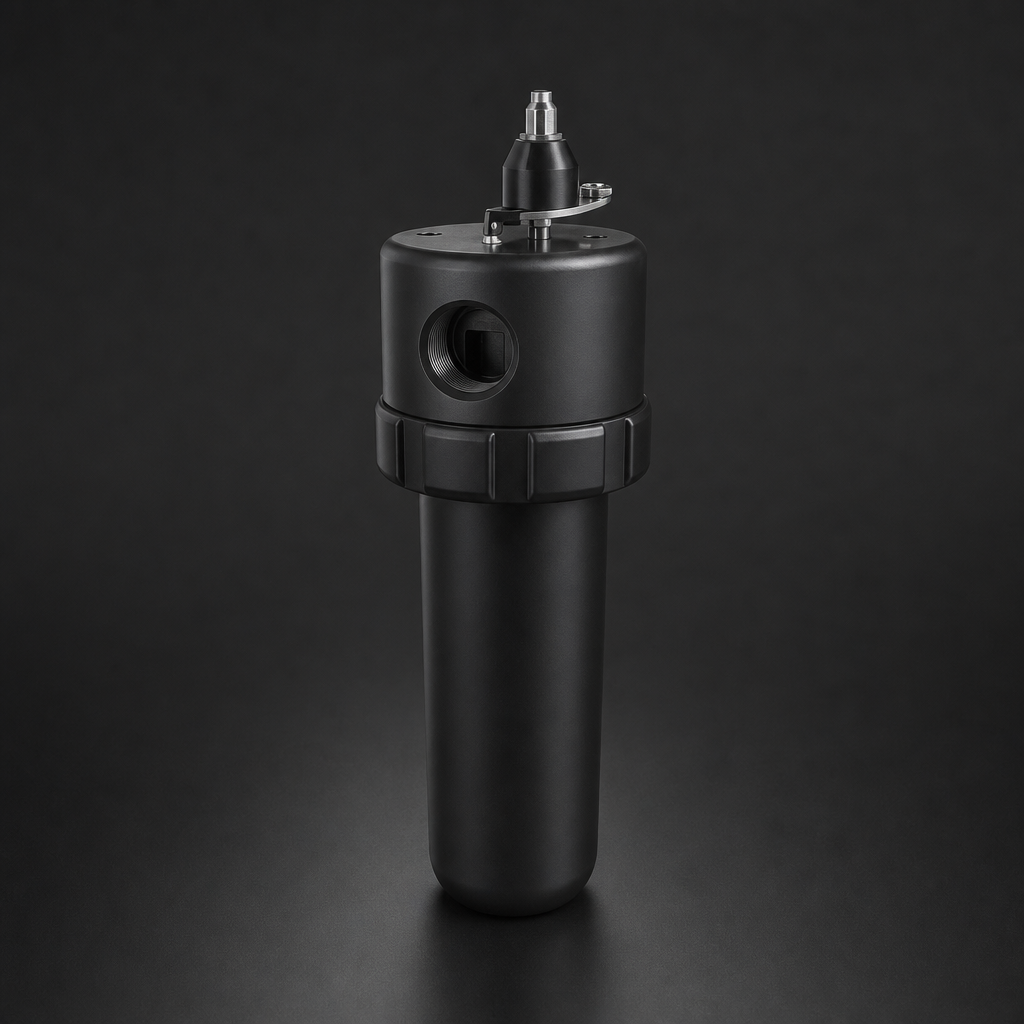
The first stage removes bulk water, bulk oil, and coarse particulate from the compressed air stream. A high-efficiency coalescing filter is the standard choice. R+F FilterElements offers the RF-H-310 to RF-H-395 series of compressed air filter housings, fitted with RF-C coalescing elements manufactured from borosilicate glass microfibre. These elements achieve 99.99% efficiency for aerosols ≥ 0.1 µm, with a residual oil aerosol content of ≤ 0.01 mg/m³ — well below the EN 12021 oil limit even at this first stage.
For breathing air applications, the compressed air filter range should be sized conservatively — typically at 60–70% of rated flow — to maintain efficiency under variable demand conditions.
Stage 2: Activated Carbon Adsorption
The second stage removes oil vapour, odour, and taste compounds that pass through the coalescing stage in vapour form. Activated carbon adsorption is the established technology for this duty. R+F FilterElements supplies RF-AC activated carbon elements, which reduce residual oil vapour to ≤ 0.003 mg/m³ — a factor of 167 below the EN 12021 limit of 0.5 mg/m³. This substantial safety margin is important because adsorption capacity diminishes with temperature and as the carbon bed approaches saturation.
Carbon elements must be replaced on a scheduled basis — typically every 6 months or 2,000 operating hours, whichever comes first — regardless of apparent condition. Unlike coalescing elements, a saturated carbon bed gives no visible indication of failure.
Stage 3: Final Particulate Polishing
A final-stage particulate filter using an RF-P element (99.99% efficiency ≥ 0.3 µm) captures any carbon fines shed from the adsorption stage and provides a clean, particle-free air stream at the point of use. This stage also acts as a safeguard against any particulate generated within the distribution pipework downstream of the main treatment train.
For point-of-use applications — particularly where individual breathing air outlets are distributed across a large facility — RF-DIL disposable inline filters provide a compact, cost-effective final barrier at each connection point.
Stage 4: Carbon Monoxide Management
CO cannot be removed by coalescing or adsorption filtration. There are two approaches to managing CO in a breathing air system:
- Catalytic CO conversion: A hopcalite or platinum-group catalyst oxidises CO to CO₂ at ambient temperature. This is the preferred approach for continuous-duty systems where CO generation from the compressor is a credible risk. The CO₂ produced is well within EN 12021 limits at the concentrations involved.
- Continuous CO monitoring with automatic shut-off: An electrochemical CO sensor monitors the air stream and triggers an alarm and supply shut-off if CO exceeds the 5 ppm limit. This approach is appropriate where catalytic conversion is not installed, but it requires a reliable power supply, regular sensor calibration, and a tested emergency shut-off procedure.
Many breathing air system designers specify both catalytic conversion and CO monitoring as complementary layers of protection. This is strongly recommended for any application where the consequences of CO exposure are severe — confined space entry, long-duration respiratory protection, or applications where workers cannot quickly self-rescue.
Moisture Control: The Often-Overlooked Requirement
EN 12021 requires a pressure dew point of ≤ −11 °C at the maximum working pressure of the breathing apparatus. This is equivalent to approximately −26 °C PDP at atmospheric pressure — significantly drier than the ISO 8573-1 Class 4 limit of +3 °C PDP that is acceptable for many industrial applications.
Achieving this level of dryness requires a refrigeration dryer as a minimum, and in many cases a desiccant dryer is necessary — particularly where the breathing air is stored in cylinders or used at high pressures. Moisture in breathing air is not merely a comfort issue: it promotes microbial growth in distribution lines, causes corrosion in breathing apparatus, and can freeze in cold environments, blocking air supply to the user.
The filter elements range from R+F FilterElements includes options for high-moisture-load applications, with FKM/Viton seals rated to 200 °C for compatibility with hot, wet air streams entering the treatment train from high-pressure compressors.
Use our free Engineering Tool to get a filtration recommendation for your specific application in under 2 minutes.
System Validation and Ongoing Monitoring
Installing a compliant filtration train is necessary but not sufficient. EN 12021 and associated occupational health regulations require that breathing air quality is verified by periodic testing. The recommended testing frequency varies by jurisdiction, but quarterly testing by an accredited laboratory is a widely accepted minimum for continuous-use systems.
Testing should cover all EN 12021 parameters: O₂, CO, CO₂, oil (total hydrocarbons), water vapour, and odour/taste. Samples should be taken at the point of use — not at the compressor outlet — to capture any contamination introduced by the distribution system.
Maintenance records for all filter elements, dryers, and CO management equipment should be retained and made available for inspection. In Germany, DGUV regulations require documented evidence of system maintenance and air quality testing as part of the employer's duty of care.
Selecting the Right R+F FilterElements Products for Your Breathing Air System
R+F FilterElements offers its own range of compressed air filtration products specifically suited to breathing air applications. The following configuration is appropriate for a typical industrial breathing air supply system serving 4–8 users simultaneously:
| Stage | R+F Product | Function | Key Specification |
|---|---|---|---|
| 1 — Coalescing | RF-H-340 + RF-C-25064 | Bulk oil aerosol and liquid water removal | ≤ 0.01 mg/m³ residual oil aerosol; 99.99% @ ≥ 0.1 µm |
| 2 — Adsorption | RF-H-340 + RF-AC-25064 | Oil vapour, odour, and taste removal | ≤ 0.003 mg/m³ residual oil vapour |
| 3 — Particulate polish | RF-H-340 + RF-P-25064 | Carbon fines and particulate removal | 99.99% @ ≥ 0.3 µm |
| 4 — Point of use | RF-DIL inline filter | Final barrier at each breathing air outlet | Compact; disposable; no tools required |
All RF-H-310 to RF-H-395 series housings are rated to 17 bar and are available with NBR seals for standard duty or FKM/Viton seals for elevated-temperature applications. Housing sizes are available to cover flow rates from a single-user portable system up to large multi-user installations serving 12,000 Nm³/h.
For guidance on sizing your breathing air filtration system correctly, the R+F sizing wizard allows you to input your flow rate, inlet pressure, and temperature to identify the appropriate housing and element combination.
Common Mistakes That Compromise Breathing Air Quality
Even well-intentioned breathing air systems frequently fail EN 12021 testing due to avoidable errors:
- Oversizing the compressor without resizing the filtration train: Operating at a fraction of rated flow reduces velocity through the element and can impair coalescing efficiency.
- Neglecting element replacement schedules: A carbon adsorption element can be chemically exhausted while still showing acceptable differential pressure. Time-based replacement is mandatory.
- Omitting point-of-use filtration: Distribution pipework introduces particulate and corrosion products that bypass the main treatment train. A final-stage filter at each outlet is not optional in a life-safety system.
- Assuming oil-free compressors eliminate the oil filtration requirement: Oil-free compressors can still introduce atmospheric hydrocarbons. Coalescing and adsorption stages remain necessary.
Summary: What a Compliant Breathing Air System Looks Like
A breathing air system that reliably meets the EN 12021 breathing air filtration standard combines correct compressor selection, a properly sequenced multi-stage filtration train, effective moisture control, CO management, and a documented maintenance and testing programme. No single component can substitute for the others.
R+F FilterElements, a German-based filtration specialist, supplies the coalescing, adsorption, and particulate filter elements and housings that form the core of a compliant filtration train. All products are manufactured to European engineering standards and are available with the technical documentation required for regulatory compliance.
If you are designing a new breathing air system or reviewing an existing installation for EN 12021 compliance, contact the R+F FilterElements engineering team at [email protected] or use the online enquiry form to discuss your specific requirements.
- Most compressed air quality standards — including the widely referenced ISO 8573-1 guide — define quality classes for instrument air, process air, and general industrial use.
- breathing air filtration standard
- Before specifying a filtration train, it is worth understanding where each contaminant originates.
- breathing air quality