Der erste Schritt ist nicht die Filterauswahl – sondern die Problemidentifikation
Die meisten Ingenieure nähern sich der Gasfiltration, indem sie zunächst Produkte betrachten: Gehäuse, Elemente, Spezifikationen. Doch die wichtigste Frage kommt vor all dem: Was genau verunreinigt Ihr Gas?
Die Antwort bestimmt alles – den Filtertyp, das Filtermedium, die Elementgüte und ob eine Stufe ausreicht oder mehrere erforderlich sind. Wird die Diagnose falsch gestellt, löst kein noch so aufwändiges Filtrationskonzept das Problem.
Die drei Arten der Gasverunreinigung
Jede Gasverunreinigung lässt sich einer von drei grundlegenden Kategorien zuordnen. Jede erfordert einen anderen Filtrationsmechanismus:
Feststoffpartikel
Staub, Rost, Zunder, Rohrleitungsrückstände, Schweißspritzer, Katalysatorfeinstäube. Diskrete Feststoffpartikel, die durch eine physikalische Barriere abgeschieden werden können.
Flüssiges Aerosol
Ölnebel, Wassernebel, Kohlenwasserstoffkondensat, Elektrolyttröpfchen. Submikron-Flüssigkeitströpfchen, die wie ein Nebel im Gasstrom suspendiert sind.
Dampf- / Gasphase
Öldampf, Lösemitteldampf, Geruchsstoffe, chemische Spurenverunreinigungen. Gasförmige Schadstoffe, die im Trägergas gelöst sind – unsichtbar und für jeden mechanischen Filter passierbar.
Warum diese Unterscheidung entscheidend ist
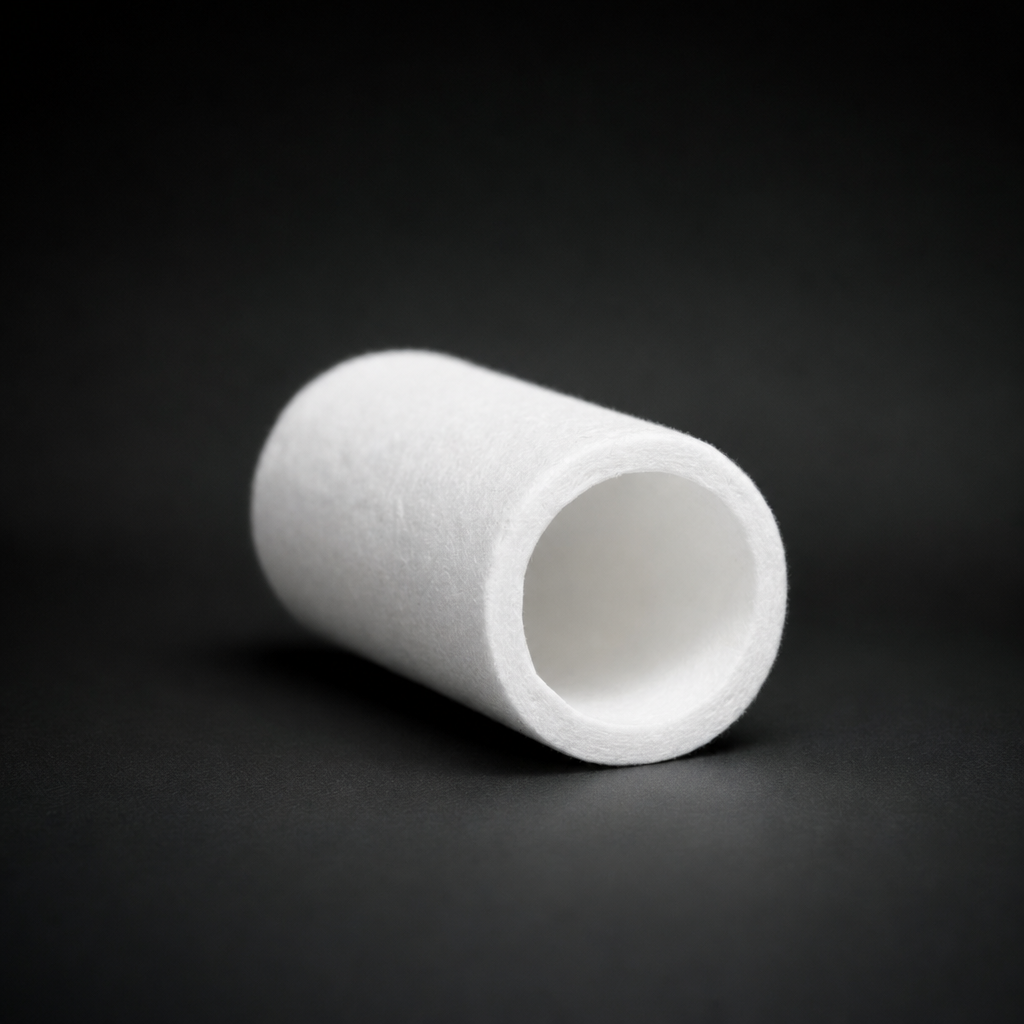
Partikelfilterelemente halten Feststoffe durch mechanische Filtration zurück. Koaleszenzfilterelemente erfassen und entwässern flüssige Aerosole durch Koaleszenz. Adsorber (Aktivkohle) entfernen dampfförmige Verunreinigungen durch Adsorption. Den falschen Typ für den vorhandenen Schadstoff einzusetzen ist so, als würde man versuchen, Nebel mit einem Sieb aufzufangen.
So identifizieren Sie die vorliegende Verunreinigung
In vielen Fällen lässt sich der primäre Verunreinigungstyp anhand beobachtbarer Symptome bestimmen – ohne Laboranalyse:
| Symptom | Verunreinigungstyp | Erforderlicher Filter |
|---|---|---|
| Schwarze, braune oder graue Ablagerungen in Rohrleitungen oder auf Oberflächen | Feststoffpartikel (Rost, Ruß, Zunder) | Partikelfilterelement |
| Sichtbarer Dunst oder Nebel an Abluft- oder Entlüftungspunkten | Flüssiges Aerosol (Öl- oder Wassernebel) | Koaleszensfilterelement |
| Flüssigkeitsansammlungen in nachgeschalteten Anlagen, Entwässerungen oder Tiefpunkten | Hohe Flüssigkeitsbeladung (Kondensat oder Öl) | Koaleszensfilterelement + Grobabscheider |
| Ölgeruch in Druckluft oder Abgasstrom | Öldampf (Gasphase) | Aktivkohle-Adsorber |
| Messwertdrift, Sensorausfall, fehlerhafte Analysatormesswerte | Gemischt (Partikel + Aerosol) | Mehrstufig: Partikelfilter + Koaleszenz |
| Schnelle Filterverstopfung (Wochen statt Monate) | Hohe Partikelbeladung oder falscher Elementtyp | Vorfilter + korrekter Elementgrad |
| Klebrige Rückstände auf Anlagenoberflächen | Kombination aus Aerosol und Dampf | Koaleszenz + Aktivkohle |
Feststoffpartikel-Verunreinigung im Detail
Feststoffpartikel sind die am einfachsten zu verstehende Verunreinigungsart und in Rohrleitungssystemen die häufigste. Typische Quellen sind:
- Rohrkorrosion: Rost und Zunder aus Kohlenstoffstahlrohrleitungen – die häufigste Quelle
- Baustellenrückstände: Schweißspritzer, Gewindedichtmittel, Rohrspäne aus Montage oder Wartung
- Kompressorverschleiß: Metallpartikel aus Lagern, Ventilen und Kolbenringen
- Prozessverunreinigungen: Katalysatorfeinstäube, Pulver, Produktpartikel, die vom Gas mitgeführt werden
Partikelfilterelemente sind in Güten von PF (grob, >5 µm) bis UX (ultrafein, 99,9999 % bei 0,01 µm) erhältlich. Die erforderliche Güte richtet sich nach dem nachgeschalteten Schutzbedarf.
Flüssige Aerosol-Verunreinigung im Detail
Flüssige Aerosole sind der am häufigsten missverstandene Verunreinigungstyp. Es handelt sich um Submikron-Tröpfchen – typischerweise 0,1 bis 1,0 µm – die sich eher wie ein Gas als wie sichtbare Flüssigkeit verhalten. Sie passieren Partikelfilterelemente ungehindert.
Häufige Quellen sind:
- Ölverschleppung aus Kompressoren: Ölgeschmierte Kompressoren bringen Ölaerosol in den Druckgasstrom ein
- Kondensation: Wasserdampf, der kondensiert, wenn die Temperatur unter den Taupunkt fällt
- Prozessflüssigkeiten: Elektrolyttröpfchen (Elektrolyseure), Kühlwasser (Wäscher), Kohlenwasserstoffkondensat
- Vakuumpumpenabluft: Ölnebel aus dem Sperrölkreislauf
Die Partikelfilterfalle
Ein Partikelfilterelement scheidet einige größere Tröpfchen ab – was den Eindruck erweckt, es funktioniere. Doch das Submikron-Aerosol passiert es ungehindert. Innerhalb weniger Wochen zeigt die nachgeschaltete Anlage Ölverunreinigungen, obwohl der Filter äußerlich sauber wirkt. Dies ist die häufigste Fehldiagnose in der Gasfiltration.
Dampfphasen-Verunreinigung im Detail
Öldampf und chemische Dämpfe liegen in der Gasphase vor – sie sind unsichtbar, in der Regel geruchlos und passieren jeden mechanischen Filter. Weder Partikelfilter- noch Koaleszenzfilterelemente können sie entfernen.
Aktivkohle-Adsorption ist die Standardlösung. Aktivkohle-Adsorber nutzen die enorme innere Oberfläche von Aktivkohlegranulat, um Dampfmoleküle durch physikalische Adsorption zu binden.
Adsorber benötigen Schutz
Aktivkohle-Adsorber müssen immer einem Koaleszenzfilter nachgeschaltet sein. Gelangt flüssiges Aerosol in das Aktivkohlebett, werden die Porenstrukturen geflutet und die Adsorptionskapazität nahezu sofort zerstört. Die Reihenfolge muss zwingend eingehalten werden: Partikelfilter → Koaleszenzfilter → Adsorber.
Bei mehreren gleichzeitigen Verunreinigungstypen
In der Praxis enthalten die meisten Gasströme eine Kombination verschiedener Verunreinigungstypen. Druckluft aus einem ölgeschmierten Kompressor enthält gleichzeitig Partikel, Ölaerosol, Wasseraerosol und Öldampf. Die Lösung ist eine mehrstufige Filtration in der richtigen Reihenfolge:
Stufe 1: Vorfilter
Entfernt grobe Partikel und größere Flüssigkeitsmengen. Schützt nachgeschaltete Filterelemente vor vorzeitiger Beladung.
Stufe 2: Hochleistungs-Koaleszenzfilter
Entfernt Submikron-Flüssigkeitsaerosole (Öl und Wasser) auf unter 0,01 mg/m³. Das Herzstück jeder Aufbereitungsanlage.
Stufe 3: Aktivkohle-Adsorber
Entfernt Öldampf und chemische Spurenverunreinigungen. Nur erforderlich, wenn dampfförmige Verunreinigungen kontrolliert werden müssen.
Kernaussage
Identifizieren Sie die Verunreinigung, bevor Sie einen Filter auswählen: Feststoffe erfordern Partikelfilterelemente, Aerosole erfordern Koaleszenzfilter, Dämpfe erfordern Adsorber. Die meisten realen Anwendungen benötigen mindestens zwei Stufen. Die obige Diagnosetabelle deckt die häufigsten Symptome ab – stimmt Ihr Fall überein, ergibt sich der erforderliche Filtertyp unmittelbar daraus.
Verunreinigung bekannt? Finden Sie den richtigen Filter.
Wählen Sie Ihre Anwendung und den Verunreinigungstyp im Engineering-Tool – es empfiehlt das passende Gehäuse, das geeignete Element und die erforderliche Filtrationstufe.