
Soda lime for CO₂ and acid gas removal
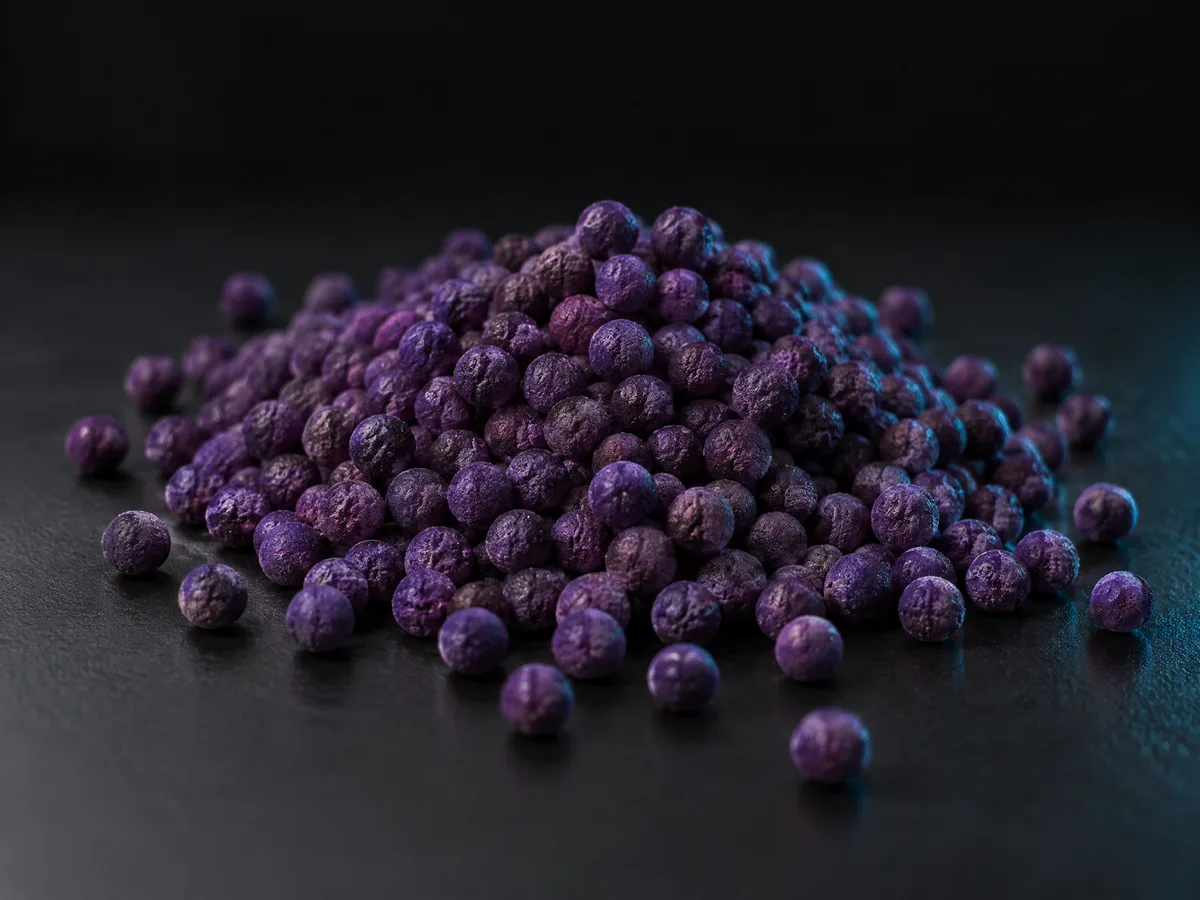
SL · calcium hydroxide / sodium hydroxide granules · colour indicating · loose fill by the kg
CO₂ and acidic trace gases are not removed by filters or classic adsorbents. Soda lime binds them chemically: the alkaline granules react with CO₂ and acid gases and turn them into solid salts. A colour change shows when the charge is exhausted.
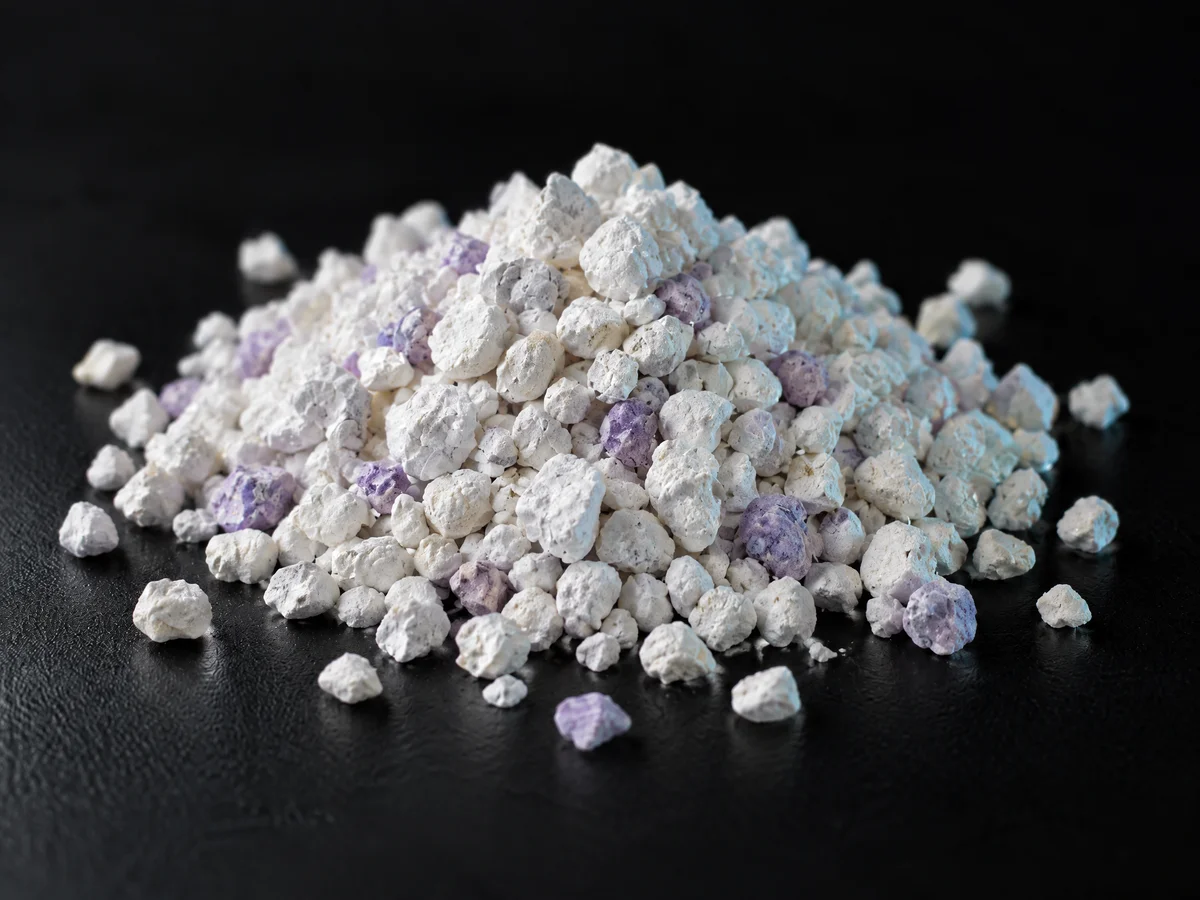
Removes
CO₂ (main use) and acidic gases such as H₂S, SO₂, HCl, HF and Cl₂ by chemisorption.
Info
Consumed, not regenerable. Needs a little moisture to react; colour change white → violet.
Typical problems
- CO₂ in carrier, purge or calibration gas falsifies measurements
- Acidic traces (HCl, SO₂, H₂S) corrode instruments and downstream equipment
- CO₂ build-up in closed gas loops or recirculated gas
Benefits
- Removes CO₂, which activated carbon and silica gel do not
- Visible colour indicator – change-out without guesswork
- Works at ambient temperature and low pressure drop
- Simple loose fill in the refillable adsorber housing
How it works
Soda lime is mainly calcium hydroxide with a small share of sodium hydroxide. CO₂ dissolves in the thin moisture film on the granule and reacts to carbonate; acidic gases react to the corresponding salts. The reaction releases water and heat. Unlike adsorption the binding is irreversible – the medium is used up and replaced. The indicator dye changes colour as the alkalinity is consumed.
Example process train
CO₂-free carrier / purge gas
Example: nitrogen or air for analysers where CO₂ must be removed.
1 · Coalescing filter
RF-C element, grade HE (99.99 % @ 0.01 µm)
Removes liquid water and oil aerosol so the granules do not clog
2 · Soda lime absorber
Refillable adsorber housing with SL fill
Binds CO₂ and acidic traces chemically
3 · Dryer (if needed)
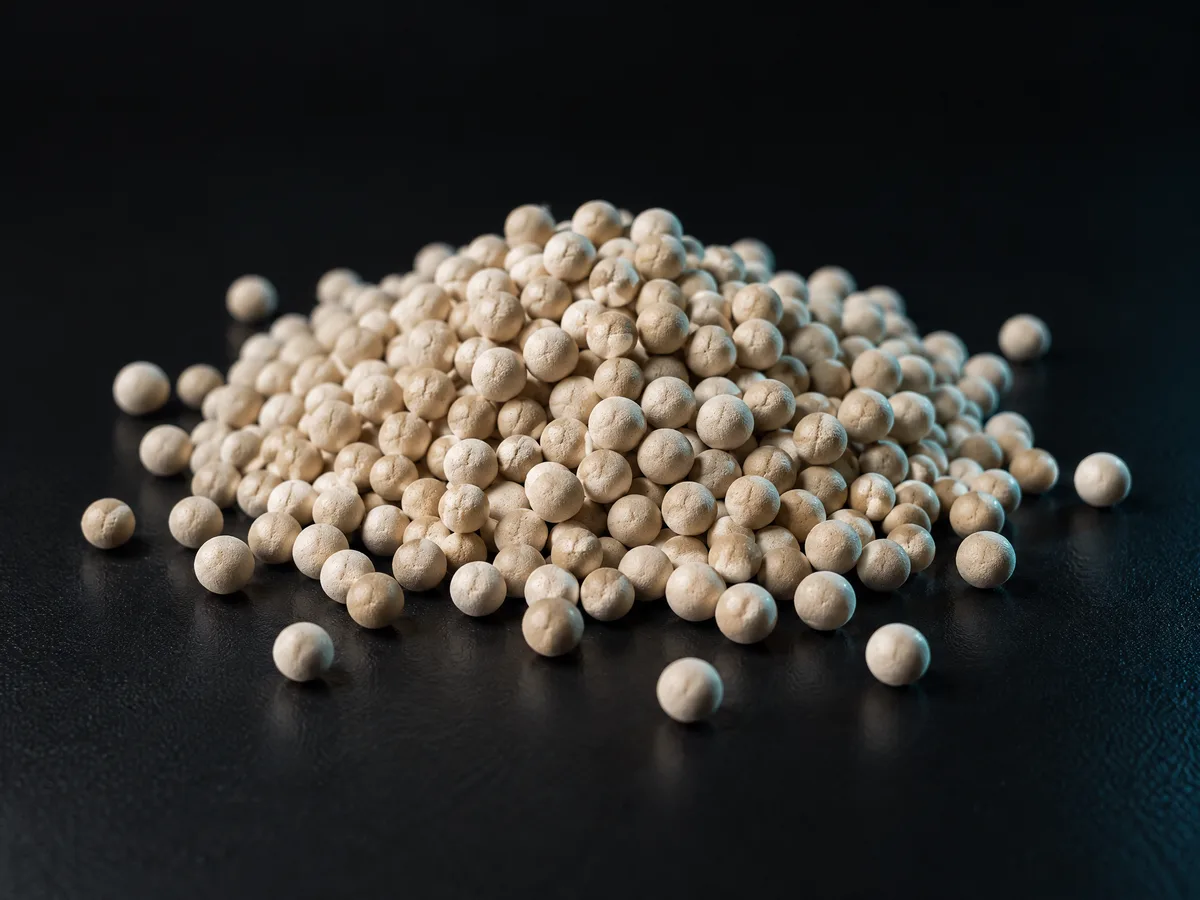
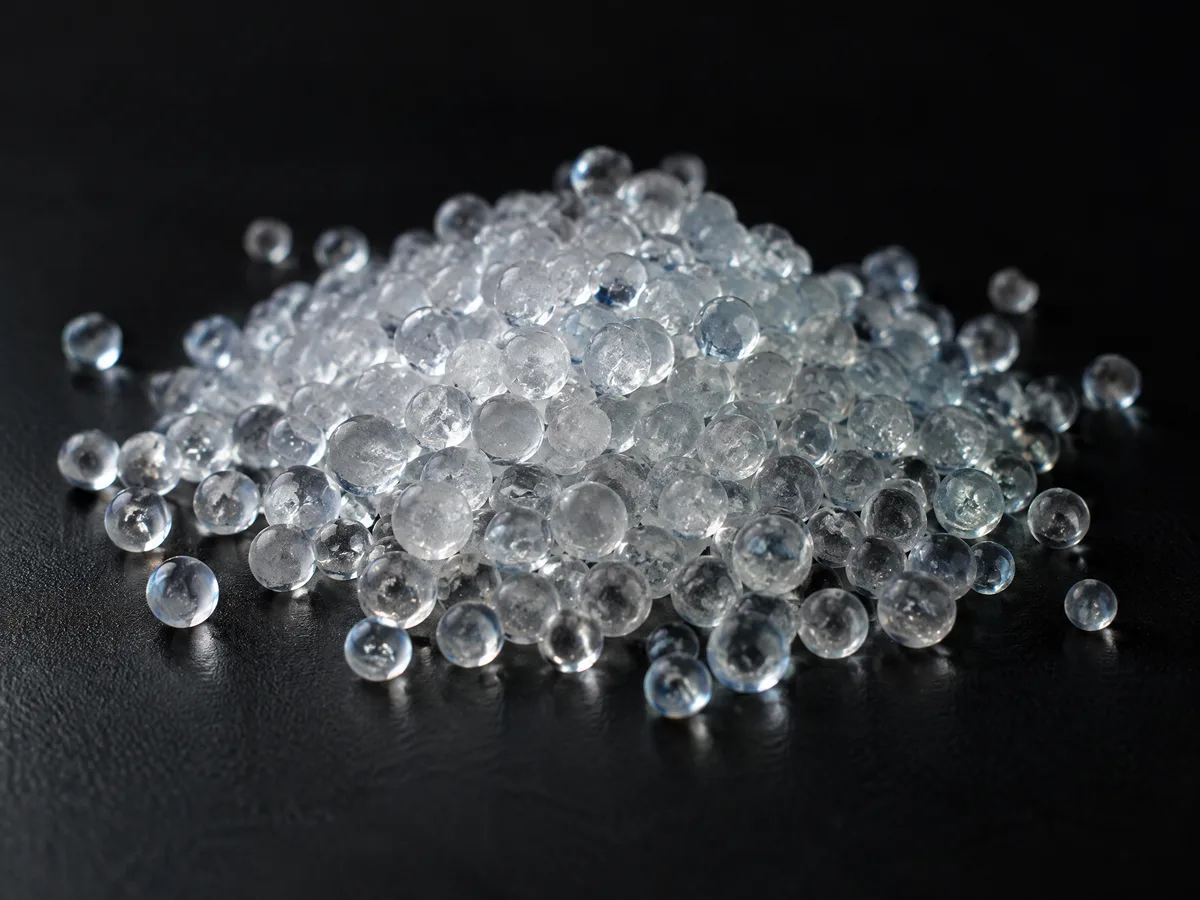
Adsorber with molecular sieve 3A/4A or silica gel
Soda lime releases water – dry afterwards if a low dew point is required
4 · Particulate after-filter
RF-P element
Retains dust from the granule bed
Limits & notes
- Not regenerable – replace when the colour has changed
- Very dry gas reduces the reaction rate and capacity
- Releases water and heat – plan a dryer downstream if required
- Keep the drum closed; the medium also absorbs CO₂ from ambient air
- Suitability for the specific gas and concentration on request
Service life depends on load and operating data – figures on request are estimates.
Which medium fits your gas?
Send us gas, flow, pressure, temperature and the contaminant to remove – we propose housing, fill and pre-/after-filters.