Biogas upgrading is one of the most promising pathways to renewable energy — converting the methane-rich output of anaerobic digestion into biomethane that can replace fossil natural gas in the grid, in vehicles, and in industrial processes. But between the digester and the pipeline lies a demanding filtration challenge. Contaminants that are harmless in a landfill or farm setting become serious problems in upgrading equipment, membranes, and downstream infrastructure. Getting the filtration train right is not optional — it is the difference between a plant that runs reliably and one that suffers constant downtime.
From Waste to Biomethane: The Upgrading Process
Raw biogas from anaerobic digestion typically contains 50–70% methane (CH₄), 30–45% carbon dioxide (CO₂), and a cocktail of trace contaminants: hydrogen sulphide (H₂S), water vapour, siloxanes, ammonia, and particulate matter from the digester. Before this gas can be upgraded to biomethane quality (≥ 96% CH₄, meeting EN 16723-1), the CO₂ must be removed and the contaminants must be reduced to levels that protect the upgrading technology itself.
The three dominant upgrading technologies each have specific sensitivity to contaminants:
- Water scrubbing — uses pressurised water to absorb CO₂ and H₂S. Siloxanes and oils foul the packing and pumps.
- Chemical scrubbing (amine) — amine solvents degrade rapidly in the presence of H₂S, oxygen, and particulates.
- Membrane separation — polymer membranes are irreversibly damaged by liquid water, oil aerosols, and siloxanes.
Why Filtration Is the Foundation of Reliable Upgrading
A well-designed biogas upgrading filtration train addresses three distinct contamination categories in sequence. Each stage must be matched to the contaminant load and the sensitivity of the downstream process. Skipping or undersizing any stage creates a cascade of problems that are expensive to diagnose and even more expensive to fix.
Stage 1 — Catchpot: Bulk Liquid Removal
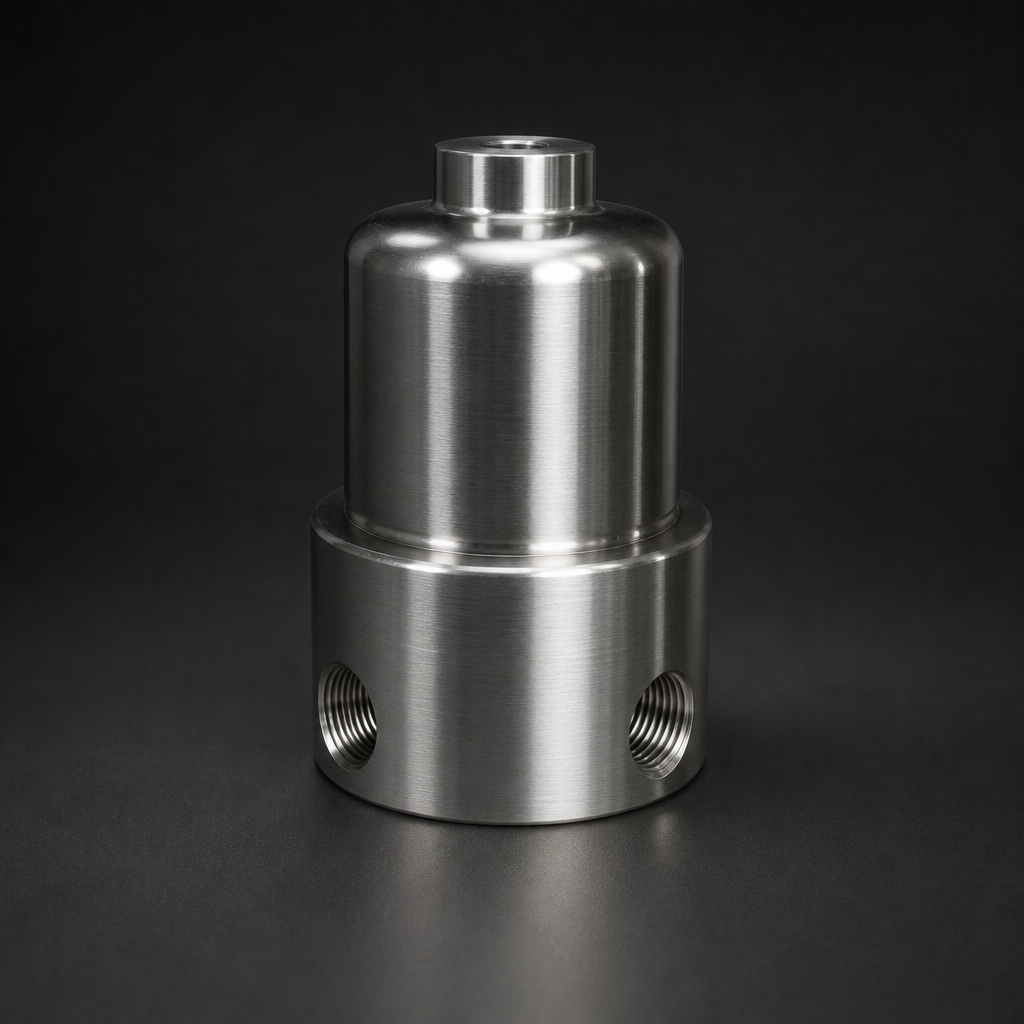
Raw biogas leaving the digester is saturated with water vapour and often carries entrained liquid droplets, foam, and coarse particulate. The first stage is a catchpot or knock-out vessel — a simple gravity separator that removes bulk liquid before the gas enters any fine filtration equipment. Without this stage, coalescing filter elements become saturated within hours, dramatically shortening service life and increasing operating costs.
The catchpot should be sized for the peak gas flow rate with a generous safety margin. A manual or automatic drain is essential; an unmonitored catchpot that fills up defeats its own purpose. For biogas applications, the vessel material should be compatible with H₂S — 316L stainless steel is the standard choice.
Need help selecting the right filter for your biogas upgrading plant?
Stage 2 — Coalescing Filtration: Aerosol and Droplet Removal
After bulk liquid removal, the gas still carries fine aerosols — sub-micron oil droplets from compressor lubrication, water mist, and biological aerosols from the digester. These are invisible to the eye but devastating to membrane upgrading units and amine scrubbers. Coalescing filtration is the solution.
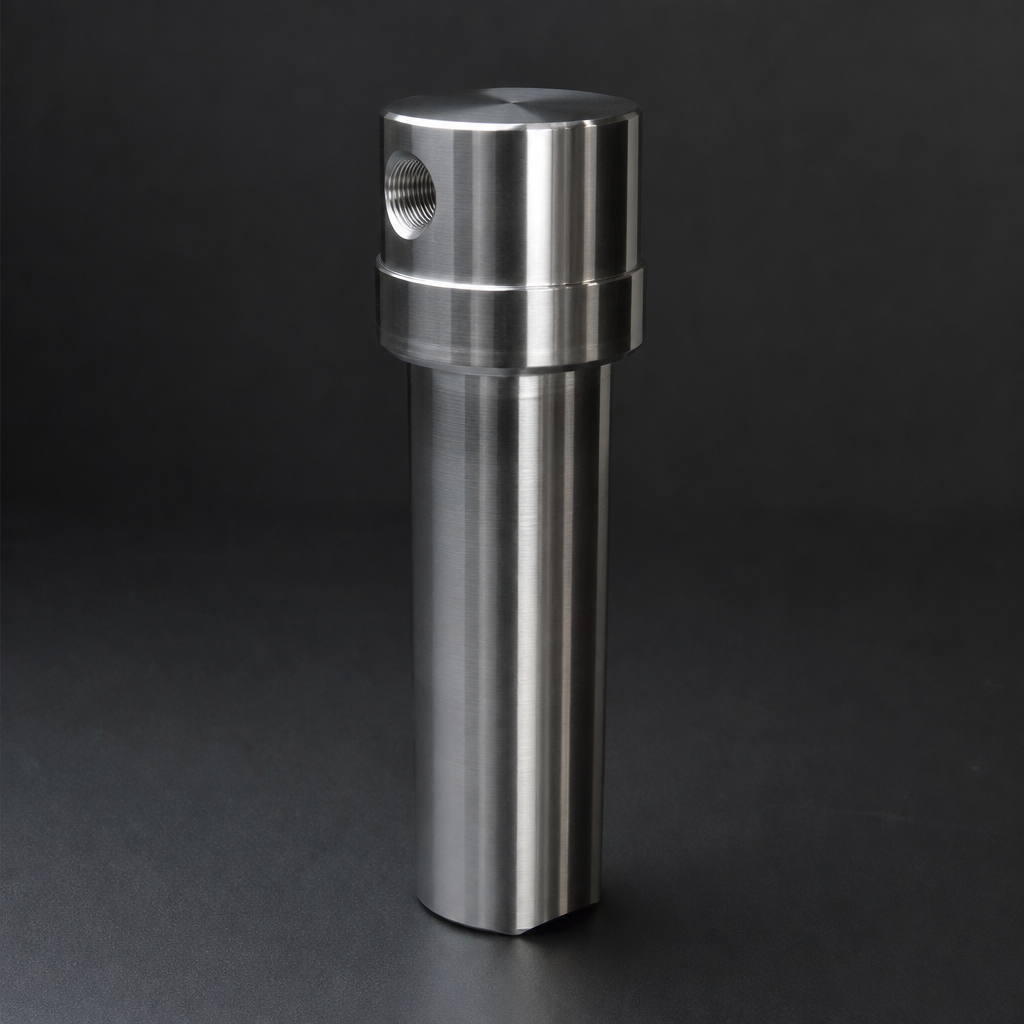
RF-C series coalescing filter elements use borosilicate glass microfibre media to capture aerosols down to 0.1 µm with 99.99% efficiency. The coalesced liquid drains by gravity to the element sump and is removed via the housing drain. For biogas upgrading, the RF-C elements are housed in RF-H series filter housings — typically the RF-H-150 (100 bar, 316L stainless steel) for compact skid installations, or larger RF-H-310 to RF-H-395 aluminium housings for high-flow applications at lower pressures.
Use our free Engineering Tool to get a filtration recommendation for your specific application in under 2 minutes.
Stage 3 — Activated Carbon Adsorption: Chemical Vapour Removal
The third stage targets chemical vapours that coalescing filtration cannot remove: siloxanes, H₂S (at trace levels after upstream H₂S removal), residual compressor oil vapour, and other volatile organic compounds (VOCs). Activated carbon adsorbers work by physical adsorption — contaminant molecules bind to the enormous internal surface area of the carbon granules (typically 800–1,200 m²/g).
R+F FilterElements offers the RF-AC series activated carbon adsorber elements, available in standard sizes to fit RF-H series housings. The RF-AC elements reduce residual oil vapour to below 0.003 mg/m³ — meeting ISO 8573-1 Class 1 for oil content. For siloxane removal, molecular sieve variants are available. The inline adsorbers guide covers element selection and change-out intervals in detail.
For point-of-use protection — for example, immediately upstream of a gas analyser or a membrane module inlet — the RF-DIL disposable inline filters provide a compact, low-cost final barrier against particulate carry-over from the adsorber bed itself.
Comparing Filtration Requirements by Upgrading Technology
| Upgrading Technology | Liquid Aerosol Sensitivity | Siloxane Sensitivity | Recommended Filtration |
|---|---|---|---|
| Water scrubbing | Medium | Medium | Catchpot + RF-C coalescing |
| Amine scrubbing | High | High | Catchpot + RF-C + RF-AC |
| Membrane separation | Critical | Critical | Catchpot + RF-C + RF-AC + RF-DIL |
| PSA (pressure swing adsorption) | High | Medium | Catchpot + RF-C + RF-AC |
- Chemical scrubbing (amine)
- A well-designed biogas upgrading filtration train addresses three distinct contamination categories in sequence.
- Raw biogas leaving the digester is saturated with water vapour and often carries entrained liquid droplets, foam, and coarse particulate.
- After bulk liquid removal, the gas still carries fine aerosols — sub-micron oil droplets from compressor lubrication, water mist, and biological aerosols from the digester.
The Complete R+F Filtration Train for Biogas Upgrading
R+F FilterElements supplies the complete filtration train for biogas upgrading skids — from the catchpot drain valve to the final point-of-use inline filter. The process gas filter range covers the stainless steel housings required for H₂S-containing biogas, while the RF-C and RF-AC elements are available in all standard sizes for rapid on-site replacement.
Key products for a typical biogas upgrading filtration train:
- RF-C series elements — coalescing, 0.1 µm, 99.99% efficiency, borosilicate glass microfibre
- RF-AC series elements — activated carbon adsorption, residual oil < 0.003 mg/m³
- RF-H-150 housing — 100 bar, 316L stainless steel, compact process gas filter for skid integration
- RF-DIL inline filters — disposable point-of-use particulate protection
All elements are available with FKM/Viton seals for H₂S compatibility, and K-type (sour gas) variants of the RF-C elements are available for high H₂S concentrations. For further reading on related filtration topics, see our guides on coalescing vs particulate filter elements and hydrogen electrolysis filtration.
Related Reading
- Coalescing vs Particulate Filter Elements — Which Do You Need?
- Inline Adsorbers: Activated Carbon and Molecular Sieve Selection Guide
- Filtration for Hydrogen Electrolysis — Protecting Your Electrolyser
Try our Engineering Sizing Tool → or discuss your requirements with our team.