Supercritical CO₂ (scCO₂) extraction has become the gold standard for producing high-purity botanical oils — from cannabis terpenes and CBD isolates to rosemary antioxidants and hops extracts. The process is clean, solvent-free, and tunable. But it operates at pressures between 74 and 300 bar and temperatures from 31 °C to well above 60 °C, placing extraordinary demands on every component in the fluid path — including the filtration system.
If your extraction system is producing cloudy oil, suffering from premature pump wear, or failing regulatory audits for food-grade compliance, the root cause is almost always inadequate filtration. This guide explains exactly what scCO₂ extraction demands from a filter housing and element, and which R+F FilterElements products are engineered to meet those demands.
Why Filtration Is Critical in scCO₂ Extraction
A typical botanical extraction loop circulates CO₂ through a series of stages: compression, pre-heating, extraction vessel, separation vessel, and CO₂ recovery. Contamination can enter at multiple points:
- Compressor carry-over: High-pressure reciprocating or diaphragm compressors introduce lubricant aerosols and metallic wear particles into the CO₂ stream.
- Plant material fines: Botanical feedstock releases sub-micron particles that pass through the extraction basket and enter the downstream circuit.
- Moisture ingress: Water in the CO₂ feed can form carbonic acid (H₂CO₃), corroding stainless steel components and contaminating the final extract.
- Seal degradation: Incompatible elastomers swell or leach plasticisers into the product stream — a critical failure mode in food and pharmaceutical applications.
Filtration must address all four contamination vectors simultaneously, at pressures that would destroy a standard compressed-air filter housing within minutes.
Pressure Ratings: Why Standard Filters Cannot Be Used
Most industrial compressed-air filter housings are rated to 16–17 bar. Supercritical CO₂ extraction operates at 74–300 bar — up to 18× higher. Using an under-rated housing is not just a performance issue; it is a catastrophic safety risk. The R+F process gas filter range is specifically designed for these conditions.
Recommended Filter Housings for scCO₂ Applications
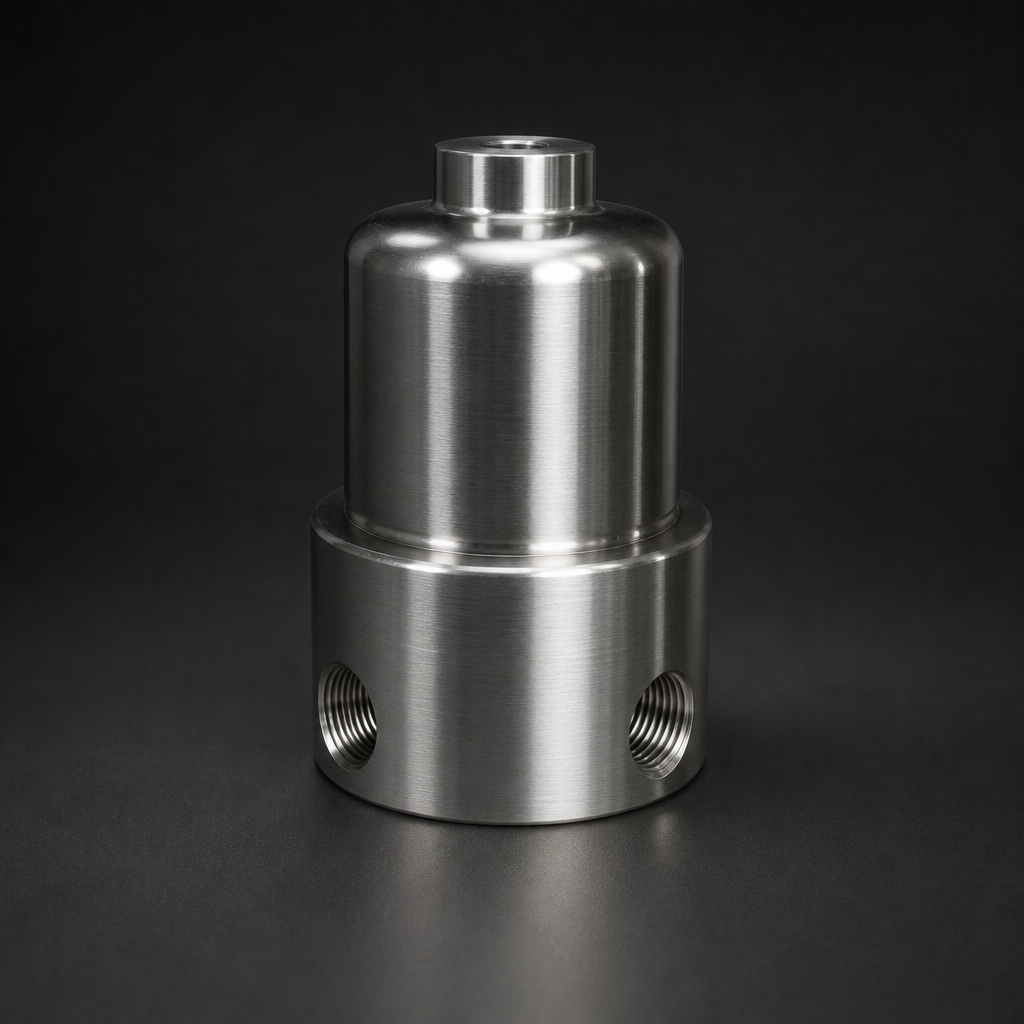
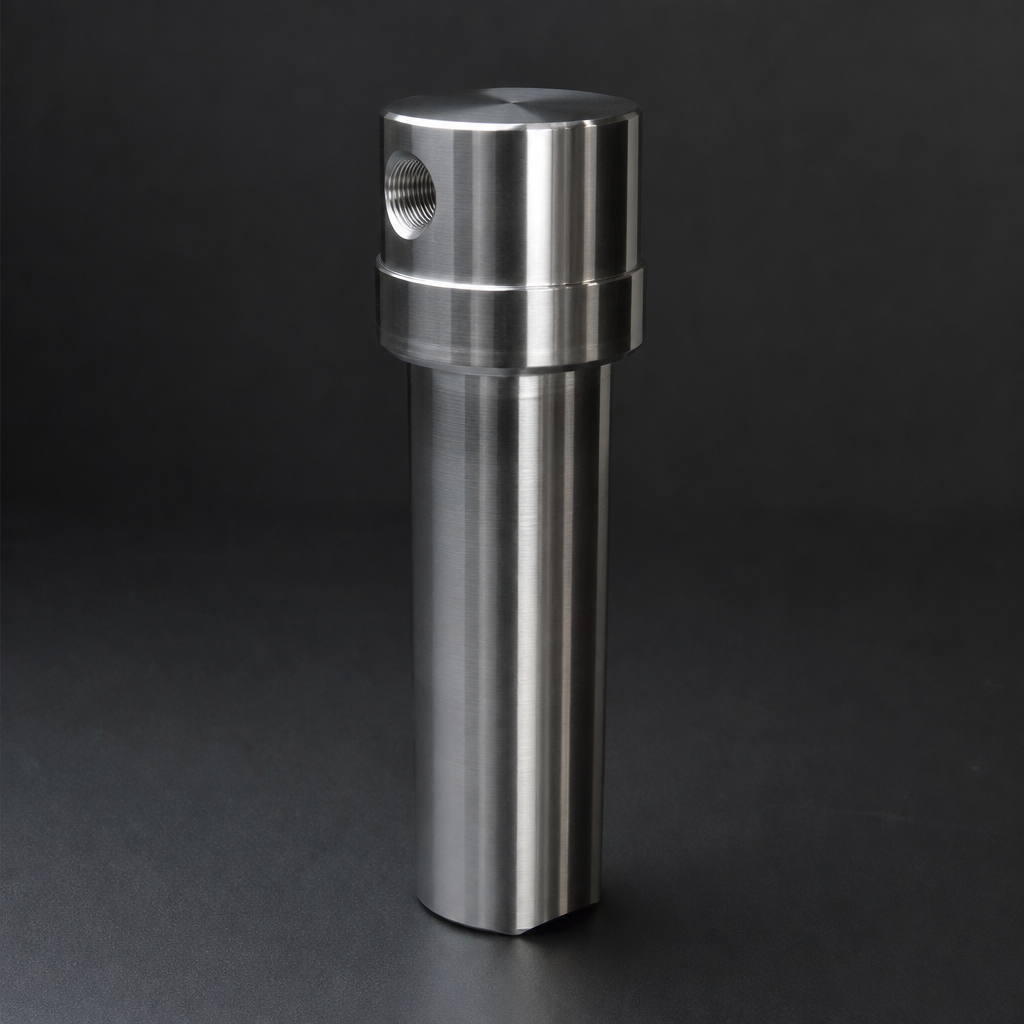
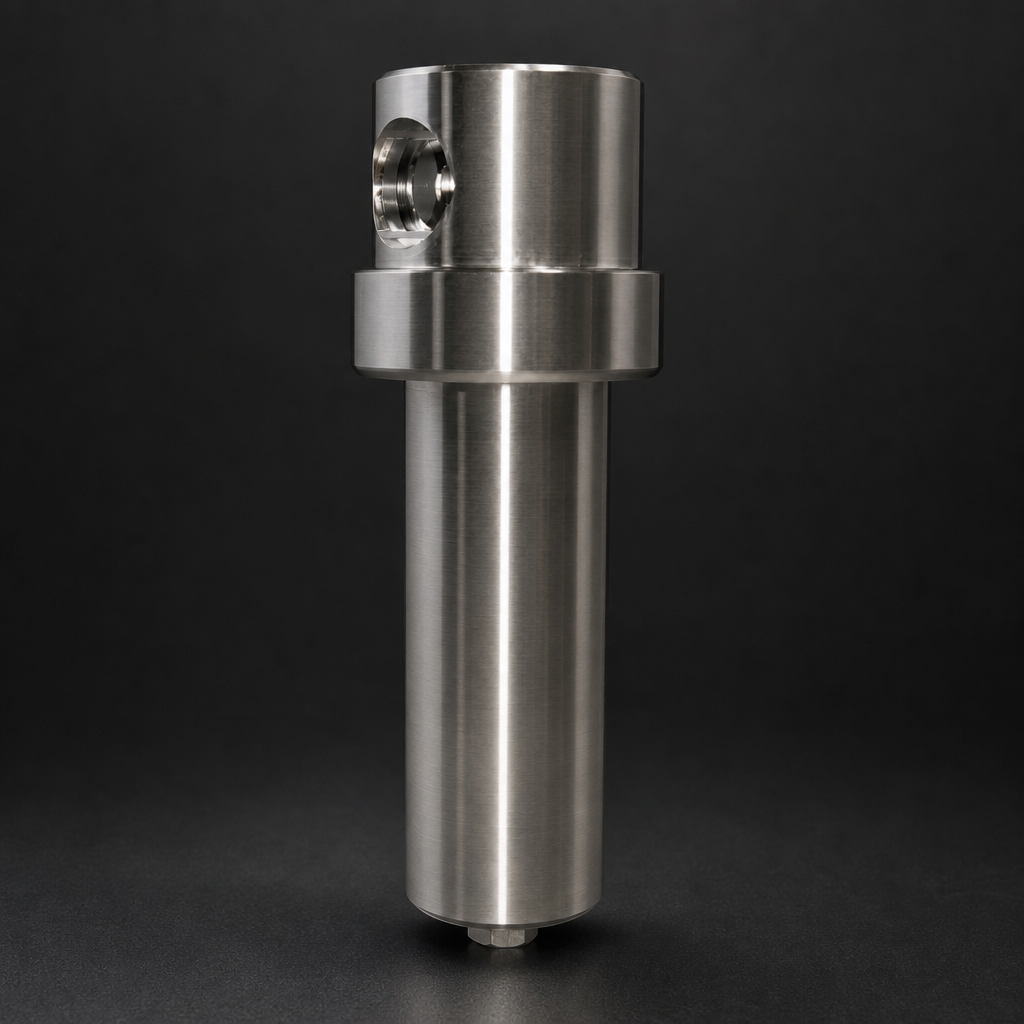
R+F FilterElements offers a range of 316L stainless steel process gas housings rated for the pressures encountered in botanical extraction. The correct choice depends on your system's operating pressure and flow rate.
| Housing | Max. Pressure | Material | Seal Options | Typical Use |
|---|---|---|---|---|
| RF-H-150 | 100 bar | 316L SS | PTFE, FKM | Pre-extraction CO₂ polishing, sub-critical systems |
| RF-H-152 | 200 bar | 316L SS | PTFE, FKM | Main extraction loop, compressor outlet protection |
| RF-H-160 | 250 bar | 316L SS | PTFE, FKM, EPDM | High-pressure fractional extraction, dense-phase CO₂ |
All three housings are available from R+F FilterElements with PTFE or FKM/Viton seals — both FDA-compliant materials suitable for food and pharmaceutical contact. PTFE seals are preferred for scCO₂ because they are chemically inert to CO₂ at all operating temperatures and pressures, and they do not swell or leach extractables into the product stream.
Post-extraction fines filter (RF-H-150 + RF-P 1 µm):
Choosing the Right Filter Element
The filter element is the heart of the filtration system. For scCO₂ botanical extraction, two element types are typically required in series:
1. Coalescing Elements (RF-C Series)
Compressor lubricant carry-over is the primary contamination risk in any high-pressure CO₂ system. RF-C coalescing elements use borosilicate glass microfibre media to capture aerosol droplets as small as 0.1 µm with 99.99% efficiency. The coalesced liquid drains to the sump and is removed via an automatic drain — keeping the CO₂ stream oil-free without interrupting the extraction cycle.
For scCO₂ applications, specify the S-type RF-C element (rated to 200 °C) to handle the elevated temperatures in the compressor outlet stage. Standard elements are rated to 100 °C and are suitable for the cooler separation and recovery stages.
2. Particulate Elements (RF-P Series)
Botanical fines — sub-micron plant particles that pass through the extraction basket — must be removed before the CO₂ re-enters the compressor. RF-P particulate elements provide 99.99% efficiency at ≥ 0.3 µm, protecting compressor valves and pistons from abrasive wear. A 1 µm or 3 µm rated element is typically installed as a pre-filter upstream of the coalescer to extend element life.
Use our free Engineering Tool to get a filtration recommendation for your specific application in under 2 minutes.
Fractional Extraction and Multi-Stage Filtration
Advanced botanical extraction systems use fractional separation — running the extraction at different pressures and temperatures to selectively isolate terpenes, cannabinoids, waxes, and chlorophylls in separate fractions. Each separation stage requires its own filtration point to prevent cross-contamination between fractions.
A typical multi-stage scCO₂ filtration train for a 10 L/h botanical oil system might include:
- CO₂ feed filter (RF-H-150 + RF-P 3 µm): Removes particulates from the CO₂ supply cylinder before the pump.
- Compressor outlet filter (RF-H-152 + RF-C coalescing): Removes compressor oil aerosols at up to 200 bar.
- Pre-extraction polishing filter (RF-H-152 + RF-P 0.5 µm): Final particulate removal before the extraction vessel.
- Post-extraction fines filter (RF-H-150 + RF-P 1 µm): Captures botanical fines exiting the extraction vessel.
This four-stage approach ensures that neither the compressor nor the final extract is exposed to contamination from any other stage. For guidance on sizing each stage, use the R+F Engineering Sizing Tool or consult the process gas filtration application page.
Food-Grade and Regulatory Compliance
Botanical oil extraction for food, nutraceutical, and pharmaceutical applications is subject to strict regulatory requirements. In the EU, food-contact materials must comply with Regulation (EC) No 1935/2004. In the US, FDA 21 CFR Part 177 governs food-contact polymers.
R+F FilterElements housings and elements for scCO₂ service are available with:
- 316L stainless steel bodies — electropolished internal surfaces, Ra ≤ 0.8 µm, suitable for CIP/SIP cleaning.
- PTFE seals — FDA-compliant, chemically inert, rated to 260 °C.
- FKM/Viton seals — FDA-compliant, rated to 200 °C, excellent CO₂ resistance.
- Material traceability certificates — 3.1 mill certificates for all wetted metallic components.
For pharmaceutical applications requiring GMP compliance, contact R+F FilterElements to discuss documentation packages including material declarations, extraction test reports, and USP Class VI certification for elastomers.
See also our guide to oxygen filtration safety for related considerations when handling reactive process gases, and our overview of coalescing vs particulate filter elements to understand which element type suits each stage of your process.
- Compressor carry-over:
- Most industrial compressed-air filter housings are rated to 16–17 bar.
- R+F FilterElements offers a range of 316L stainless steel process gas housings rated for the pressures encountered in botanical extraction.
- The filter element is the heart of the filtration system.
Installation and Maintenance Considerations
High-pressure filter housings for scCO₂ service require careful installation practice. Key points:
- Orientation: Install coalescing filter housings vertically with the drain at the bottom to allow coalesced liquid to drain by gravity.
- Pressure relief: Always fit a pressure relief valve downstream of each filter housing rated to the housing's maximum allowable working pressure.
- Depressurisation before element change: scCO₂ systems must be fully depressurised and purged with dry nitrogen before opening any housing. Residual liquid CO₂ will flash to gas on pressure release, creating a cold-burn and asphyxiation hazard.
- Element change interval: Monitor differential pressure across each housing. Replace elements when ΔP reaches 0.5 bar (coalescing) or 1.0 bar (particulate) above the clean baseline.
For a full comparison of filter housing options across R+F's process gas range, visit the process gas filter product page.
Related Reading
- Coalescing vs Particulate Filter Elements — Which Do You Need?
- Filtration Requirements for Hydrogen Electrolysis Systems
- ISO 8573-1 Compressed Air Quality Classes Explained
Try our Engineering Sizing Tool → or discuss your requirements with our team.