
Liquid Slugs Reaching the Analyser — Coalescer and Membrane as a Two-Stage Barrier
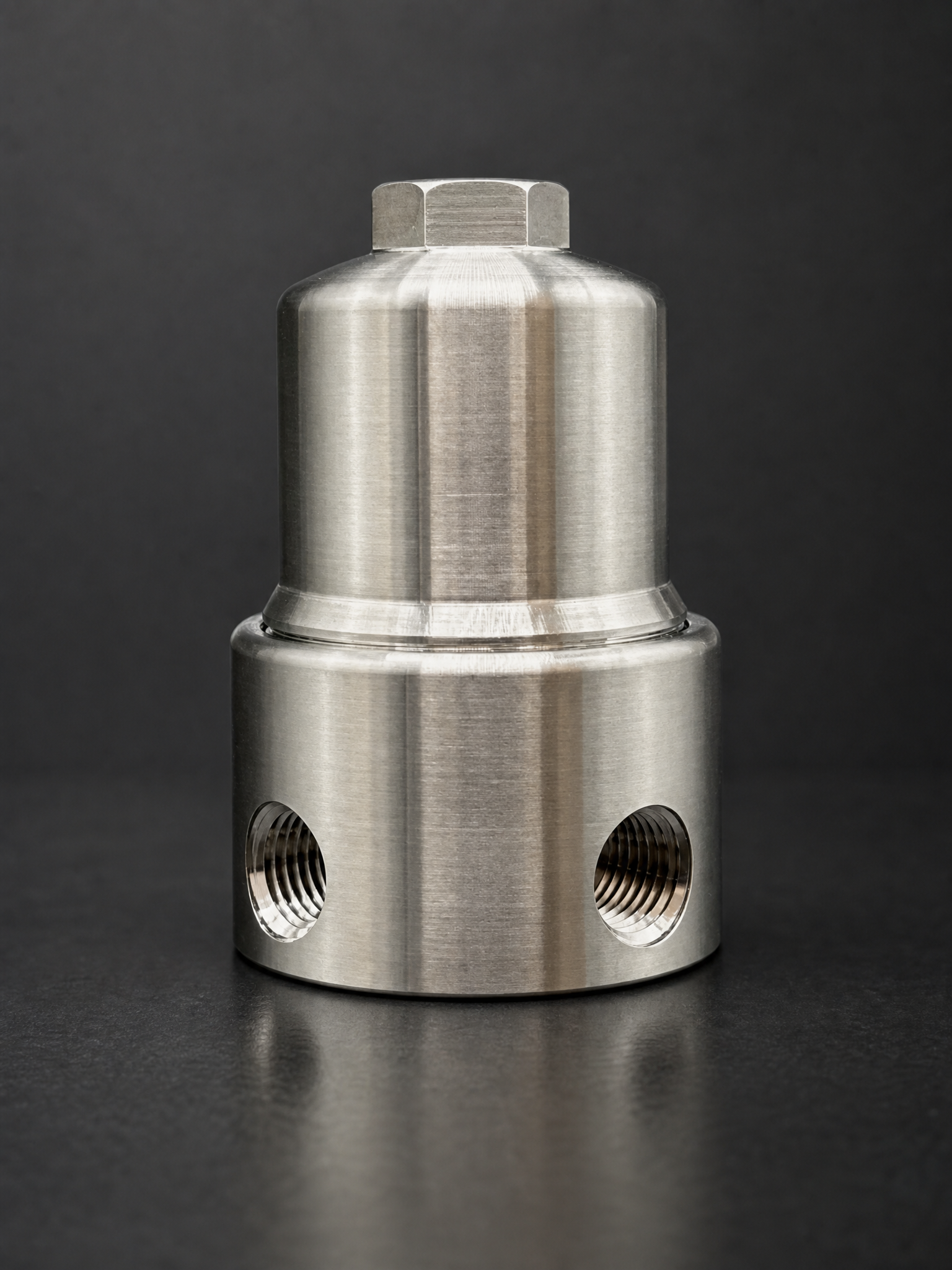
A coalescer removes fine aerosol continuously, but a liquid slug from a process upset can overload it within seconds. Behind the coalescer, a PTFE membrane separator acts as an absolute barrier: gas passes, liquid stays out of the analyser.
Recognise the Symptoms
- GC columns or optical sample cells flooded after a process upset
- Analyser out of service for cleaning after start-up or shut-down of the unit
- Liquid visible in the sample tubing downstream of the coalescer
- Coalescing element soaked through and differential pressure rising sharply
- Repeated failures always after the same operating event
Root Causes
Only one liquid stage
a coalescer is designed for aerosol, not for liquid slugs
Drain blocked, closed or too small, so separated liquid backs up in the housing
Sample tap at the bottom of the process line where liquid collects
Condensation in unheated sections of the sample line
No membrane barrier in front of liquid-sensitive analysers
Diagnostic Checklist
- 1Take the sample from the top or side of the process line, not from the bottom
- 2Use a coalescing housing with drain: RF-H-122 (¼″ NPT, ¼″ drain, 340 bar, 200 °C) with RF-C-12057-HE
- 3Add RF-M-GMS170 behind the coalescer as absolute liquid barrier (150 bar, 100 °C)
- 4Check the drain function regularly and size the drain line for the expected liquid volume
- 5Where bulk water can arrive, put a catch pot such as RF-H-122-CP in front of the coalescer
- 6Replace a soaked coalescing element immediately; otherwise change every 3 months
Find the right filter for this problem
Enter your operating data and let our tools point you to the right element and housing — or send us your details for a tailored recommendation.
Element Finder
RecommendedIdentify the right filter element for your medium and duty in under 60 seconds — recommended starting point.
Find your elementUse Housing Selector
Select the matching housing — material, pressure rating, connections and drain.
Select a housingRequest a Consultation
Prefer a person? Send your operating data and we will recommend the right configuration.
Send enquiryFurther Reading
Describe Your Situation — We Will Find the Right Solution
Every filtration problem has specific root causes that require specific solutions. Send us your operating conditions and we will provide a tailored recommendation.