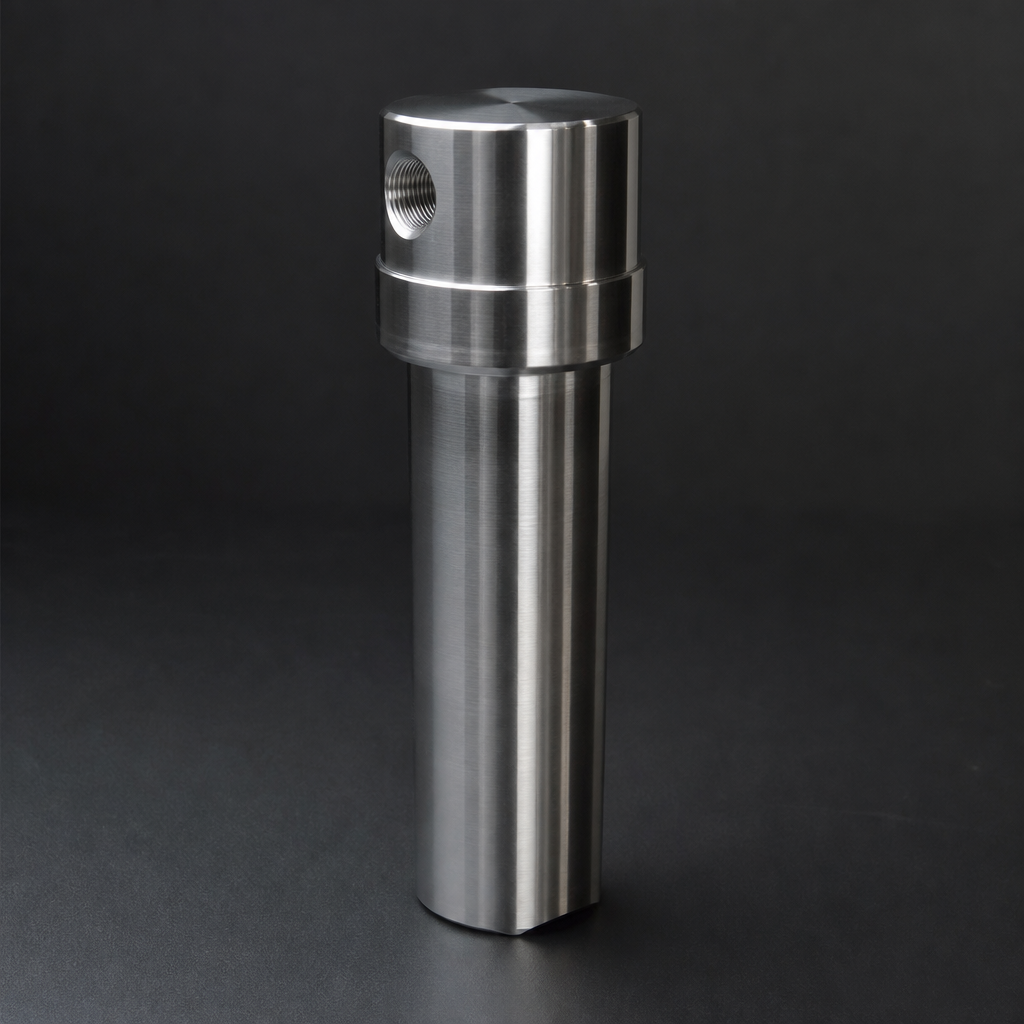
Laboratory hydrogen drying after a PEM electrolyser
A research centre wanted to dry wet hydrogen from a lab PEM electrolyser at a few litres per minute. We estimated the water load first and then built a drying train around it.
Starting point
A research team operates a small PEM electrolyser on a lab bench. The hydrogen leaves the stack saturated with water and must be dried before it reaches the downstream experiment.
Task
Quantify how much water has to be removed, choose a suitable adsorbent and protect the drying stage from liquid water and the experiment from desiccant dust.
How we sized it
- 1
Estimate the water load
Saturated hydrogen at 25 °C carries about 3.1 vol.-% water: roughly 1.4 g/h at 1 L/min and 10 g/h at 7 L/min (estimate). Cooling to 5 °C first reduces this to about 2.8 g/h at 7 L/min.
- 2
Size the adsorbent
Molecular sieve takes up roughly 15–20 % of its own weight in water (guide value). The refill or change interval follows directly from the water load.
- 3
Choose the media
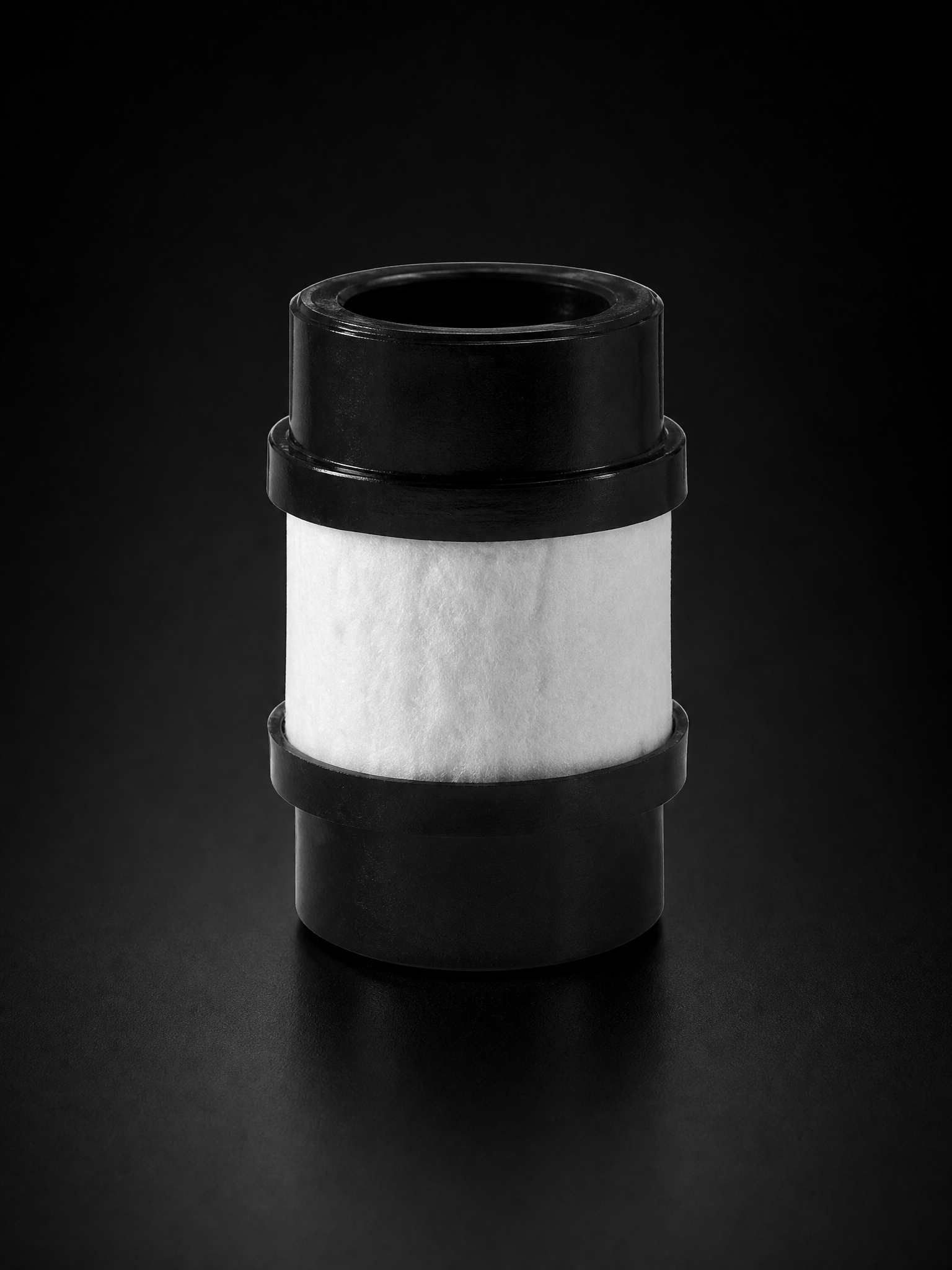
RF-AC-25064-4A is pre-filled with 4A molecular sieve. 3A molecular sieve is available as loose refill media only.
- 4
Build the train
Catch pot RF-H-122-CP for water slugs → coalescer RF-H-122 with RF-C-12057-HE → adsorption stage (sized on request) → dust filter RF-H-126 with RF-P-12057-HE.
Recommended configuration
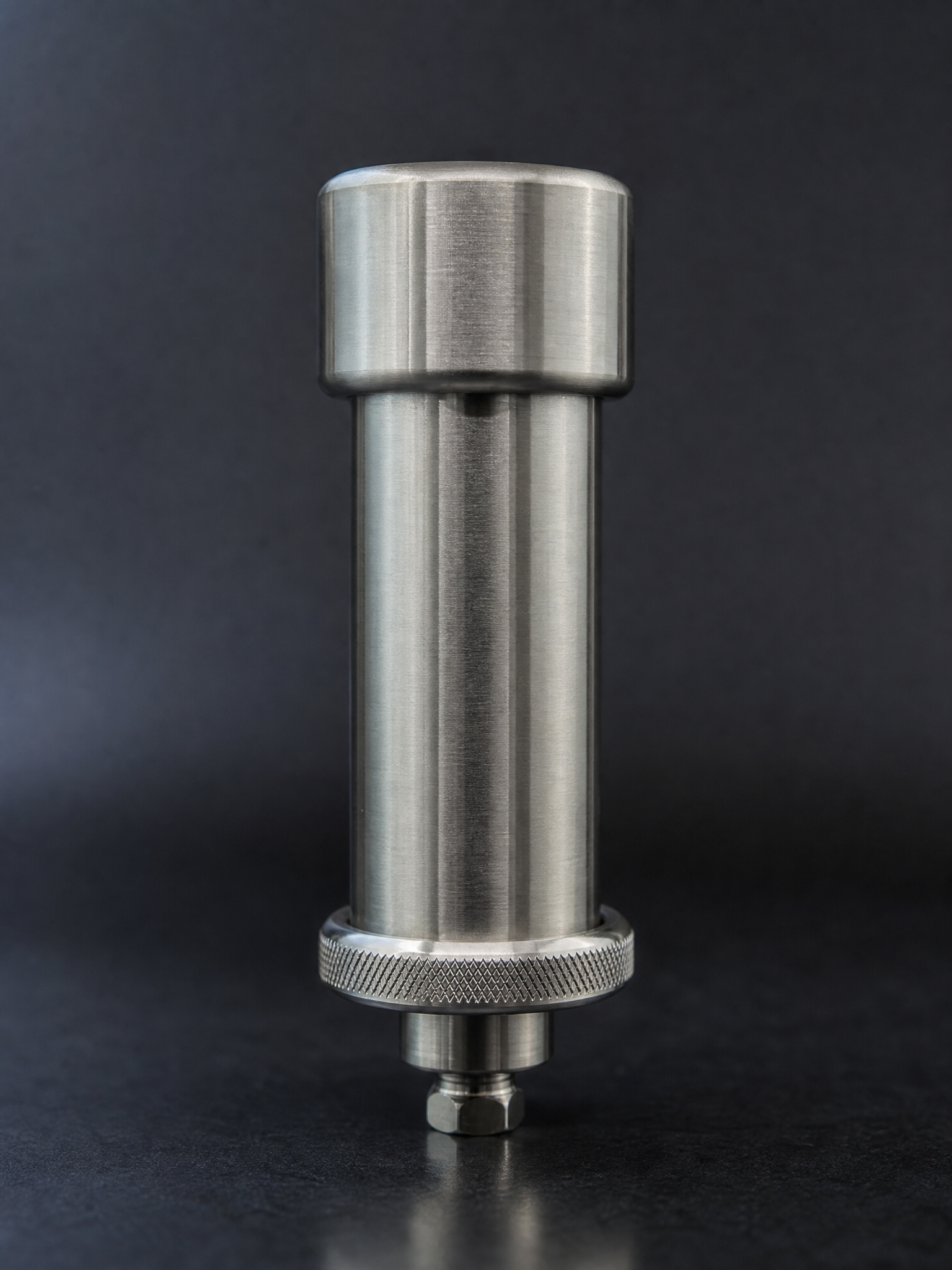
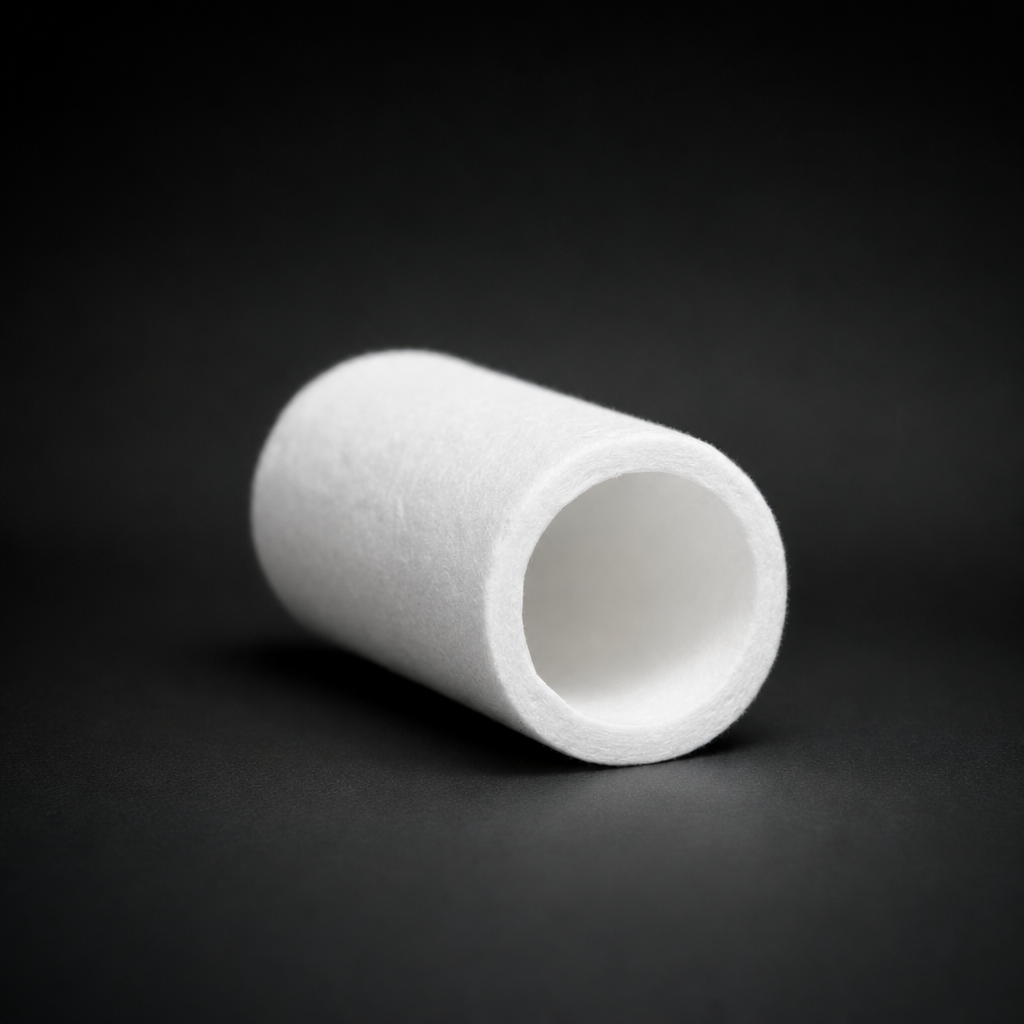
Cartridge pre-filled with 4A molecular sieve; adsorber housing sized on request.
Product details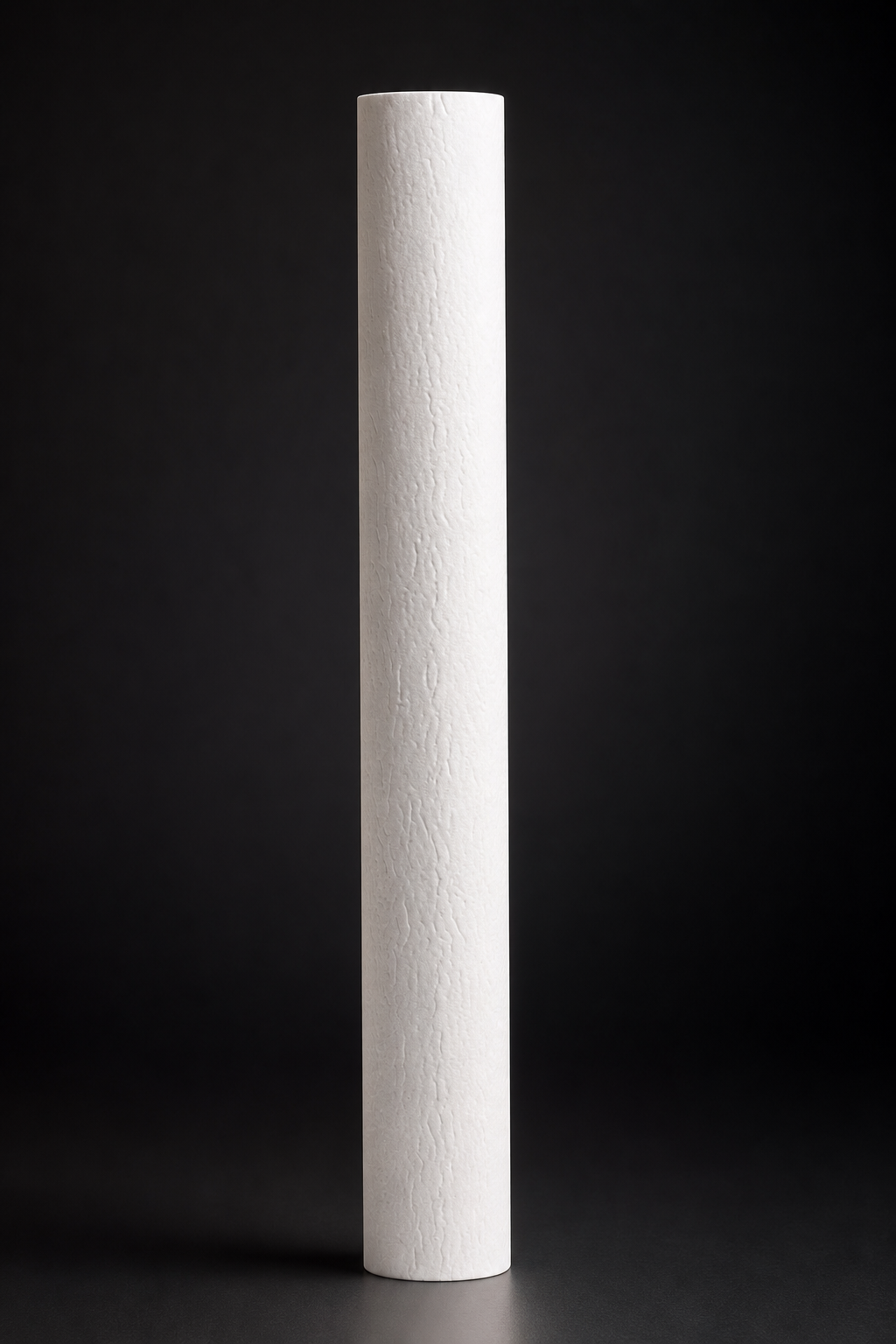
Limits & open points
- Water-load figures are estimates for saturated gas; the adsorber is sized on request with the real operating data.
- Regeneration of molecular sieve (approx. 175–315 °C with dry purge gas) takes place externally, not in the filter housings.
- No dew-point guarantee is given without a sizing based on the actual data.
Result
A transparent water balance and a modular drying train the lab can start with and extend, with refill media instead of disposable dryers.
Read more
Similar application? Send us your operating data.
Medium, pressure, temperature, flow and connection are enough for a first proposal. We answer with a configuration and a quotation.