
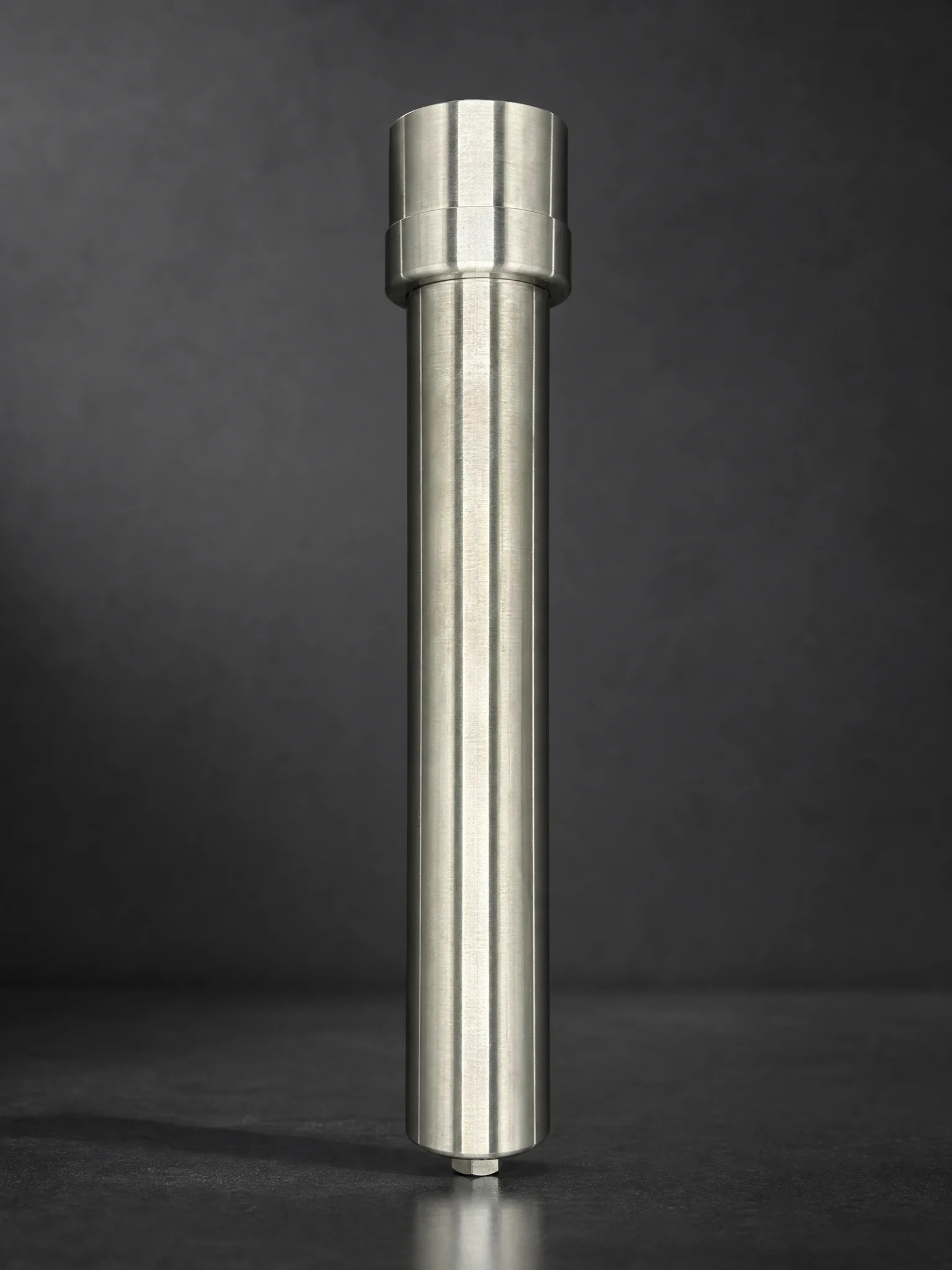
KOH & Electrolyte Aerosol in Hydrogen Gas — Protecting Equipment Downstream of Electrolysers
Alkaline electrolysers produce hydrogen saturated with KOH aerosol — a caustic mist that destroys everything it touches downstream. Removing it before the gas reaches dryers, compressors, or storage is not optional.
Recognise the Symptoms
- White crystalline deposits on pipework, valves, or instrument connections downstream of the electrolyser
- Rapid degradation of desiccant beds in hydrogen dryers — colour change from blue/orange to brown/black
- Corrosion of compressor valves, seals, or internals in hydrogen compression systems
- Analyser drift or sensor contamination in hydrogen purity monitoring equipment
- Premature seal failure in downstream equipment — especially NBR and FKM elastomers
- Blocked capillaries or sample lines in hydrogen quality measurement systems
Root Causes
Electrolyte entrainment
the vigorous gas evolution at electrolyser electrodes generates fine KOH droplets (0.1–10 µm) that are carried in the gas stream
Inadequate gas-liquid separation
the electrolyser's internal separator removes bulk liquid but passes sub-micron aerosol to the gas outlet
No dedicated aerosol filtration
many early electrolyser designs rely on simple knock-out drums that cannot capture sub-micron caustic mist
Pressure fluctuations
load changes and start/stop cycling cause transient increases in electrolyte carryover that overwhelm steady-state separation
Electrolyte concentration
higher KOH concentrations (5–7 M) produce more persistent aerosol than dilute solutions
Diagnostic Checklist
- 1Is there a dedicated coalescing filter between the electrolyser and the first downstream process stage?
- 2What KOH concentration is used in the electrolyte? Higher concentrations produce more aerosol
- 3Inspect downstream pipework for white deposits — this confirms caustic carryover
- 4Check desiccant bed condition — discolouration indicates KOH contamination and reduced drying capacity
- 5What seal materials are used downstream? NBR and standard FKM degrade rapidly in KOH service
- 6Is the electrolyser operating above its design pressure? Higher pressures increase aerosol generation
- 7Are there pressure or load fluctuations that could cause transient carryover spikes?
Find the right filter for this problem
Enter your operating data and let our tools point you to the right element and housing — or send us your details for a tailored recommendation.
Element Finder
RecommendedIdentify the right filter element for your medium and duty in under 60 seconds — recommended starting point.
Find your elementUse Housing Selector
Select the matching housing — material, pressure rating, connections and drain.
Select a housingRequest a Consultation
Prefer a person? Send your operating data and we will recommend the right configuration.
Send enquiryDescribe Your Situation — We Will Find the Right Solution
Every filtration problem has specific root causes that require specific solutions. Send us your operating conditions and we will provide a tailored recommendation.