
Hydrogen & Electrolysis Filtration
Protecting electrolyser stacks, drying systems, and downstream equipment from KOH aerosol, particulate, and moisture — across alkaline, PEM, and AEM electrolysis platforms from 10 kW to 100 MW.
The Challenge
Water electrolysis produces hydrogen and oxygen gas streams that are far from pure. Alkaline electrolysers using KOH electrolyte generate caustic aerosol carryover in both the hydrogen and oxygen gas lines. Even PEM systems, which use solid polymer membranes, produce gas streams saturated with water vapour and carrying fine particulate from membrane degradation.
Left unfiltered, these contaminants corrode downstream pipework, poison catalytic purification stages, damage desiccant beds in dryers, foul compressor valves, and compromise the purity specifications demanded by fuel cell, industrial, and grid-injection applications. KOH aerosol is particularly aggressive — it attacks standard sealing materials, deposits on instrument sensors, and causes rapid degradation of any non-resistant component it contacts.
The filtration challenge is compounded by pressure variations (1–30 bar depending on stack design), the presence of hydrogen (requiring non-sparking, ATEX-rated equipment), and the need for oxygen-compatible materials on the O₂ side where any hydrocarbon contamination creates an ignition risk.
Our Solution
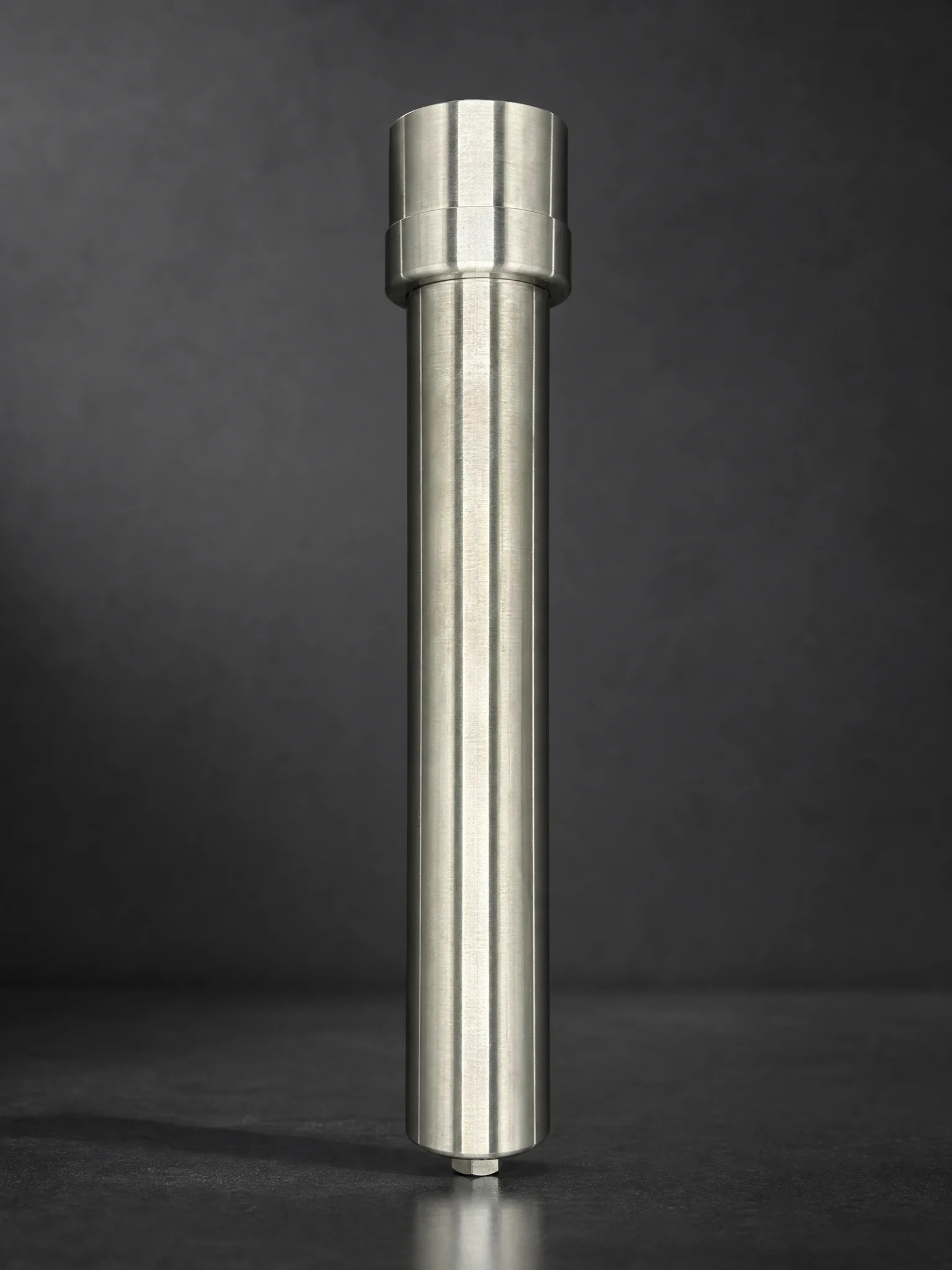
R+F FilterElements provides a complete, multi-stage gas purification concept for both the hydrogen and oxygen lines of water electrolysis systems. Our approach combines demisting, coalescing, and membrane separation to deliver gas purity suitable for PEM fuel cells, pipeline injection, or industrial use — using proven 316L stainless steel housings rated to the operating pressures of modern electrolyser stacks.
Every component is selected for chemical resistance to KOH electrolyte (with Kalrez® or PTFE seals where required), oxygen compatibility on the O₂ side, and ATEX compliance for hydrogen service. From compact pilot systems to multi-megawatt production plants, the filtration architecture scales by paralleling housing trains without redesigning the concept.
KOH Aerosol Removal
Multi-stage demisting and coalescing removes caustic potassium hydroxide aerosol from alkaline electrolyser gas streams, protecting all downstream equipment.
Hydrogen Drying
Membrane separators (GMS series) reduce moisture content to dew points below −40 °C, protecting desiccant beds and meeting pipeline or fuel cell specifications.
Oxygen-Compatible Materials
All O₂-side components use oxygen-cleaned housings with EPDM-O₂ or Kalrez seals — no hydrocarbon lubricants or incompatible polymers.
Scalable Architecture
The same filtration concept works from 10 kW pilot stacks to 100 MW production plants — scale by paralleling housing trains, not by redesigning.
ATEX-Rated for H₂ Service
All housings and elements rated for use in potentially explosive hydrogen atmospheres per ATEX Directive 2014/34/EU.
Proven in Alkaline, PEM & AEM
Field-proven filtration concepts for all three major electrolysis technologies, adapted to each platform's specific contamination profile.
Typical Electrolyser Gas Purification System
A complete hydrogen purification train from electrolyser stack outlet to pipeline or fuel cell specification. The same staged approach applies to the oxygen line with oxygen-compatible materials throughout.
- 1
Stage 1 — Demister/Bubbler: Bulk KOH aerosol and entrained electrolyte removal using an RF-DM demister with DI water wash. Reduces caustic loading by >95% before the gas enters further purification stages.
- 2
Stage 2 — Coalescing filter: Fine aerosol polishing using RF-H-132 housing with RF-C-25064-ME coalescing elements (0.01 µm, 99.99% efficiency). Removes residual KOH mist and sub-micron particulate to protect downstream dryers and compressors.
- 3
Stage 3 — Membrane separator: RF-M-GMS series hollow-fibre membrane modules for gas dehydration. Reduces moisture content from saturated to dew points of −20 °C to −40 °C without heat or moving parts.
- 4
Stage 4 — Final particulate filter: RF-P particulate element as a polishing stage before the gas enters compressors, storage, or fuel cells. Catches any particulate released by upstream stages.
- 5
Monitoring: Differential pressure monitoring across each stage for predictive element replacement. Moisture analysers downstream of the membrane separator verify drying performance.
Recommended Products
Explore the filtration products most commonly specified for this application.
Industries Served
Alkaline Electrolysis
KOH aerosol removal, gas drying, and purification for atmospheric and pressurised alkaline electrolyser stacks up to 30 bar.
PEM Electrolysis
Deionised water carryover removal, membrane particulate capture, and gas drying for proton exchange membrane systems.
AEM Electrolysis
Dilute KOH aerosol management and gas conditioning for anion exchange membrane electrolysers — the newest electrolysis technology.
Power-to-Gas / Grid Injection
Final purification to pipeline specifications (e.g., DVGW G 260/G 262) for hydrogen injection into natural gas networks.
Hydrogen Refuelling (HRS)
Pre-compression filtration ensuring ISO 14687 hydrogen purity for fuel cell electric vehicle refuelling stations.
Industrial Hydrogen Users
Float glass, semiconductor, hydrogenation, and metallurgical processes requiring high-purity hydrogen feed gas.
Green Ammonia & e-Fuels
Hydrogen purification upstream of Haber-Bosch synthesis, methanol production, and Fischer-Tropsch e-fuel processes.
Oxygen Applications
Medical oxygen, ozone generation, and industrial oxygen supply — all requiring oxygen-compatible filtration materials throughout.
Troubleshooting
Common Problems We Solve
Need an application-specific recommendation?
Our engineers can recommend the optimal filtration configuration for your specific process conditions, flow rates, and contaminant profiles.