
Filters in Oxygen Service — Cleanliness, Materials and Ignition Risks on the O₂ Side
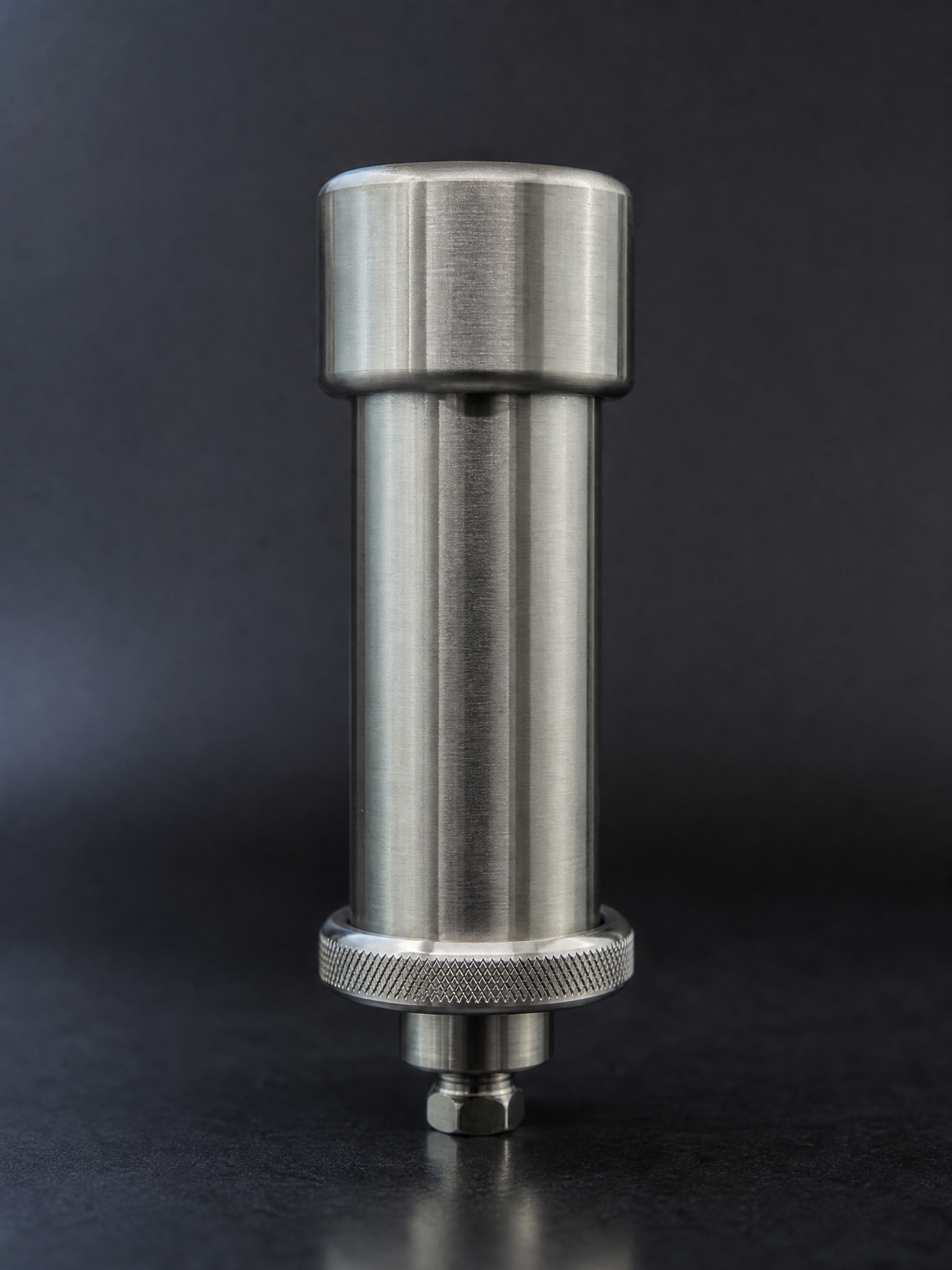
On the oxygen side of an electrolyser — or wherever oxygen or oxygen-enriched gas is filtered — contamination is a safety issue, not just a purity issue. Hydrocarbon residues, unsuitable seals or organic binders can ignite in oxygen. Filters for O₂ service are therefore specified as oxygen-cleaned, grease-free assemblies made of compatible materials.
Recognise the Symptoms
- The O₂ side of an electrolyser or an oxygen line needs a filter, but standard parts are assembled with lubricants
- A specification or safety review requires components cleaned for oxygen service
- Elastomer seals in oxygen showing hardening, discolouration or embrittlement
- Commissioning debris in oxygen lines — a risk at valves and orifices due to particle impact
- Uncertainty whether element media and binders are acceptable in oxygen
Root Causes
Hydrocarbon contamination
oil, grease or assembly lubricant residues can ignite in oxygen, especially under pressure
Unsuitable seal materials
not all elastomers are suitable for oxygen; PTFE is generally preferred
Organic binders in element media
they add combustible material; binder-free media such as sintered stainless steel or PTFE are preferred
Particle impact
fast-moving particles striking valve seats or bends can act as an ignition source; a particle filter upstream of valves and regulators reduces this risk
Cleanliness lost after cleaning
parts that are not sealed and packed after oxygen cleaning are recontaminated on site
Diagnostic Checklist
- 1Order housings and elements explicitly as oxygen-cleaned and packed — not as standard parts cleaned on site
- 2Use 316L housings and PTFE seals; avoid lubricants unless they are approved for oxygen
- 3Choose binder-free element media (sintered stainless steel or PTFE) where possible
- 4What are oxygen pressure, temperature and flow velocity? Higher pressure and velocity increase the ignition risk
- 5Is the filter positioned to catch commissioning debris before valves and regulators?
- 6Are installation and element changes carried out with clean gloves and tools, without recontaminating parts?
- 7Check the oxygen guidelines that apply to your industry (e.g. EIGA, CGA); the final oxygen-safety assessment remains with the plant operator
Find the right filter for this problem
Enter your operating data and let our tools point you to the right element and housing — or send us your details for a tailored recommendation.
Element Finder
RecommendedIdentify the right filter element for your medium and duty in under 60 seconds — recommended starting point.
Find your elementUse Housing Selector
Select the matching housing — material, pressure rating, connections and drain.
Select a housingRequest a Consultation
Prefer a person? Send your operating data and we will recommend the right configuration.
Send enquiryDescribe Your Situation — We Will Find the Right Solution
Every filtration problem has specific root causes that require specific solutions. Send us your operating conditions and we will provide a tailored recommendation.